
Frequently Asked Questions About Chimpanzee Trekking
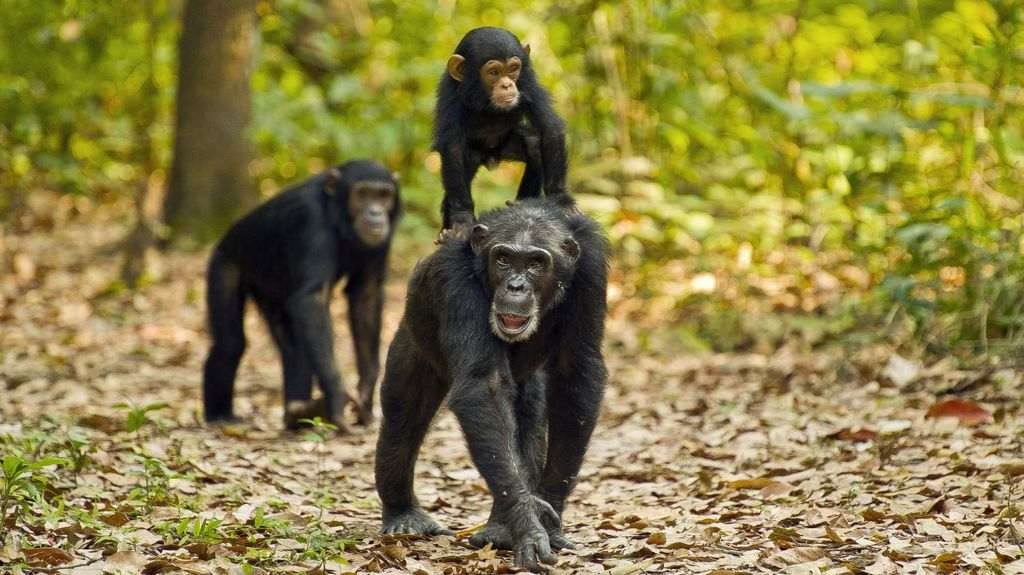
Chimpanzee Trekking FAQs. Chimpanzee trekking is one of the most thrilling wildlife experiences in Africa. Unlike the calm presence of gorillas, chimpanzees are fast, vocal, and full of unpredictable energy. Whether you’re planning to trek in Uganda’s Kibale Forest, Rwanda’s Nyungwe Forest, or Tanzania’s Mahale Mountains, it’s natural to have a few questions. Here are the most commonly asked questions—and answers—about chimpanzee trekking:
-
What is chimpanzee trekking?
Chimpanzee trekking is a guided forest walk that allows you to locate and observe wild chimpanzees in their natural habitat. Unlike gorilla trekking, which often involves staying with one group, chimps move quickly and unpredictably, which makes the experience more active.
-
Where can I do chimpanzee trekking?
The best chimpanzee trekking destinations in East Africa include:
- Kibale Forest National Park (Uganda) – most popular and reliable for sightings.
- Kyambura Gorge (Uganda) – dramatic landscape with a smaller group of chimps.
- Budongo Forest (Uganda) – near Murchison Falls.
- Nyungwe Forest National Park (Rwanda) – high canopy forest with a growing chimp population.
- Mahale Mountains and Gombe Stream (Tanzania) – wild, remote, and home to long-term research.
-
What’s the difference between chimpanzee trekking and habituation?
- Trekking: You track already habituated chimpanzees and spend 1 hour with them once located.
- Habituation experience: You spend up to 4 hours with a chimp group still getting used to human presence. It’s longer, less predictable, and more immersive.
-
Is it guaranteed that I’ll see chimpanzees?
In most locations, especially Kibale Forest, the success rate is over 90%. Chimps are wild and move fast, but experienced trackers usually find them. Still, sightings can’t be 100% guaranteed due to weather and movement patterns.
-
What should I expect during the trek?
You’ll walk through dense forest terrain, often on narrow, muddy trails. The trek can take 30 minutes to 3 hours, depending on where the chimps are. Once you find them, you’ll observe their behavior—feeding, grooming, nesting, or moving through the trees.
-
How fit do I need to be?
You need moderate physical fitness. The hike can involve slopes, humidity, and uneven forest floors. It’s more intense than a gorilla trek, as chimps often move while being tracked.
-
What should I wear for chimp trekking?
- Long pants and long-sleeved shirt (for protection from thorns and insects)
- Hiking boots with good grip
- Rain jacket (the forest is wet year-round)
- Hat and insect repellent
- Gaiters or thick socks (to guard against safari ants)
-
Are there any age restrictions?
Yes. The minimum age for chimpanzee trekking is 12 or 15 years, depending on the country and park. This is for safety and to reduce disease transmission to the animals.
-
Is it safe to trek chimpanzees?
Yes, it’s safe when rules are followed. Guides are trained and experienced. Chimps are not aggressive toward humans unless provoked. Keep a safe distance (about 8 meters), avoid eye contact, and never mimic their calls.
-
Can I take photos during the trek?
Yes, but flash photography is not allowed. Chimps are often on the move, so cameras with a fast shutter speed and zoom lens are best. Bring a waterproof bag or case for your camera gear.
-
When is the best time to go chimp trekking?
Chimpanzees can be tracked year-round. However, dry seasons (June–September and December–February) are more comfortable. During the wet season, trails are muddy, but food is more abundant, and chimps stay closer to the trailheads.
Chimpanzee trekking is loud, fast-paced, and full of life. It’s different from gorilla trekking—not just in terrain, but in rhythm. You’ll hear their calls echo through the trees before you see them. And when you do, it’s an electrifying moment you won’t forget.