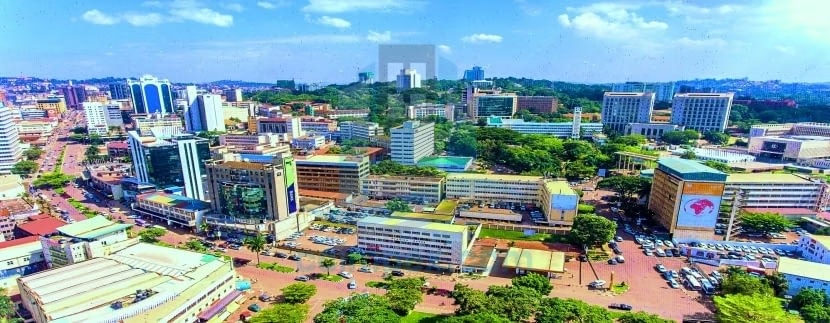

The 7 Hills of Kampala
Exploring the 7 Hills of Kampala: Uganda’s Vibrant Capital
7 hills of Kampala, whivh is Uganda’s vibrant capital, is famously built on seven hills. These hills are not just geographical features; they are deeply intertwined with the city’s history, culture, and development. Each hill tells its own story and adds to the unique character of Kampala. As the city grows and evolves, these hills remain significant landmarks that reflect the city’s past, present, and future.
The 7 Hills of Kampala
-
Nakasero Hill
Nakasero Hill is one of the most well-known and central hills in Kampala. It is home to many of the city’s most important landmarks, including the Uganda Parliament Building and the State House, the residence of Uganda’s president. Nakasero Hill’s elevated position offers stunning panoramic views of Kampala and is also where some of the wealthiest and most influential people in Uganda reside.
Key Attractions on Nakasero Hill:
- Uganda Parliament Building: The political heart of Uganda, where the country’s laws are debated and passed.
- Nakasero Market: A lively and vibrant market offering a variety of fresh produce, local crafts, and spices.
- Kampala Hilltop Views: Nakasero offers some of the best views over Kampala, making it a popular spot for photography.
-
Old Kampala Hill
Old Kampala is a historical hub and one of the original settlements that developed into the city. It is here that the first colonial administrators built their residence. The area also holds the significance of being the location of the famous Gaddafi National Mosque, one of the largest mosques in East Africa.
Key Attractions on Old Kampala Hill:
- Gaddafi National Mosque: A major landmark in Uganda’s Muslim history, offering spectacular views of Kampala from its minarets.
- Uganda National Museum: Located nearby, the museum showcases Uganda’s rich cultural heritage and history.
-
Kololo Hill
Kololo Hill is a residential area that offers a combination of luxury living and scenic views of the city. Historically, Kololo was established as a European settlement during the colonial period, and today, it is one of Kampala’s most upscale areas, with embassies, high-end restaurants, and large homes.
Key Attractions on Kololo Hill:
- Kololo Airstrip: Though no longer operational for commercial flights, the airstrip has historical significance, particularly during Uganda’s independence struggles.
- Golf Courses: Kololo is home to some of Kampala’s premier golf courses, offering an ideal retreat for sports lovers.
-
Mengo Hill
Mengo Hill is historically significant as it is the seat of the Kingdom of Buganda, one of Uganda’s largest ethnic groups. Mengo was the center of Buganda’s political power and is still home to the Buganda Kingdom’s headquarters, where traditional leaders reside and hold court.
Key Attractions on Mengo Hill:
- Kabaka’s Palace: The residence of the King of Buganda, one of the most powerful traditional monarchs in Uganda.
- Kasubi Tombs: A UNESCO World Heritage site, the tombs are the resting place of Buganda’s kings and are a place of great cultural significance.
-
Namirembe Hill
Namirembe Hill is one of the most religious hills in Kampala, home to Namirembe Cathedral, the oldest Anglican church in Uganda. The hill is historically significant as the center of Christian missionary activity in the country. Its location offers magnificent views of the city and its surrounding areas.
Key Attractions on Namirembe Hill:
- Namirembe Cathedral: This iconic Anglican cathedral is a major landmark and a place of worship for many.
- Mengo Hill: View the royal hill and the rest of the city from Namirembe, which is just a stone’s throw away.
-
Rubaga Hill
Rubaga Hill, located to the south of Namirembe, is a key religious and historical site. It is home to Rubaga Cathedral, a Catholic church that serves as the archdiocese for Uganda’s Roman Catholic Church. Rubaga is an important site for both pilgrims and residents of Kampala.
Key Attractions on Rubaga Hill:
- Rubaga Cathedral: One of Kampala’s most famous churches, known for its stunning architecture and historical significance.
- Religious Significance: The hill is significant for the city’s Catholic community and is a focal point for religious gatherings and celebrations.
-
Kampala Hill
Kampala Hill, also known as the city’s original hill, is where the founding of Kampala began. Over time, it has grown to become a major commercial center. Located in the heart of Kampala, the hill is home to a number of businesses, government offices, and vibrant street markets.
Key Attractions on Kampala Hill:
- City Center: Known for its bustling commercial activities, Kampala Hill is a hub for shopping, dining, and cultural experiences.
- Street Markets: The area around Kampala Hill is filled with street vendors offering goods ranging from food to crafts, giving visitors a real taste of Kampala life.
A City Built on History and Culture
The 7 hills of Kampala are more than geographical features—they showcase the city’s rich history, culture, and development. Each hill represents a different aspect of Kampala, from its traditional kingdoms to its colonial past, religious influences, and modern growth. Exploring these hills reveals how the capital has evolved into the vibrant metropolis it is today.
Plan Your Visit to Kampala
Explore the iconic hills and discover the beauty of Uganda’s capital. Visiting for the first time or you have lived in Kampala for years, taking the time to explore the 7 hills will provide a deeper connection to the city’s past and present