
The Rise of Silent Safaris: How Electric Safari Vehicles are Enhancing African Adventures
The Rise of Silent Safaris: How Electric Safari Vehicles are Enhancing African Adventures
Silent safari Africa. Africa’s wild spaces are embracing a quiet revolution. Silent safaris—driven by electric safari vehicles (ESVs)—are changing the way travelers experience nature. No engine roar. No diesel fumes. Just the sounds of the bush, the birds, and the animals.
As more lodges adopt electric vehicles, safaris are becoming greener, quieter, and more immersive.
What is a Silent Safari?
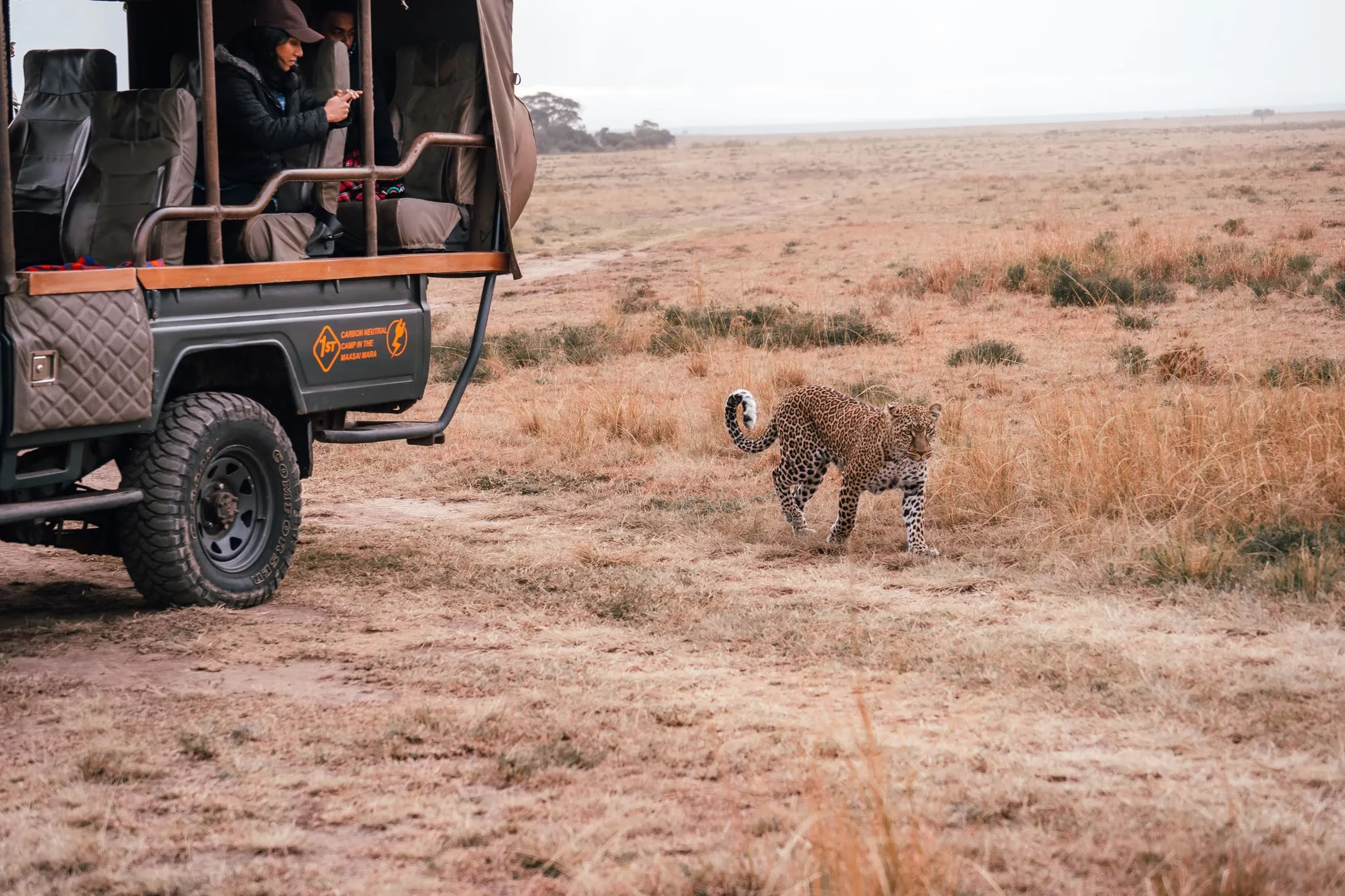
A silent safari uses electric-powered vehicles instead of traditional diesel ones. These vehicles operate almost noiselessly and emit no exhaust. That means a smoother, more peaceful ride—for both guests and wildlife.
They look like standard safari jeeps, but inside, you’ll find battery systems replacing engines and solar charging stations powering the fleet.
Where Are Electric Safari Vehicles Being Used?
The movement is gaining speed across top safari destinations, especially in:
- Kenya – Ol Pejeta Conservancy, Lewa Wildlife Conservancy
- Botswana – Chobe and the Okavango Delta
- South Africa – Kruger private reserves like Sabi Sand and Timbavati
- Namibia – Etosha eco-lodges
- Zambia – Lower Zambezi National Park
Luxury camps like Cheetah Plains (South Africa), Emboo River Camp (Kenya), and Chobe Game Lodge (Botswana) are already leading the charge.
How Electric Vehicles Enhance the Safari Experience
- Closer Animal Encounters
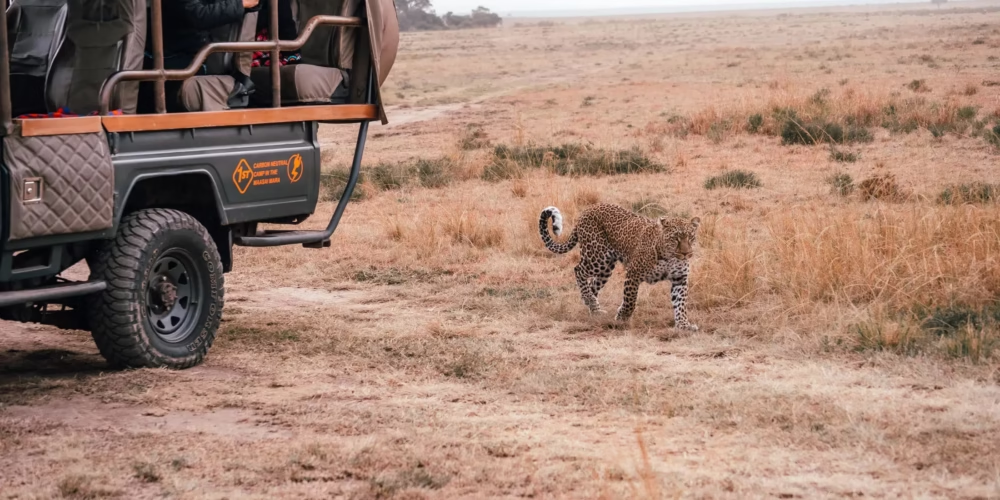
Without engine noise, animals behave more naturally. Leopards stay relaxed. Elephants don’t flinch. Birds remain perched. You can observe wildlife up close without disturbing the moment. - Richer Soundscapes
Guests hear the crunch of hooves, the call of a lion, or the flap of a vulture’s wings. These details are often masked by diesel engines—but now, they come alive. - Smoother Rides
Electric vehicles don’t jolt or rattle as much. The ride is quieter and more comfortable, especially during early morning or nighttime game drives.
Good for the Environment, Great for Conservation
Electric safari vehicles cut carbon emissions, reduce noise pollution, and leave a lighter footprint on delicate ecosystems. Many lodges charge these vehicles using solar power, creating a full-circle sustainability model.
With rising awareness around climate change and conservation, silent safaris match traveler expectations for responsible tourism.
The Future of African Safaris
Tourism operators are beginning to view electric vehicles as the standard, not the exception. More brands are investing in conversions, and manufacturers are now offering custom-designed ESVs for off-road travel.
As infrastructure grows and battery tech improves, silent safaris will likely spread across more parks—from the plains of the Serengeti to the forests of Uganda.
Travelers will choose lodges not only for luxury but also for sustainable innovation.
Plan Your Silent Safari
If you want to experience a silent safari, look for lodges that openly advertise electric game drives or eco-certified operations. Ask about their charging systems, wildlife viewing zones, and conservation efforts. Silent safaris tend to be part of high-end, low-impact travel models—but more mid-range options are emerging.
This is not just a trend—it’s a smarter, more sensitive way to see Africa.