
Rolex in Uganda
Rolex in Uganda
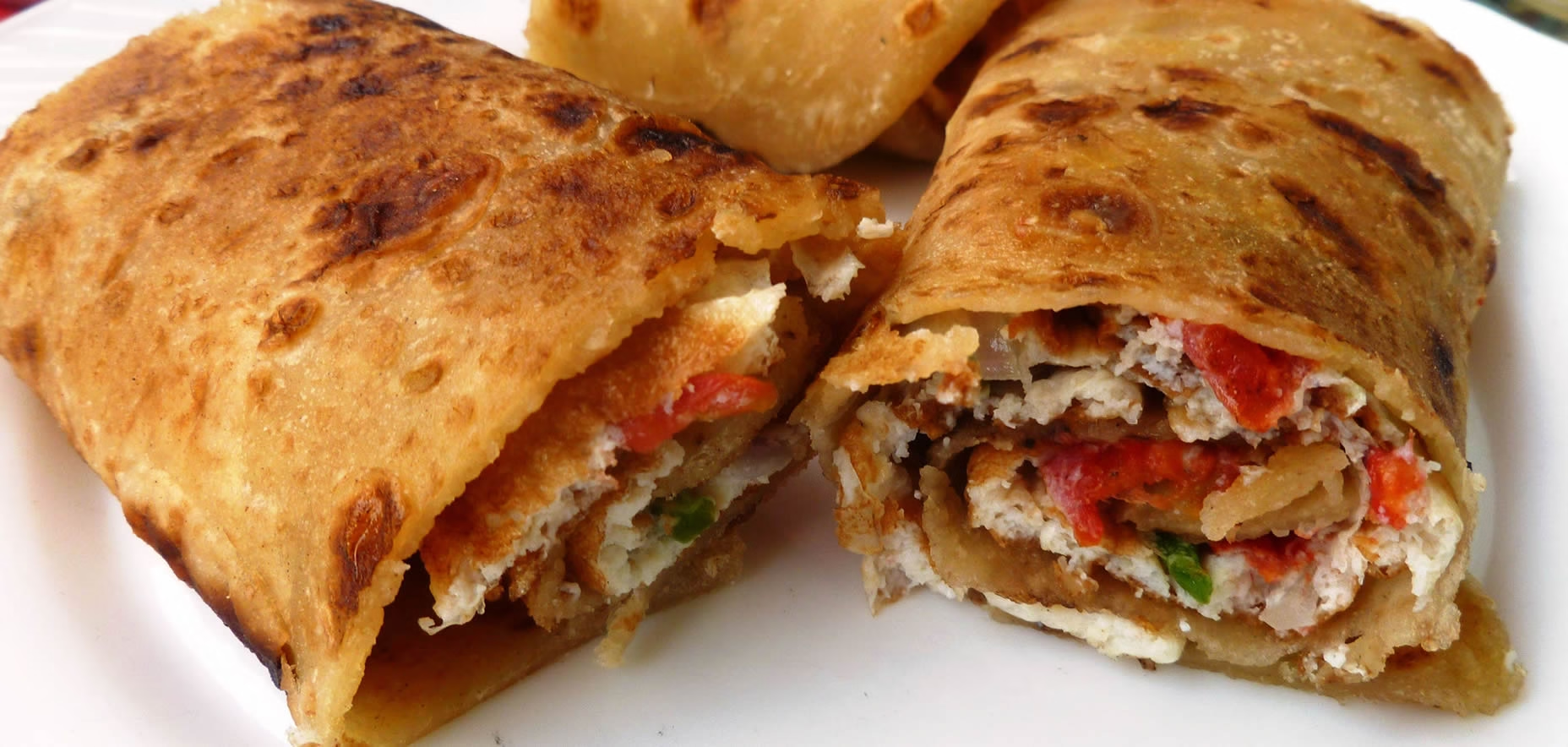
In Uganda, “Rolex” is not a luxury watch but a beloved street food. This simple yet flavorful dish consists of an omelet wrapped in a freshly made chapati. Quick, affordable, and satisfying, Rolex is a favorite among students, workers, and travelers looking for a delicious meal on the go.
The Origin of Rolex in Uganda
Rolex started as a budget-friendly meal among university students in Kampala. Street vendors in Wandegeya, a busy area near Makerere University, began serving eggs rolled in chapati to hungry students. The name “Rolex” comes from the phrase “rolled eggs,” which was shortened and popularized over time.
Today, Rolex is not just a meal but a cultural symbol, enjoyed across Uganda and even celebrated at the annual Rolex Festival.
How Rolex is Made
Making Rolex requires simple ingredients, but skill determines its taste and texture.
Ingredients:
- 1 fresh chapati
- 2 eggs
- 1 small tomato, chopped
- 1 small onion, chopped
- 1/2 green pepper, chopped
- Salt and spices to taste
- Cooking oil
Preparation Steps:
- Making the Omelet – Beat the eggs and mix in the chopped vegetables, salt, and spices.
- Cooking the Omelet – Heat oil on a pan, pour in the egg mixture, and cook until golden.
- Assembling the Rolex – Place the cooked omelet on a warm chapati and roll it tightly.
- Serving – Cut into pieces or eat whole, often enjoyed with tea or soda.
Variations of Rolex
Rolex has evolved over time, with different regions and vendors adding unique twists.
- Plain Rolex – The classic version with eggs and chapati.
- Meat Rolex – Includes beef, chicken, or minced meat for extra protein.
- Vegetable Rolex – Packed with cabbage, carrots, and avocado for a healthier option.
- Cheese Rolex – A luxurious version with melted cheese inside the roll.
The Rolex Festival: A Celebration of Uganda’s Favorite Street Food
The Rolex Festival is an annual event that brings together food lovers to celebrate Uganda’s most famous dish. First launched in 2016, the festival takes place in Kampala and attracts thousands of visitors, including locals and international tourists.
At the festival, chefs and street vendors showcase different variations of Rolex, experimenting with new ingredients and flavors. Visitors enjoy live cooking demonstrations, music, cultural performances, and a vibrant market atmosphere. The event highlights Uganda’s rich food culture and the entrepreneurial spirit of local vendors who have turned Rolex into a nationwide phenomenon.
Why Ugandans Love Rolex
Rolex is affordable, portable, and packed with flavor. It’s available on almost every street, making it a convenient meal for people on the move. Its simplicity allows for endless creativity, with each vendor adding their own special touch.
Health Benefits of Rolex
- High in Protein—Eggs provide essential nutrients for muscle growth and energy.
- Rich in Carbohydrates—chapati offers a good energy boost.
- Customizable for Health—Adding vegetables increases vitamins and fiber.
Plan Your Food Adventure in Uganda
Rolex is more than just a meal—it’s part of Uganda’s food culture. Whether you are grabbing one from a street vendor or attending the Rolex Festival, the combination of eggs and chapati never disappoints. Visit Uganda and enjoy an authentic Rolex experience!