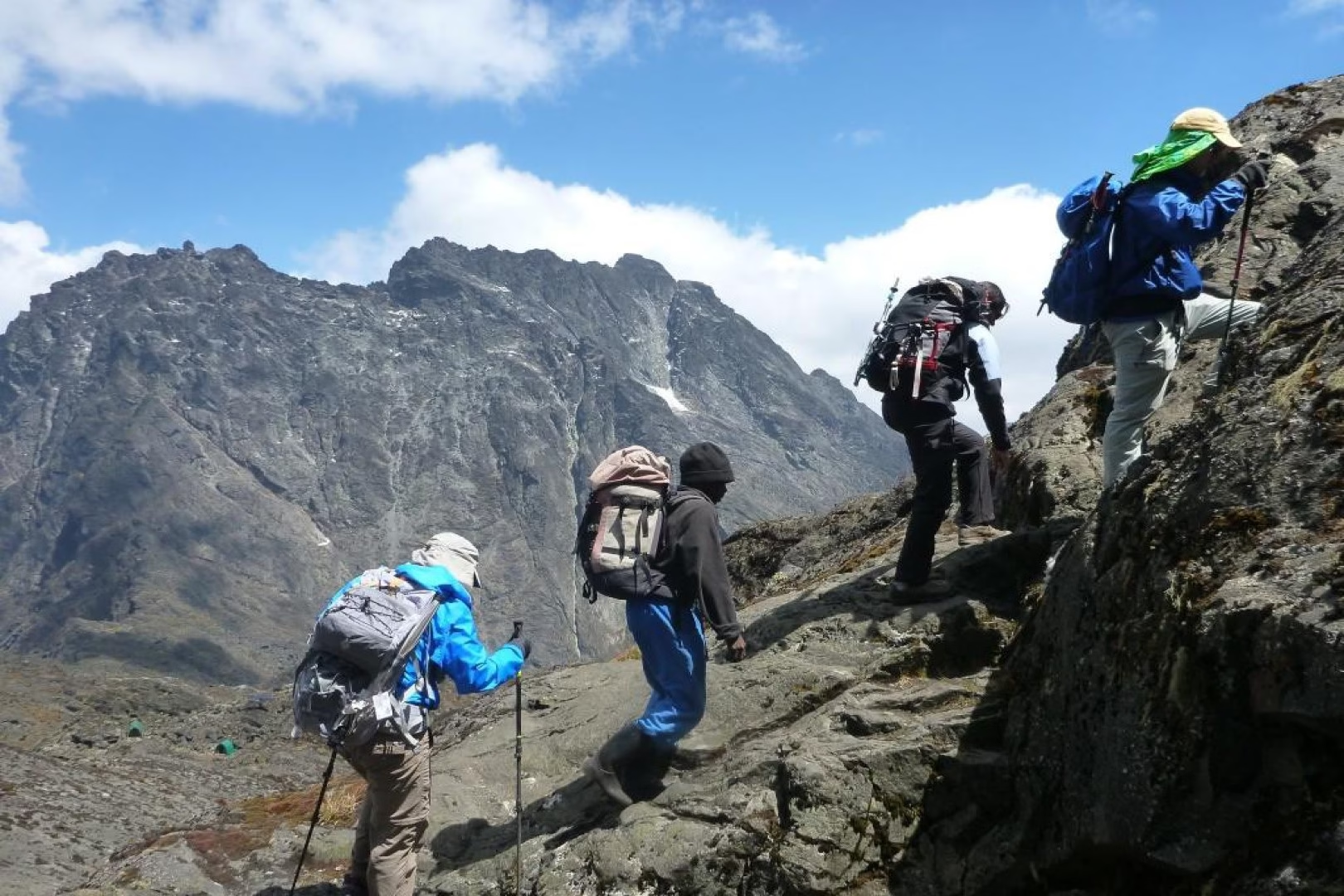

Mountain Climbing Safety
Mountain Climbing Safety
Mountain climbing is an exciting and rewarding activity, but it comes with risks. Proper preparation and safety measures can make your adventure enjoyable and secure. Here are key safety tips for mountain climbing:
Train and Prepare Physically
Climbing requires strength, endurance, and flexibility. Regular cardio workouts, strength training, and hiking practice will prepare your body for the challenges of the climb.
Research the Mountain and Route
Understand the difficulty level, altitude, weather conditions, and terrain of the mountain. Study maps, guidebooks, and reports from experienced climbers.
Check the Weather Forecast
Unpredictable weather can turn a climb dangerous. Always check the forecast before your climb and be prepared for sudden changes. Avoid climbing in extreme conditions.
Pack the Right Gear
Essential climbing gear includes:
- Proper footwear (mountain boots)
- Helmet and gloves
- Ropes and harnesses (for technical climbs)
- GPS, compass, and map
- First aid kit
- Extra food and water
- Insulated clothing and rain gear
Stay Hydrated and Well-Nourished
Climbing burns a lot of energy, so carry enough food and water. Dehydration and lack of nutrition can cause fatigue and altitude sickness.
Acclimatize to High Altitudes
Altitude sickness can be life-threatening. Climb gradually, take breaks, and allow your body to adjust to the altitude. If symptoms like dizziness or nausea appear, descend immediately.
Climb with a Group or Guide
Solo climbing is risky. Climbing with experienced partners or a guide increases safety and support in case of emergencies.
Follow Safety Procedures and Signals
Learn climbing signals and communication methods. Always secure harnesses and double-check knots and ropes before ascending.
Be Aware of Falling Rocks and Avalanches
Stay alert and avoid loose rocks. If climbing in snowy conditions, understand avalanche risks and use proper equipment like avalanche beacons.
Have an Emergency Plan
Inform someone about your climbing plan and estimated return time. Carry a satellite phone or emergency beacon for remote climbs. Know basic first aid and evacuation procedures.
By following these safety measures, you can enjoy a thrilling yet secure mountain climbing experience. Always respect nature and climb responsibly.