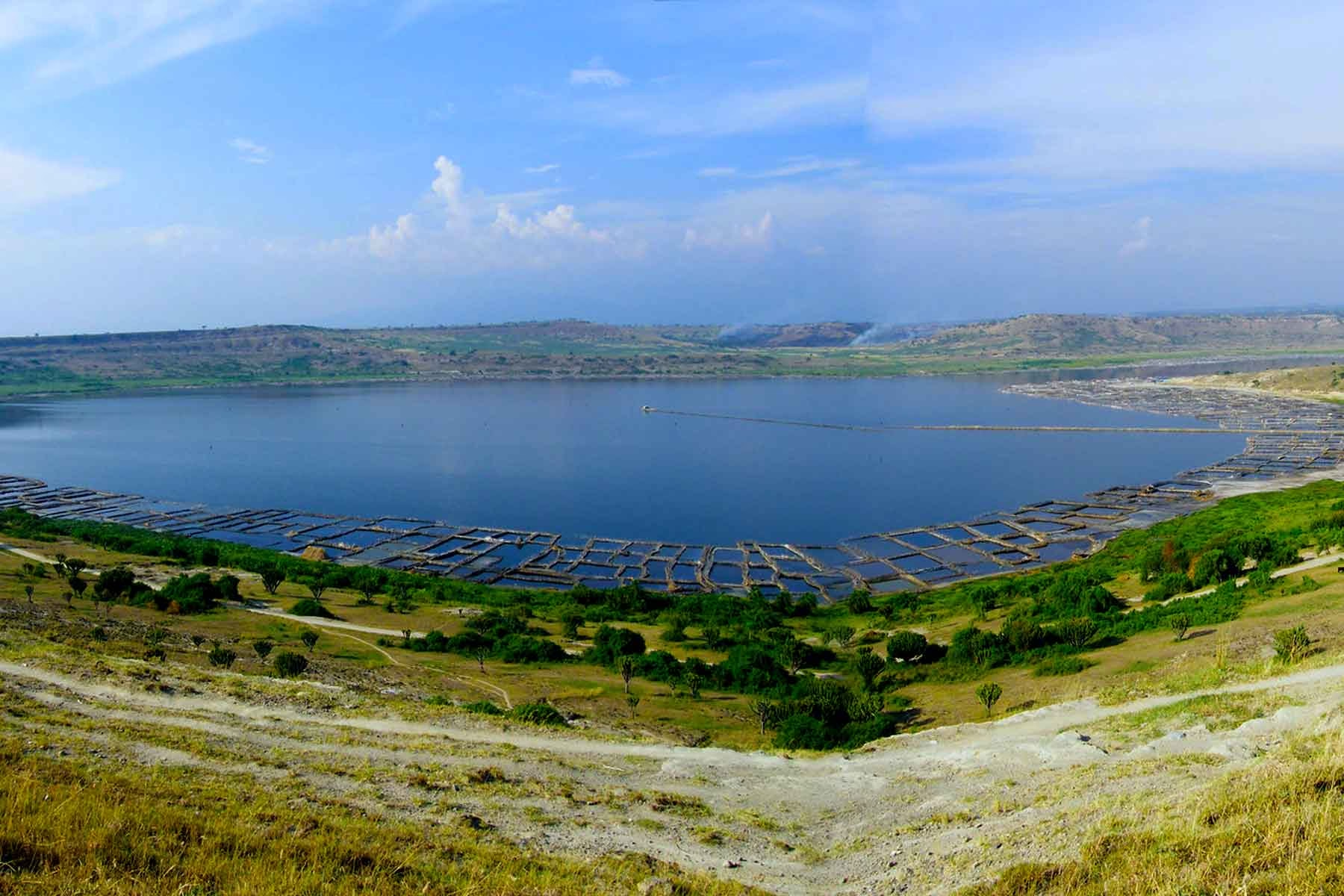

Lake Katwe-Kasese
Lake Katwe-Kasese: A Hidden Gem of Uganda’s Natural Beauty
Lake Katwe, which is nestled in the heart of Uganda’s Kasese District, is a breathtaking and unique destination that offers more than just scenic beauty. It is an ancient crater lake located within the Queen Elizabeth National Park and is famous for its salt mining, wildlife, and stunning landscape. The lake, surrounded by volcanic craters and vast savannas, is one of Uganda’s most fascinating natural landmarks.
About Lake Katwe-Kasese
Lake Katwe is a small, yet significant, crater lake that sits in the western part of Uganda, within the boundaries of the Queen Elizabeth National Park. The lake is renowned for its role in Uganda’s salt production as well as its extraordinary beauty. It holds both historical and ecological importance, having been a source of salt for local communities for centuries.
Geography and Formation
The volcanic caldera forms the lake, and like many other crater lakes, volcanic activity created it millions of years ago. The surrounding area features craters, creating a dramatic landscape of hills, valleys, and deep ravines. The salt deposits around the lake make it an ideal site for salt extraction, and this has been a traditional practice for locals for generations.
Salt Mining at Lake Katwe
One of the most unique aspects of Lake Katwe is its salt mining. The lake’s salty water is rich in minerals, and local communities have been extracting salt from it for centuries. The salt mining process is a labor-intensive activity, and visitors can take guided tours to learn about the traditional methods used to harvest salt.
The Salt Extraction Process
- Manual Harvesting: Local workers wade into the lake to scoop salt, which is then sun-dried and processed
- Salt Pans: Miners create shallow ponds where lake water evaporates, leaving salt crystals behind.
- Cultural Significance: The salt mined here is vital for local livelihoods, and the process itself is a part of the cultural heritage of the community.
Wildlife and Ecosystem
While Lake Katwe is primarily known for its salt mining, it is also part of the larger ecosystem of Queen Elizabeth National Park, which is home to a variety of wildlife. The lake and its surrounding areas attract a range of birds, mammals, and other wildlife species.
Bird Watching
Lake Katwe is a key stop for birdwatchers. Its salty waters attract various bird species, including:
- Flamingos: Large flocks visit during certain seasons to feed on algae and organisms.
- Waterfowl: Ducks, geese, and waders are commonly seen, especially in the morning.
- Raptors: Eagles and other birds of prey often hover above the lake, hunting for fish and small animals.
Other Wildlife
While the lake itself is not a primary wildlife hotspot, the surrounding areas of Queen Elizabeth National Park are home to diverse wildlife, including:
- Elephants: Queen Elizabeth is one of the best places to see elephants in Uganda.
- Lions: The park is known for its population of lions, with the famous tree-climbing lions found in the Ishasha sector.
- Buffaloes, Hippos, and Crocodiles: These species can be found in the park’s grassy plains and water bodies, including the nearby Kazinga Channel.
Activities at Lake Katwe-Kasese
1. Salt Mining Tours
A visit to Lake Katwe is incomplete without a tour of the salt mines. Local guides take tourists to the lake, explaining the mining process, the cultural practices, and the challenges faced by the community. These tours provide a fascinating look at one of Uganda’s unique industries.
2. Bird Watching and Photography
For nature enthusiasts, bird watching at Lake Katwe is a rewarding experience. The combination of the lake’s ecosystem and the surrounding savanna provides ample opportunities for bird photography, particularly for those interested in capturing flamingos and other migratory birds.
3. Scenic Viewpoints
The area around Lake Katwe offers stunning panoramic views of the lake and the surrounding volcanic craters. Visitors can hike or take a short drive to various viewpoints to capture the beauty of the lake in photos or simply enjoy the tranquility of the area.
4. Cultural Experiences
Beyond salt mining, visitors can immerse themselves in the culture of the local communities around the lake. This includes learning about the traditions, music, and lifestyle of the people who rely on the salt mining industry for their livelihoods.
How to Get to Lake Katwe-Kasese
Lake Katwe is about 30–40 kilometers from Kase Town, making it easily accessible for visitors to Queen Elizabeth National Park. The lake is best reached by road and can be included in a park tour.
- By Road: From Kampala, the drive to Lake Katwe takes approximately 6-7 hours. From Kasese, it is a short drive to the lake.
- By Air: Domestic flights to Kasese Airport are available from Entebbe, and the drive to the lake from there takes about 30 minutes.
Best Time to Visit
- Dry Season (June to September): This is the best time to visit Uganda’s national parks, including Queen Elizabeth National Park. The dry weather makes wildlife viewing easier, and the lake’s surrounding areas are more accessible.
- Wet Season (March to May and October to November): While the wet season brings lush landscapes, it can make traveling to some areas more challenging. However, this is also the time when migratory birds are often present.
Plan your tour to Lake Katwe today.
Lake Katwe in Kasese is a must-visit destination for those exploring Uganda’s diverse landscapes. From its fascinating salt mining heritage to its wildlife and cultural experiences, the lake offers a unique glimpse into the lives of local communities and the natural beauty of the area.