
Are There Tigers in Uganda?
Many travelers ask whether Uganda has tigers roaming its savannahs. The answer is no—Uganda has no wild tigers. Tigers are native to Asia, not Africa. You will not find them in national parks such as Queen Elizabeth, Murchison Falls, or Kidepo. Instead, Uganda is home to Africa’s iconic cats: lions, leopards, cheetahs, and the smaller servals.
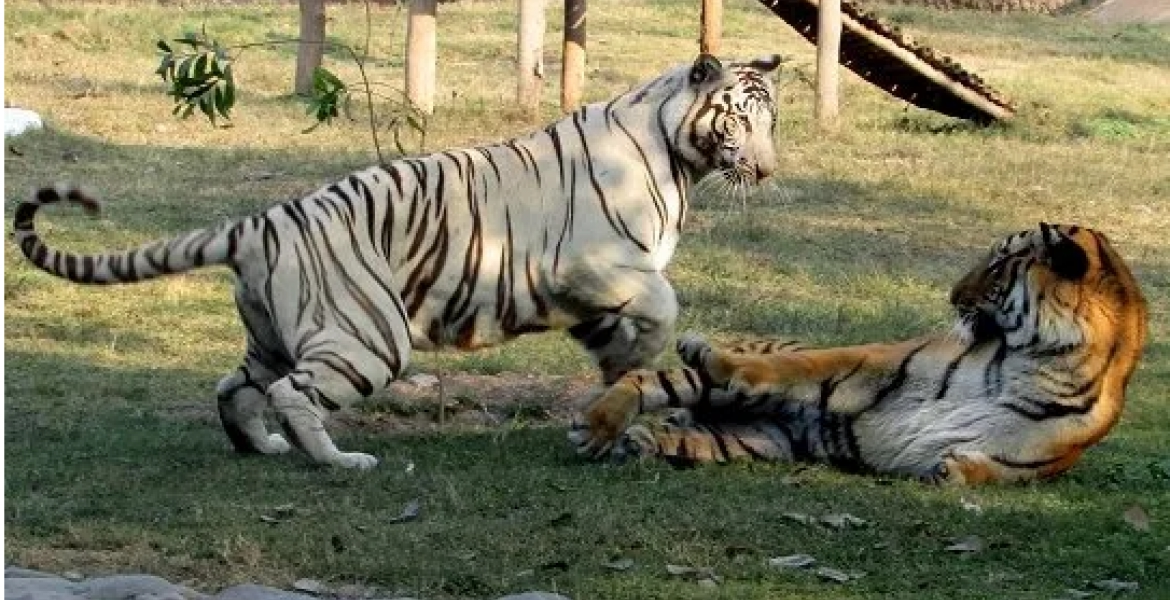
However, if your curiosity about tigers remains, there is one place where you can see them in Uganda. The Uganda Wildlife Education Centre (UWEC) in Entebbe, often called the “Entebbe Zoo,” houses a pair of tigers in captivity. They live here as part of conservation education, allowing Ugandans and visitors to learn about species that are not native to Africa.
This distinction is important: Uganda’s wilderness gives you the chance to see native African wildlife in their natural habitat, while the tigers at UWEC offer a rare glimpse of an Asian predator in captivity. So, while Uganda cannot offer you a tiger safari, it promises unforgettable encounters with gorillas, elephants, buffaloes, lions, and other creatures that make Africa unique.
Africa’s Big Cats in Uganda
Lions
Uganda’s lions live mainly in savannah areas like Queen Elizabeth National Park and Kidepo Valley National Park. They are social animals, often seen in prides. Visitors can observe them during game drives, especially early morning or late afternoon when they are most active.
Leopards
Leopards are elusive and nocturnal. They inhabit forests, rocky hills, and dense vegetation. Bwindi Impenetrable Forest and some savannah areas are known leopard habitats. Sightings are rarer but highly rewarding for wildlife enthusiasts.
Cheetahs
Cheetahs are extremely rare in Uganda. They are found in very limited numbers in Kidepo Valley National Park. Unlike lions, cheetahs rely on speed to hunt and prefer open plains.
Other Predators in Uganda
Hyenas
Spotted and striped hyenas roam savannahs and wetlands. They are mostly nocturnal scavengers, but sometimes visible during the day near kills or water sources.
Wild Dogs
African wild dogs are rare and endangered. They inhabit remote savannah areas. Kidepo Valley occasionally hosts small packs, but sightings are uncommon.
Jackals
Golden jackals and black-backed jackals are present in savannahs and near human settlements. They are opportunistic feeders and easier to spot than wild dogs.
Why Tigers Are Not in Uganda
Tigers evolved in Asia and adapted to dense forests, grasslands, and wetlands there. Africa already has its own top predators, like lions, leopards, and cheetahs. Tigers have never been native to Africa, so no wild tiger populations exist anywhere on the continent, including Uganda.
Tips for Seeing Predators in Uganda
- Go on Game Drives: Early morning and late afternoon are best for spotting lions, leopards, and hyenas.
- Visit Multiple Parks: Queen Elizabeth, Murchison Falls, and Kidepo Valley—increases your chances of seeing big cats.
- Hire Knowledgeable Guides: Local guides know animal behavior, increasing your likelihood of predator sightings.
- Stay Patient and Observant: Predators are elusive. Quiet observation and persistence pay off.
Conclusion
Uganda offers extraordinary wildlife experiences, but tigers are not part of its ecosystem. Instead, visitors can encounter Africa’s native predators: lions, leopards, cheetahs, hyenas, and wild dogs. Safaris in Uganda focus on these species and the rich variety of herbivores and primates that live alongside them. Understanding which predators actually inhabit Uganda helps travelers set realistic expectations and plan unforgettable safari experiences.