

Grumeti River Crossing
Grumeti River Crossing – A Spectacle of the Great Migration
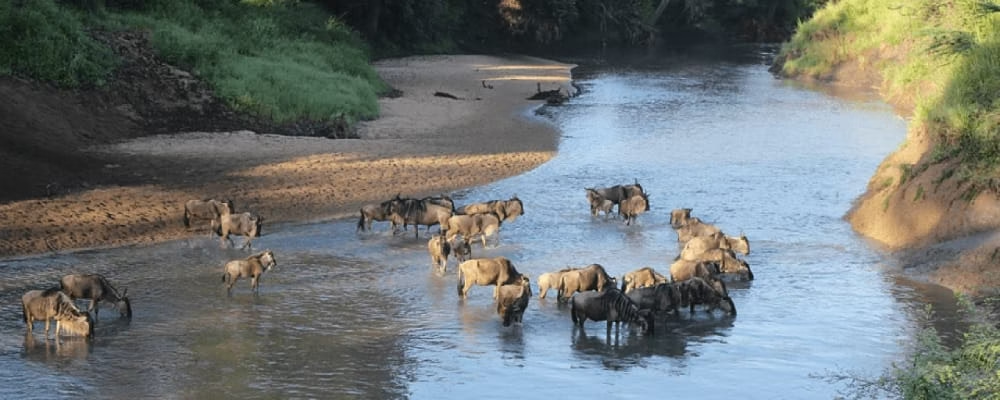
The Grumeti River Crossing is one of the most dramatic wildlife spectacles in Tanzania, part of the annual Great Wildebeest Migration. Each year, thousands of wildebeest, zebras, and gazelles make their way across the crocodile-infested waters of the Grumeti River in the western Serengeti. It’s a breathtaking natural event filled with suspense, drama, and raw survival instincts – making it a highlight for safari travelers.
Where is the Grumeti River?
The Grumeti River flows through the Western Corridor of Serengeti National Park in northern Tanzania. It stretches about 50 kilometers, creating a natural obstacle for migrating herds on their northward journey. Unlike the famous Mara River crossing in Kenya, the Grumeti is less crowded with tourists, offering a more exclusive viewing experience.
The Drama of the Crossing
Every year, usually between May and July, wildebeest and zebras arrive at the Grumeti River as part of their migration from the southern Serengeti to the Maasai Mara. The crossing is perilous – strong currents, steep riverbanks, and lurking Nile crocodiles create a life-and-death challenge.
The spectacle is both heartbreaking and awe-inspiring. Some animals perish in the attempt, falling prey to predators or the river’s force, while others successfully cross, continuing their epic journey toward greener pastures.
Wildlife Encounters at the Grumeti
The Grumeti River crossing is not just about wildebeest. Alongside the migration, travelers often spot:
- Nile Crocodiles – some of the largest in Africa, waiting patiently for their prey.
- Hippos – congregating in the river, creating both obstacles and fascinating photo opportunities.
- Big Cats – lions, leopards, and cheetahs often follow the herds, hunting weakened animals.
- Birdlife – storks, herons, and raptors thrive in this ecosystem, feeding on the abundance created by the migration.
When to Visit
The best time to witness the Grumeti River crossing is during the migration window of May to July. Exact timing varies each year depending on rainfall and grazing patterns. Safaris at this time focus on the Western Serengeti, where herds gather in preparation for their dangerous passage.
Safari Experience
Visitors to the Grumeti can enjoy both game drives and luxury accommodations offered in private concessions such as Grumeti Game Reserve, which borders Serengeti National Park. These areas provide excellent wildlife viewing away from the larger crowds of central Serengeti and the Mara River.
Why the Grumeti Crossing Matters
The Grumeti River crossing is not just a natural phenomenon; it’s a raw demonstration of survival, resilience, and the circle of life. For safari travelers, witnessing this spectacle is a once-in-a-lifetime opportunity that brings the Great Migration to life in its most dramatic form.