
Species of Gorillas in Africa
Species of Gorillas in Africa – Types, Habitats, and Facts
Gorillas are Africa’s largest primates and are divided into two main species, each with distinct subspecies. They are critically endangered, and understanding their classification, habitats, and characteristics is essential for conservation and for travelers interested in gorilla trekking.
Western Gorilla (Gorilla gorilla)
The western gorilla is found in the forests of western central Africa, including countries like Gabon, Cameroon, the Republic of Congo, and Equatorial Guinea. It is divided into two subspecies:
- Western Lowland Gorilla (Gorilla gorilla gorilla): This is the most widespread gorilla subspecies. They live in lowland tropical forests and swamps. They have a slightly smaller size compared to mountain gorillas, with brown-grey coats and a more pronounced brow ridge. These gorillas are more frequently encountered in captivity and conservation projects.
- Cross River Gorilla (Gorilla gorilla diehli): Found in a small forested area along the Nigeria-Cameroon border, this subspecies is critically endangered, with only a few hundred individuals remaining. They are elusive and less studied due to their remote habitat.
Eastern Gorilla (Gorilla beringei)
Eastern gorillas inhabit the mountainous forests of central and eastern Africa. This species is also divided into two subspecies:
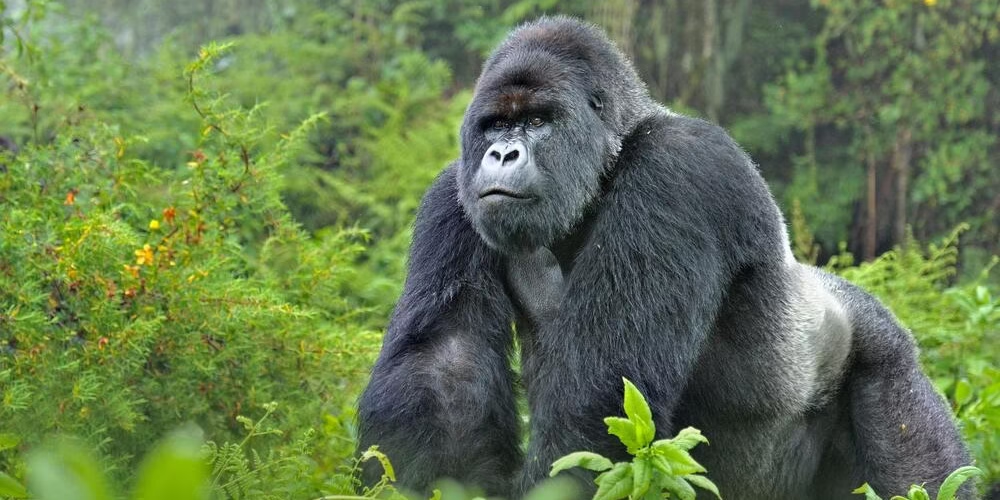
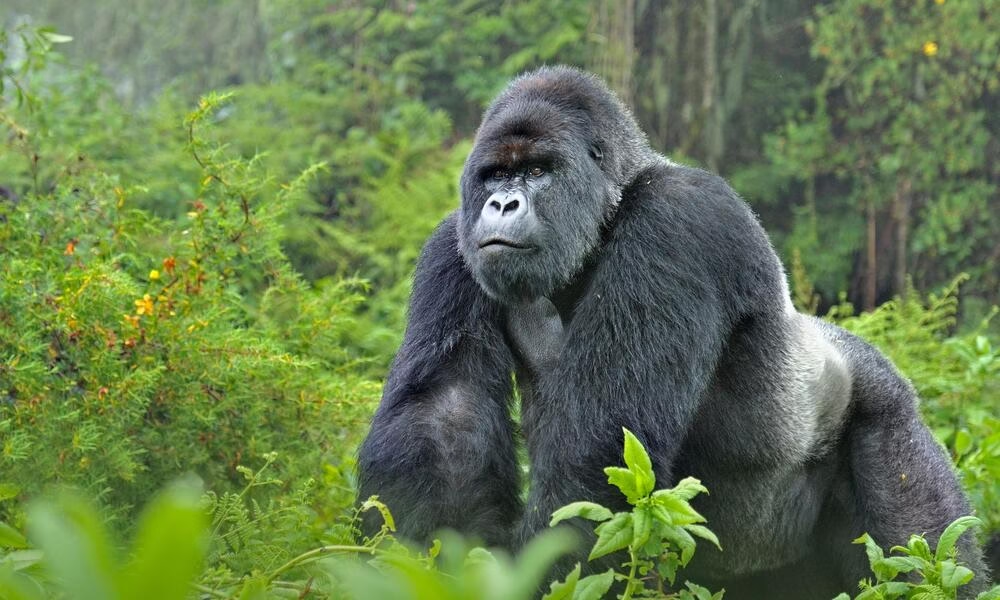
- Mountain Gorilla (Gorilla beringei beringei): These gorillas live in the Virunga Mountains, which span Uganda, Rwanda, and the Democratic Republic of Congo, as well as Bwindi Impenetrable Forest in Uganda. Mountain gorillas have thick, dark fur, adapted to cold mountainous climates. They are famous for their gentle behavior and are the primary focus of gorilla trekking tourism.
- Eastern Lowland Gorilla / Grauer’s Gorilla (Gorilla beringei graueri): Found in the lowland and mountainous forests of eastern Democratic Republic of Congo, this subspecies is larger than the mountain gorilla and has a longer face. It is critically endangered, with population numbers declining due to habitat loss and poaching.
Key Differences Between Gorilla Species
The main differences between western and eastern gorillas include:
- Habitat: Western gorillas inhabit lowland forests and swamps, while eastern gorillas prefer mountainous or lowland forests.
- Size and Fur: Eastern gorillas are generally larger with thicker fur, while western gorillas are slightly smaller with shorter hair.
- Behavior: Both species are social and live in family groups called troops, but eastern gorillas, particularly mountain gorillas, are more frequently habituated to human presence for tourism.
Conservation Status
All gorilla species are critically endangered due to habitat destruction, poaching, disease, and conflict. Conservation efforts include anti-poaching patrols, habitat protection, eco-tourism programs like gorilla trekking, and community engagement initiatives. Organizations such as the World Wildlife Fund (WWF) and Gorilla Doctors play a key role in protecting these primates.
Conclusion
Africa is home to two main gorilla species—the western gorilla and eastern gorilla—each with its own subspecies and unique habitats. While their numbers are critically low, conservation and responsible tourism provide hope for their survival. Seeing these majestic creatures in their natural habitat is a once-in-a-lifetime experience that also contributes to their protection.
Metadata
Meta Title:
Meta Description:
Focus Keywords: , , mountain gorilla, eastern gorilla, western gorilla