
Coronavirus Measures and Standard Operating Procedures (SOPs) for Gorilla Trekking
Coronavirus Measures and Standard Operating Procedures (SOPs) for Gorilla Trekking
Gorilla trekking is one of Africa’s most thrilling wildlife adventures. But since mountain gorillas share over 98% of human DNA, they can easily catch human diseases. With COVID-19, Uganda, Rwanda, and Congo introduced strict Standard Operating Procedures (SOPs) to protect gorillas, trekkers, and local communities.
Why COVID-19 SOPs Matter in Gorilla Trekking
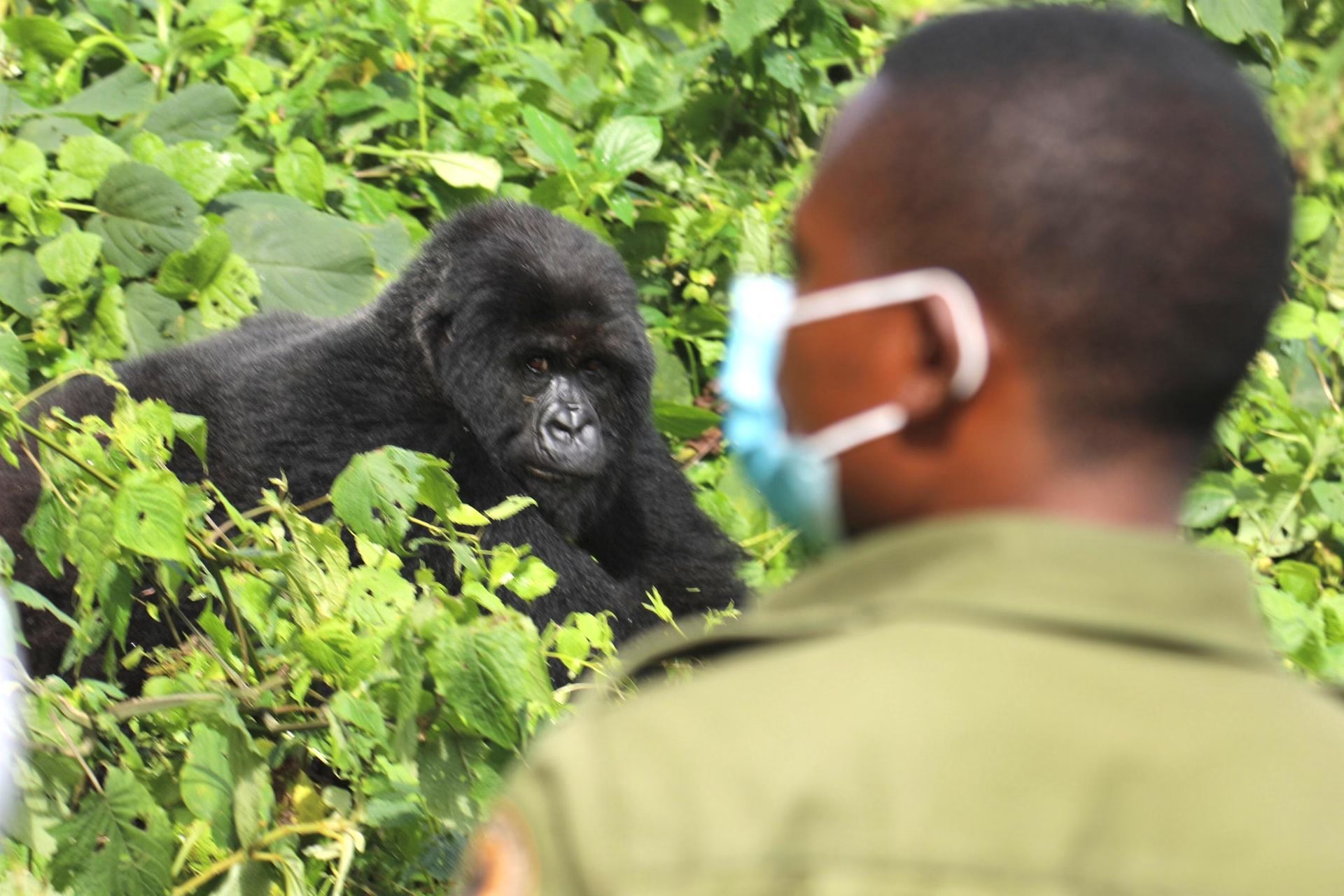
Mountain gorillas are critically endangered. A single flu or cough from a tourist can spread quickly in a gorilla family. SOPs reduce these risks by limiting close contact and improving hygiene. They also protect tourists and rangers who work daily in the forest.
Key COVID-19 SOPs for Gorilla Trekking
Pre-Trekking Requirements
Before entering the park, every visitor must present a negative COVID-19 PCR test taken within 72 hours. Rangers also check temperatures at the gate, and trekkers must wash or sanitize their hands. These steps ensure no one with symptoms risks spreading the virus.
During the Briefing
Trekkers gather for a pre-trek briefing in open-air spaces. Everyone wears masks and keeps a distance of at least two meters from each other. Rangers explain how to behave in the forest to keep both trekkers and gorillas safe.
On the Trail
Masks remain on during the hike, and trekkers are advised to avoid unnecessary contact with others. Group sizes are kept small, usually no more than eight people, to allow proper spacing. These measures make the trek safer while still enjoyable.
While With the Gorillas
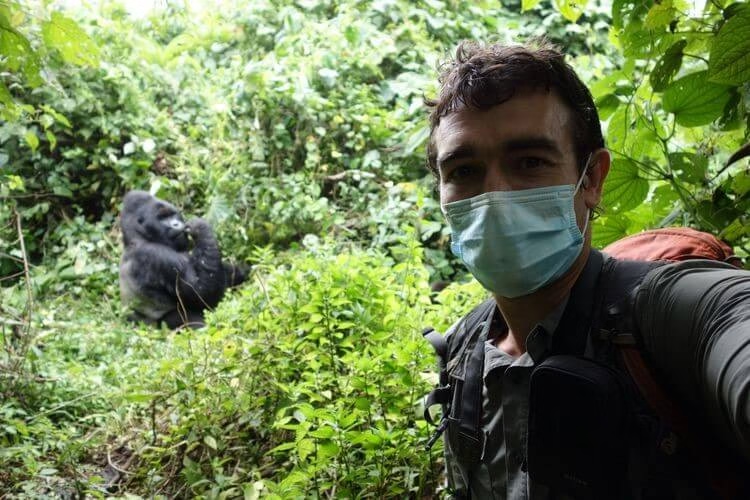
The most important rule is distance. Trekkers must stay at least ten meters away from the gorillas, increased from the usual seven meters. Eating, drinking, or smoking is not allowed near the gorillas. Masks stay on, and if you must cough or sneeze, you turn away and cover properly.
If a Trekker Feels Unwell
Anyone with flu-like symptoms is not allowed to join the trek. Instead, park authorities may offer alternative activities such as birding or nature walks. This prevents risking the health of the gorillas and the trekking group.
After the Trek
At the end of the experience, trekkers wash or sanitize their hands again. Park authorities may also record contact details for easy follow-up in case any COVID-19 case is reported later.
Additional Travel Measures in Uganda, Rwanda, and Congo
Rwanda requires visitors to complete a Passenger Locator Form and take PCR tests before and after arrival. National parks strictly enforce health rules during gorilla treks.
Uganda also demands a negative PCR test on arrival. Entebbe Airport applies temperature checks and sanitization, and Uganda Wildlife Authority (UWA) rangers monitor SOPs inside the parks.
Congo’s Virunga National Park enforces limited visitor numbers, compulsory mask use, and ranger training on health emergencies.
Tips for Tourists
Carry extra masks and a personal sanitizer to use on the trek. Pack disinfectant wipes for small items like cameras. Work with a trusted operator like Gecko Safaris Africa to handle permits, transport, and compliance with park rules. Since group sizes are smaller under COVID SOPs, book your permit well in advance.
Conclusion
Coronavirus measures have changed how gorilla trekking is done, but they keep the adventure safe and magical. By following SOPs, you help protect endangered gorillas, support local communities, and ensure tourism continues in a responsible way.