
Uganda Currency
Uganda Currency
Uganda uses the Ugandan Shilling (UGX) as its official currency. The shilling is essential for daily life, covering everything from groceries and transport to safari tours and cultural activities. For travelers, understanding the currency, denominations, and exchange options is crucial for smooth transactions and budgeting.
History of the Ugandan Shilling
The Ugandan Shilling was introduced in 1966, replacing the East African Shilling. It has evolved over time, with new banknote designs featuring prominent Ugandan landmarks, wildlife, and cultural symbols. Coins and banknotes reflect Uganda’s history, flora, and fauna, making them interesting for collectors and travelers alike.
Denominations and Usage
Ugandan currency comes in coins and banknotes.
Coins:
- 50, 100, 200, 500, and 1,000 shillings
- Mostly used in markets, small shops, and public transport
- Coins are less commonly used in urban retail outlets
Banknotes:
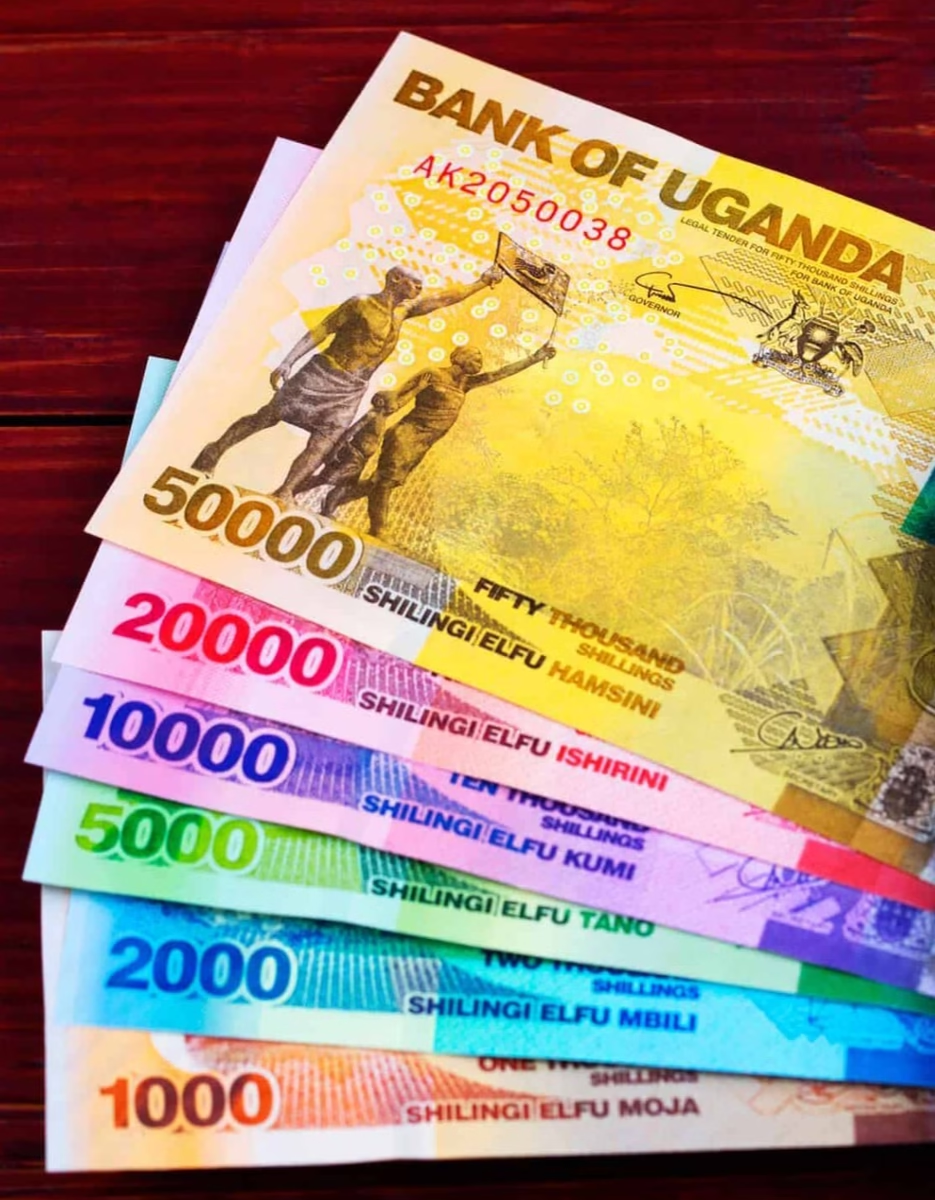
- 1,000, 2,000, 5,000, 10,000, 20,000, and 50,000 shillings
- Hotels, safari lodges, and major purchases require larger denominations.
- Banknotes use color codes and display images of national heritage, wildlife, and cultural icons.
Practical Tip: Carry a mix of small and medium denominations. Small bills simplify payments in markets, while larger notes help in lodges and tours.
Currency Exchange
Travelers have several options:
- Banks: Offer secure and official rates. Major banks in Kampala, Entebbe, and Jinja handle currency exchange for travelers.
- Bureaux de Change: Licensed exchange offices provide competitive rates in urban centers.
- Hotels: Some high-end hotels offer currency exchange but rates may be less favorable.
Tip: Avoid street vendors for currency exchange to prevent scams.
Using ATMs and Cards
ATMs are widely available in cities and tourist areas. Most accept Visa, Mastercard, and Maestro cards. However, rural areas and national parks may lack ATM access.
Tips for ATM use:
- Inform your bank before traveling to avoid card blocks.
- Carry backup cash for remote areas.
- Withdraw shillings rather than dollars for local transactions.
Card Use:
- Credit and debit cards are accepted in hotels, restaurants, and safari lodges.
- Cash remains essential in markets, public transport, and local villages.
Budgeting Tips for Travelers
- Daily Expenses: Small meals, public transport, and local crafts can be paid in small denominations.
- Safaris and Lodges: Large bills or card payments are preferred. Many safari operators require shillings or US dollars.
- Tipping and Miscellaneous: Keep small bills handy for tips, guides, and small purchases.
- Emergency Cash: Always have some backup cash in USD in case of emergencies or rural travel.
Interesting Facts
- Banknotes feature iconic Ugandan wildlife like elephants, lions, and gorillas.
- The 50,000 shilling note is the highest denomination and often used in major transactions.
- The currency reflects Uganda’s natural beauty and cultural heritage, making it educational for visitors.
Conclusion
Understanding Uganda’s currency is essential for travelers to enjoy a hassle-free visit. From coins and banknotes to exchange procedures and budgeting, knowing how to manage money ensures smooth transactions in cities, rural areas, and national parks. By carrying a mix of denominations, using secure exchange options, and keeping backup cash, visitors can focus on enjoying Uganda’s culture, wildlife, and landscapes without financial stress.