
Exploring Mount Speke
Mount Speke: Exploring Uganda’s Majestic Alpine Peak
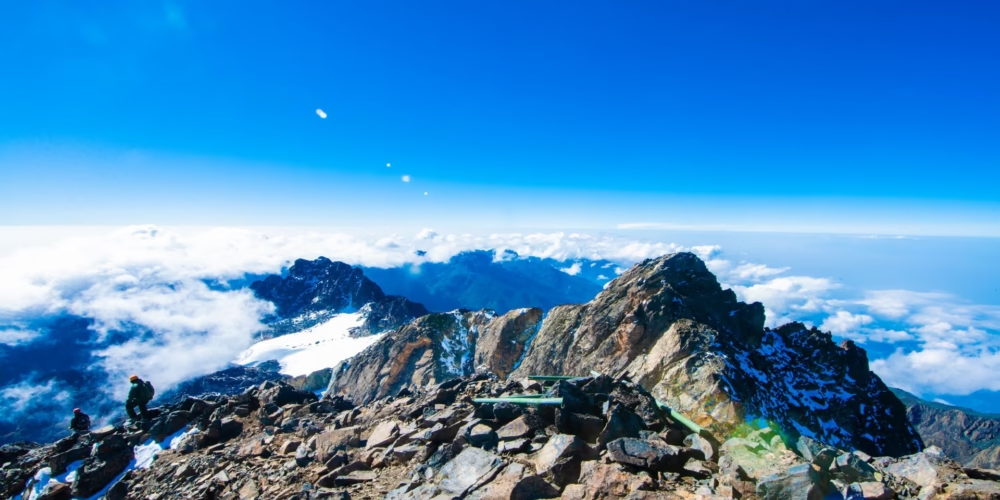
Mount Speke rises majestically in Uganda’s Rwenzori Mountains, forming part of the legendary “Mountains of the Moon.” Named after British explorer John Hanning Speke, this peak offers adventurous trekkers a challenging yet rewarding experience. Snow-capped summits, glaciers, and lush alpine landscapes make it one of Uganda’s most striking highland destinations.
Beyond its scenic beauty, Mount Speke offers diverse activities for nature lovers, hikers, and photographers. The combination of adventure, wildlife, and cultural experiences makes it a must-visit for travelers seeking an authentic alpine journey in Africa.
How to Get to Mount Speke
Mount Speke lies in the western Rwenzori Mountains near the border with the Democratic Republic of Congo. Most travelers begin their journey in Kampala, Uganda’s capital, which connects to major international airports. From Kampala, the town of Kasese serves as the main gateway to the Rwenzori range.
Travelers can drive to Kasese in approximately 7 to 8 hours or take a domestic flight. Roads from Kasese to the Rwenzori National Park headquarters are accessible by 4×4 vehicles. Local guides or safari operators usually arrange transportation from Kasese to the trailheads. Planning the journey ahead ensures a smooth start, especially for those carrying trekking gear and camping equipment.
Trekking Mount Speke: What to Expect
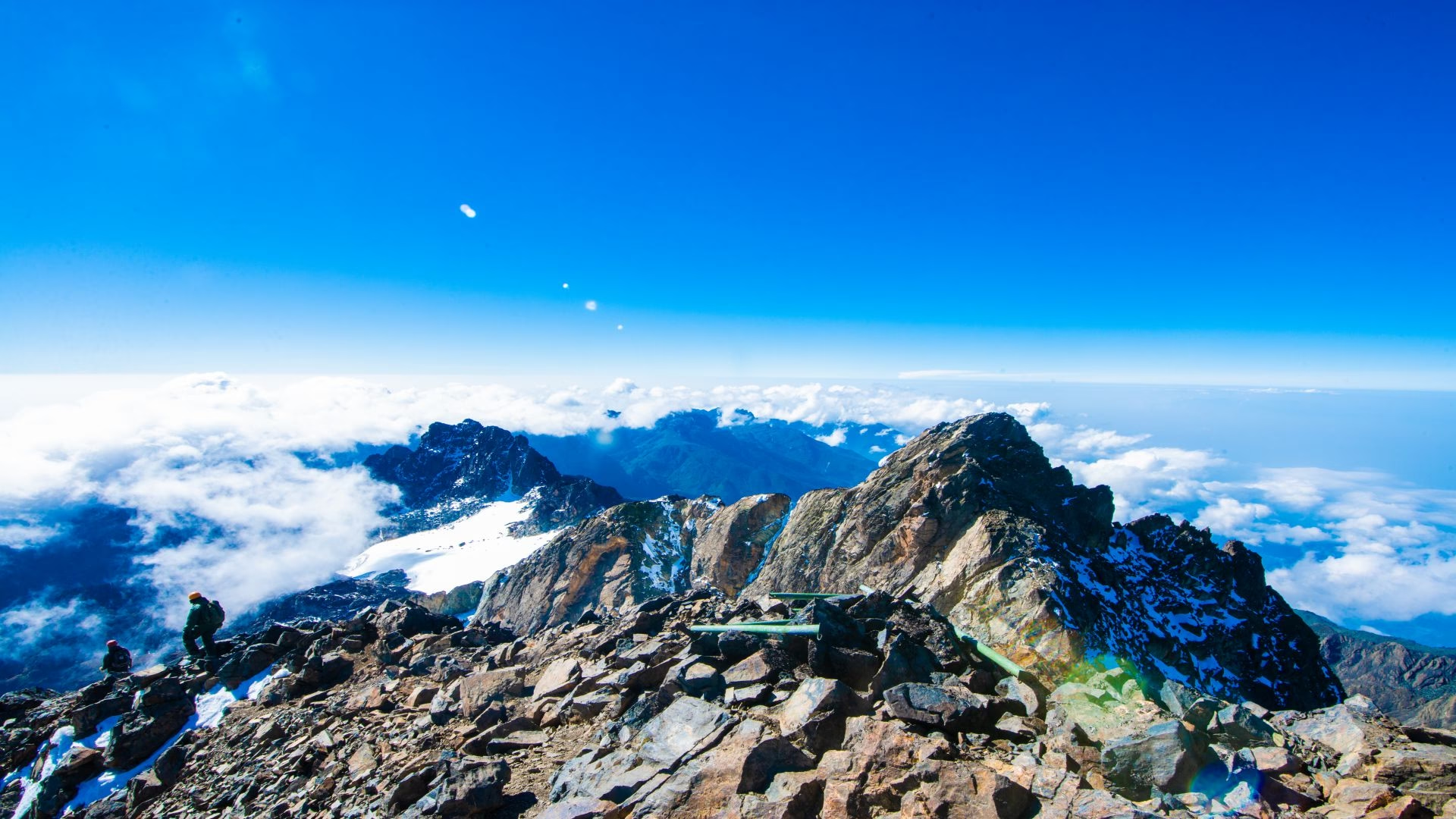
Climbing Mount Speke demands physical fitness, preparation, and a spirit of adventure. The trek begins through dense montane forests, where moss-draped trees create an enchanting atmosphere. Bamboo zones give way to alpine meadows filled with giant lobelia and endemic plants. The final approach reaches rocky ridges and glaciers near the summit, rewarding climbers with panoramic views of valleys, rivers, and neighboring peaks.
The altitude reaches over 4,890 meters, so trekkers should acclimatize gradually to avoid altitude sickness. Certified guides lead expeditions, providing safety, navigation, and insight into the mountain’s rapidly changing weather. Layered clothing, waterproof gear, and sturdy hiking boots are essential for a safe and enjoyable trek.
Things to Do at Mount Speke
Summit Trekking
Reaching the summit offers breathtaking views of the Rwenzori range and its glacial peaks. The climb tests physical endurance but rewards trekkers with sweeping panoramas of valleys, waterfalls, and neighboring mountains. Summit trekking is perfect for experienced hikers seeking a memorable adventure.
Forest and Alpine Hikes
Lower elevation trails wind through montane forests and bamboo zones. Visitors can enjoy misty forests with moss-covered trees and giant lobelia. Alpine meadows provide gentler terrain, allowing exploration of endemic plants and wildlife without attempting the full summit.
Birdwatching
The mountain hosts numerous bird species, including Rwenzori turacos and sunbirds. Forest and alpine zones offer opportunities to observe these birds in their natural habitats. Birdwatching gives travelers a peaceful, educational experience amid the Rwenzori’s unique ecosystem.
Wildlife Observation
Small mammals, forest monkeys, and unique alpine creatures inhabit the mountain. Guided walks provide chances to spot these animals while learning about their role in the ecosystem. Wildlife observation enhances the trekking experience and creates memorable encounters with nature.
Camping and Star Gazing
Camping at scenic points along the trails allows trekkers to fully immerse themselves in the mountain’s remote beauty. Night skies are remarkably clear, offering exceptional star gazing opportunities. This connection with nature is both serene and unforgettable.
Ecological Tours
Guided ecological tours explain the mountain’s unique flora and fauna. Visitors learn about endemic plants, conservation efforts, and the fragile alpine ecosystem. These tours make the trek both educational and adventurous.
Preparing for the Climb
Preparation is crucial. Trekkers should arrange permits and hire experienced local guides. Physical training, including cardio and endurance exercises, ensures readiness for demanding terrain. High-energy food, water, first aid, and navigation tools are essential. Weather can shift quickly, so thermal clothing, rain gear, and sun protection are necessary. Proper hydration and pacing help maintain energy and safety throughout the climb.
Best Times to Visit
The ideal months to trek Mount Speke are during Uganda’s dry seasons, from December to February and June to August. Trails are clearer, safer, and glaciers and waterfalls are more visible during these months. Wet seasons increase the risk of slippery paths and difficult hiking conditions, making careful planning vital for a successful climb.
Conclusion
Mount Speke offers a combination of adventure, natural beauty, and ecological diversity. From challenging summit climbs to gentle forest hikes, birdwatching, camping, and guided ecological tours, the mountain caters to a variety of interests. With proper preparation, experienced guidance, and respect for nature, visitors can fully experience the Rwenzori’s extraordinary alpine landscapes, making Mount Speke a highlight of any African mountain adventure.