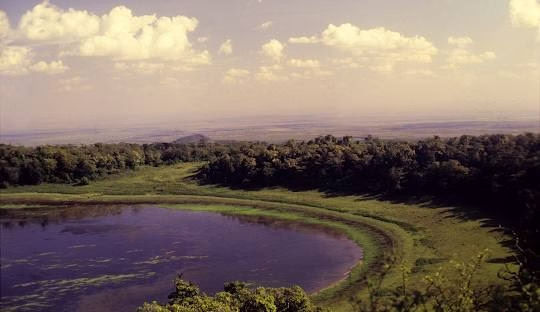

Marsabit National Park
Marsabit National Park – Explore Kenya’s Remote Wilderness Gem
Marsabit National Park lies in northern Kenya, far from the usual safari routes. It offers a rich mix of landscapes, wildlife, and culture. This park provides a unique safari experience for travelers seeking adventure and peace away from busy parks like Maasai Mara or Amboseli.
Location and Getting There
Marsabit National Park surrounds Marsabit town, which sits on the slopes of Mount Marsabit. The park covers about 1,500 square kilometers (580 square miles). Marsabit town is approximately 560 kilometers north of Nairobi. You can reach it by road, but the journey takes about 10 to 12 hours on rough roads. Many travelers prefer small charter flights from Nairobi’s Wilson Airport, landing at Marsabit airstrip near the park.
Stunning Landscapes and Natural Features
Marsabit offers diverse environments all in one park. It features volcanic hills, dense indigenous forests, open savannahs, and dry riverbeds. Mount Marsabit rises to 1,707 meters (5,600 feet) and holds thick cedar and bamboo forests on its slopes.
Waterfalls and natural springs scatter across the park, including the famous Lake Paradise. These water sources attract wildlife and create green patches in the otherwise dry region.
Rich Wildlife Population
Despite its remote location, Marsabit hosts impressive wildlife. You will find elephants roaming the forest and savannah. Large herds of buffalo wander the plains. Predators like leopards and hyenas roam the park but remain elusive. Common antelope species include gerenuk, oryx, and lesser kudu.
Primates such as olive baboons and vervet monkeys live in the forests. Birdwatchers will delight here, as Marsabit supports over 350 bird species. Notable birds include the rare Sokoke pipit, Marsabit bushshrike, and African fish eagle.
Activities and Experiences
Visitors to Marsabit National Park can enjoy various activities:
- Game Drives: Guided 4×4 drives take you through forests, savannahs, and volcanic craters to spot wildlife.
- Birdwatching Tours: Expert guides help you find and identify rare and endemic bird species.
- Nature Walks: Explore forest trails on foot to observe plants, birds, and smaller wildlife.
- Cultural Visits: Meet the Rendille and Borana communities who live near the park. Learn about their traditional lifestyles, crafts, and customs.
- Photography: The park’s varied landscapes and wildlife offer stunning photo opportunities, especially from Mount Marsabit’s viewpoints.
Accommodation Options
Marsabit offers a range of lodges and campsites, mostly simple and rustic to match the park’s remote feel. Options include:
- Mount Marsabit Lodge: overlooks the forest with comfortable rooms and local cuisine.
- Himo Lodge: A basic lodge near Marsabit town with essential amenities.
- Camping: Designated campsites inside the park provide a closer-to-nature experience for adventurous travelers.
Why Visit Marsabit National Park?
Marsabit is perfect for travelers who want to explore off-the-beaten-path Kenya. It offers:
- A peaceful safari away from crowded parks.
- Unique landscapes combining forest, savannah, and volcanic hills.
- Rich biodiversity, including rare birds and diverse mammals.
- Cultural immersion with local pastoralist communities.
- Opportunities for adventure, hiking, and nature photography.
Travel Tips for Marsabit
- The best time to visit is during the dry seasons from January to March and July to October for better wildlife viewing.
- Pack sturdy hiking shoes and binoculars for birdwatching.
- Bring insect repellent, sun protection, and sufficient water, as facilities are limited.
- Hire an experienced local guide to enhance your experience and safety.
Final Thoughts
Marsabit National Park stands out as one of Kenya’s hidden gems. It offers a rich and varied safari experience for those willing to travel off the usual tourist path. With stunning scenery, diverse wildlife, and welcoming local communities, Marsabit promises unforgettable memories.