
What Does the Name Mgahinga Mean?
What Does the Name Mgahinga Mean?
Mgahinga meaning. Mgahinga is more than just a name. It holds cultural, historical, and geographical meaning rooted in the traditions of the local people and the towering landscapes of southwestern Uganda.
The Meaning of “Mgahinga”
The name Mgahinga comes from the local Rufumbira and Kinyarwanda dialects, spoken by communities living near the Virunga Mountains. In these languages, “Gahinga” means a pile of volcanic stones or small volcanic rocks typically found on the lower slopes of volcanoes.
Local farmers used these stones to clear their land before cultivation. The word Mgahinga is the possessive form of Gahinga, meaning “the place of small volcanic stones.”
So, Mgahinga directly translates to “a place where there are small piles of volcanic stones.” This ties the name closely to both the volcanic landscape and the traditional farming practices of the region.
Mgahinga’s Volcanic Roots
Mgahinga Gorilla National Park sits in the shadow of three extinct volcanoes—Mount Muhabura, Mount Gahinga, and Mount Sabyinyo—all part of the Virunga Range. These volcanic peaks have shaped not just the topography but also the cultural identity of the region.
- Mount Gahinga, from which the park partly gets its name, is the smallest of the three volcanoes.
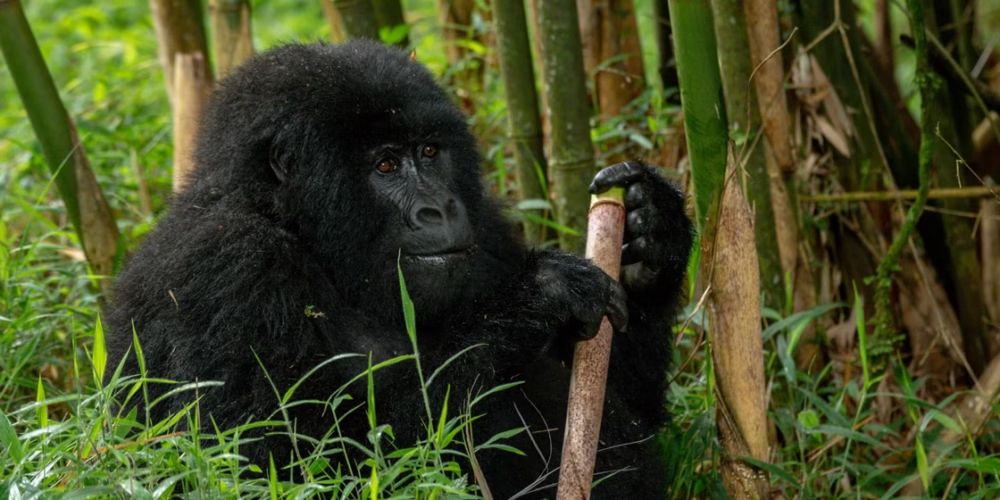
- Its summit has a swampy caldera that’s surrounded by thick bamboo forests, home to golden monkeys and mountain gorillas.
- The terrain is littered with small volcanic stones, or gahingas, reinforcing the meaning of the name.
Cultural Significance
To the Batwa people—the original forest dwellers of the region—Mgahinga is a sacred place. It served as their hunting grounds, their home, and their spiritual refuge.
- The Batwa consider the forests and volcanoes sacred.
- Volcanic rocks were used to build temporary shelters and traditional granaries.
- Every pile of stone tells a story of survival and adaptation.
The name Mgahinga carries these stories forward, echoing the bond between land and people.
Conservation and Meaning Today
Mgahinga isn’t just a national park; it’s a symbol of Uganda’s efforts to conserve both biodiversity and heritage. Declared a park in 1991, Mgahinga now plays a critical role in protecting:
- Endangered mountain gorillas
- Rare golden monkeys
- Unique Afro-montane vegetation
The park’s name still reflects its volcanic past, but it also now stands for conservation, eco-tourism, and cross-border collaboration with Rwanda and the Democratic Republic of Congo.
Plan Your Tour
Planning a visit to Mgahinga Gorilla National Park means entering a land where culture, nature, and history converge. Whether you’re here to track gorillas, climb volcanoes, or walk the Batwa trail, Mgahinga offers a deeply personal connection to Uganda’s western highlands.
To get started:
- Book your gorilla or golden monkey permit early. Mgahinga offers a quieter, more exclusive experience than other parks.
- Prepare for high altitudes. The park’s elevation ranges from 2,227m to over 4,127m above sea level.
- Contact Uss. They add value with cultural insights and on-the-ground expertise.
- Combine your trip with visits to Lake Bunyonyi, Bwindi, or even Rwanda’s Volcanoes National Park.