
What to Bring When Hiking Rwenzori Mountains
What to Bring When Hiking Rwenzori Mountains – Complete Packing Guide
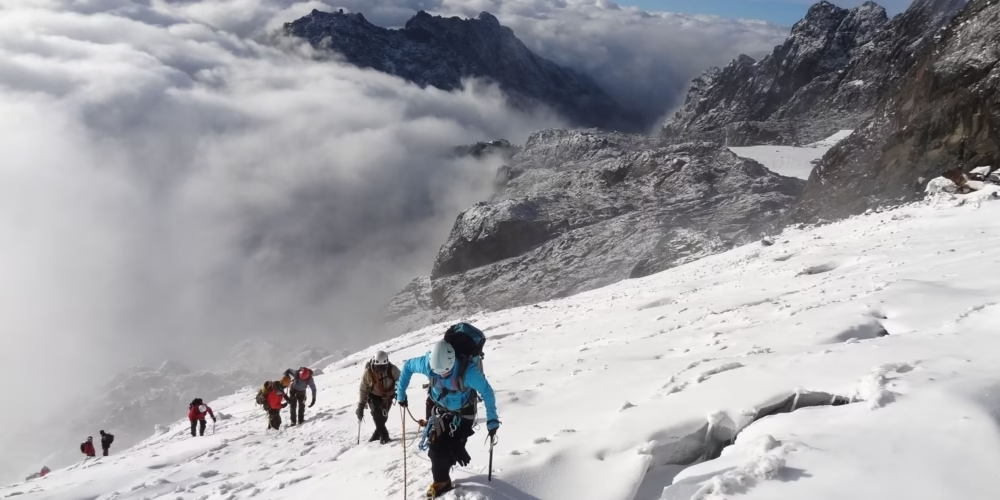
Rwenzori trekking gear. The Rwenzori Mountains, also known as the “Mountains of the Moon,” provide a rare alpine trekking experience in the heart of Africa. Located in western Uganda near the border with the Democratic Republic of Congo, this UNESCO World Heritage Site is known for its glacier-capped peaks, dense forests, and high-altitude bogs. To hike these rugged and wet mountains successfully, you must pack appropriately. Here’s a detailed guide on what to bring when hiking the Rwenzori Mountains.
Essential Clothing for All Conditions
Layering is key. Start with moisture-wicking base layers to manage sweat, then add an insulating fleece or down jacket for warmth. On top, wear a waterproof, breathable shell jacket to shield against rain and wind. Trekking trousers and thermal leggings are ideal for cold and wet conditions. Don’t forget essentials like a warm hat, sun cap, waterproof gloves, and several pairs of thick hiking socks. Quick-dry T-shirts and long-sleeved shirts protect from sun and insects while adapting to altitude changes.
Proper Footwear for Challenging Terrain
Your hiking boots should be waterproof, durable, and offer ankle support. The Rwenzoris are muddy and steep, especially in the lower forest zones. Make sure your boots are well broken in to avoid blisters. Gaiters can help keep your lower legs dry and free from mud. Bring camp shoes or sandals for relaxing at the huts in the evening.
Trekking Gear and Daily Essentials
Carry a comfortable daypack (30–45L) with a rain cover for daily use. Your porters will carry the main bag, but your daypack should contain water, snacks, extra layers, and a camera. Trekking poles are extremely helpful in steep, slippery, or boggy sections. Use a hydration bladder or water bottles (3L total), and treat water using tablets or a filtration system. A headlamp is essential for early morning starts, especially near summits, and always carry spare batteries.
Sleeping Gear for Cold Nights
Nights in the Rwenzoris can get very cold, especially above 3,000 meters. A four-season sleeping bag rated to at least -10°C is recommended. A lightweight sleeping mat adds extra comfort and insulation. While some huts offer mattresses, bringing your own liner or inflatable pad improves hygiene and warmth.
Personal Hygiene and Toiletries
You’ll need eco-friendly soap, a toothbrush, biodegradable toothpaste, and a fast-drying towel. Sunscreen, insect repellent (especially in lower altitudes), lip balm, and hand sanitizer are essential. Toilet paper and wet wipes are useful where facilities are basic. A small quick-access bag for these toiletries helps during long trekking days.
Electronics and Documentation
Capture the stunning Rwenzori landscapes with a good-quality waterproof camera or smartphone. Due to limited electricity, pack a fully charged power bank or solar charger. Protect your documents—passport, visa, park permits, travel insurance, and cash—in a dry bag or waterproof wallet.
Extra Items for Comfort and Safety
Snacks such as protein bars, nuts, and dried fruit keep your energy up on tough climbs. Electrolyte sachets help replace minerals lost through sweat. A basic first-aid kit with altitude sickness medication, painkillers, and blister treatment is necessary. A multitool, notebook, whistle, and ziplock bags for waste also come in handy.
Final Thoughts
Preparing well for your Rwenzori hike ensures not only your comfort but also your safety. The weather changes quickly, and the terrain is physically demanding, so having the right gear lets you focus on the rewarding journey. With glaciers, giant lobelias, waterfalls, and panoramic peaks, the Rwenzori Mountains offer one of the most unique trekking experiences in Africa—and being properly equipped makes it even more memorable.