
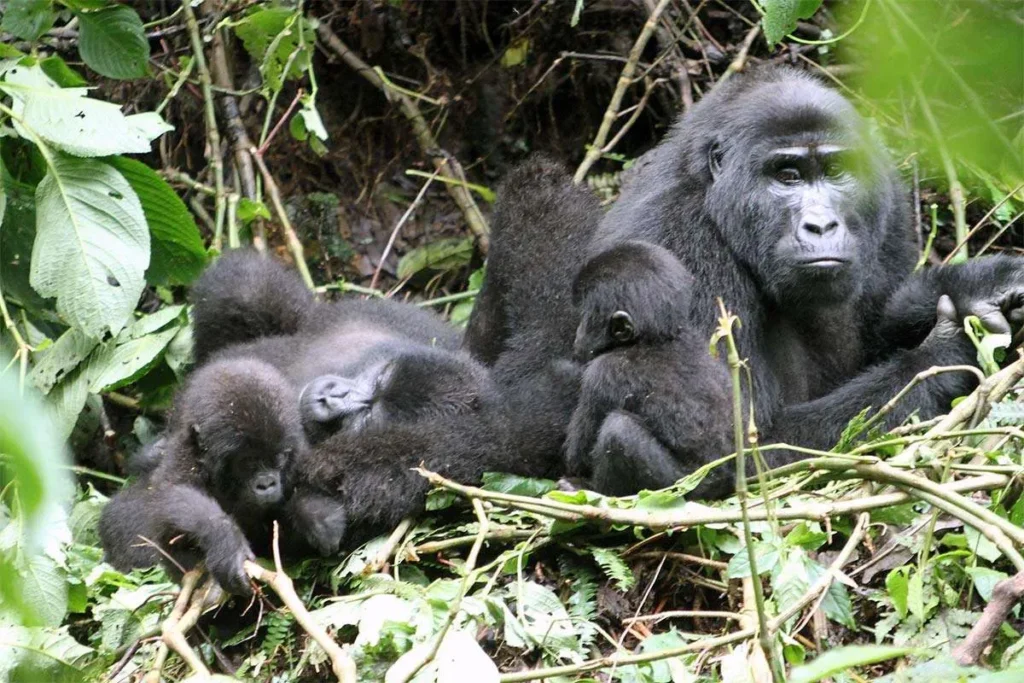
Nshongi Gorilla Family in Bwindi
Nshongi Gorilla Family in Bwindi: History, Location and Trekking Guide The Nshongi Gorilla Family holds an important place…
Read article →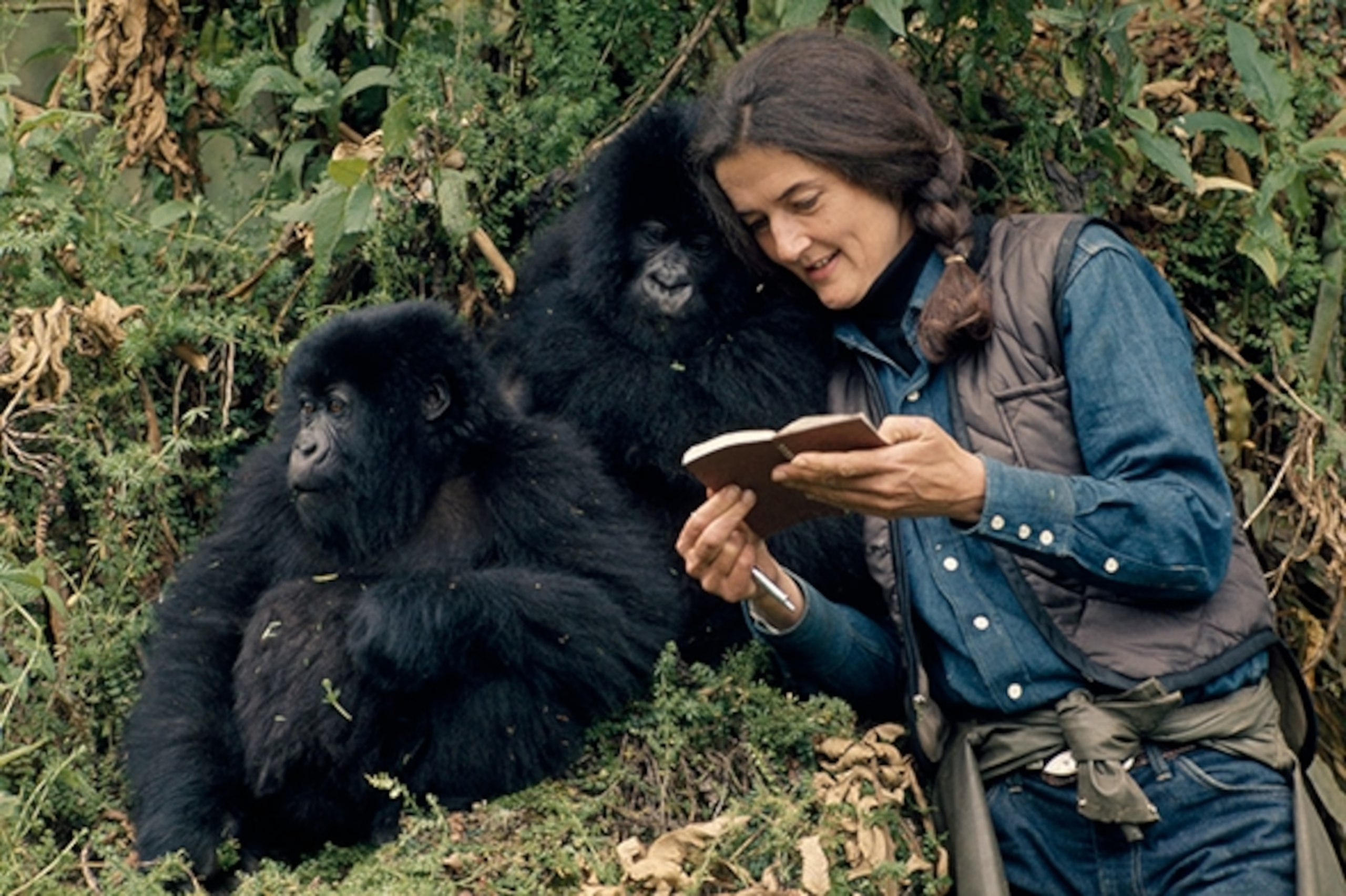
Blog
Dian Fossey’s name is forever linked with the survival of the mountain gorilla. Her fierce dedication, groundbreaking research, and unshakable courage turned global attention toward a species on the brink of extinction. Though she died in…
Extraordinary Encounters
Last a Lifetime
Dian Fossey’s name is forever linked with the survival of the mountain gorilla. Her fierce dedication, groundbreaking research, and unshakable courage turned global attention toward a species on the brink of extinction.
Though she died in 1985, her legacy continues through conservation efforts across Rwanda, Uganda, and the Congo. Today, thanks in part to her work, mountain gorillas are no longer critically endangered.
Dian Fossey was an American primatologist and conservationist. In 1967, she founded the Karisoke Research Center in Rwanda’s Volcanoes National Park. There, she began daily studies of wild mountain gorillas — observing their behavior, social structure, and family bonds.
Her work proved that gorillas were not aggressive beasts but intelligent, peaceful animals with rich emotional lives.
Fossey did more than research. She took a bold stand against poaching — removing traps, confronting poachers, and even forming her own anti-poaching patrols.
This made her both admired and controversial. But it saved lives. During her time at Karisoke, gorilla deaths from poaching in her study groups dropped dramatically.
Her efforts helped stop the slow, silent disappearance of these great apes.
Her book, Gorillas in the Mist, came out in 1983 and brought the plight of mountain gorillas to the world stage. She combined scientific observations with personal stories, and the book became a best-seller.
In 1988, filmmakers adapted the book into an award-winning film starring Sigourney Weaver. The film inspired new generations of conservationists and travelers alike.
On December 26, 1985, someone murdered Dian Fossey in her cabin at Karisoke. Authorities never solved the crime, but many people believe her strong fight against poaching and illegal park activity led to her death.
Loved ones buried her in the Virunga Mountains, near the grave of her favorite gorilla, Digit, who died at the hands of poachers. Her grave continues to attract people who honor her legacy.
Today, the Dian Fossey Gorilla Fund continues her mission. The organization supports gorilla research, anti-poaching efforts, local education, and forest protection.
Mountain gorilla populations have grown from fewer than 250 in Fossey’s time to over 1,000 individuals now — a major conservation success.
Her research at Karisoke laid the foundation for everything we know about gorilla behavior today.
Though Fossey worked mainly in Rwanda, her influence shaped conservation across East Africa. In Uganda’s Bwindi Impenetrable National Park, gorilla tourism and research follow principles she helped establish: protect the animals, respect their space, and involve local communities.
Conservation groups in Uganda, like the Uganda Wildlife Authority and international NGOs, build on her model of direct protection and education.
Visitors to Uganda or Rwanda can learn more about Dian Fossey’s legacy through gorilla trekking experiences, museum exhibits, and guided tours.
At Volcanoes National Park, you can hike to the ruins of her original Karisoke camp and pay respects at her grave. In Bwindi, you can witness the thriving gorilla families whose survival was made possible by her pioneering work.
Travel not only to see gorillas—travel to understand and support their continued protection.

Nshongi Gorilla Family in Bwindi: History, Location and Trekking Guide The Nshongi Gorilla Family holds an important place…
Read article →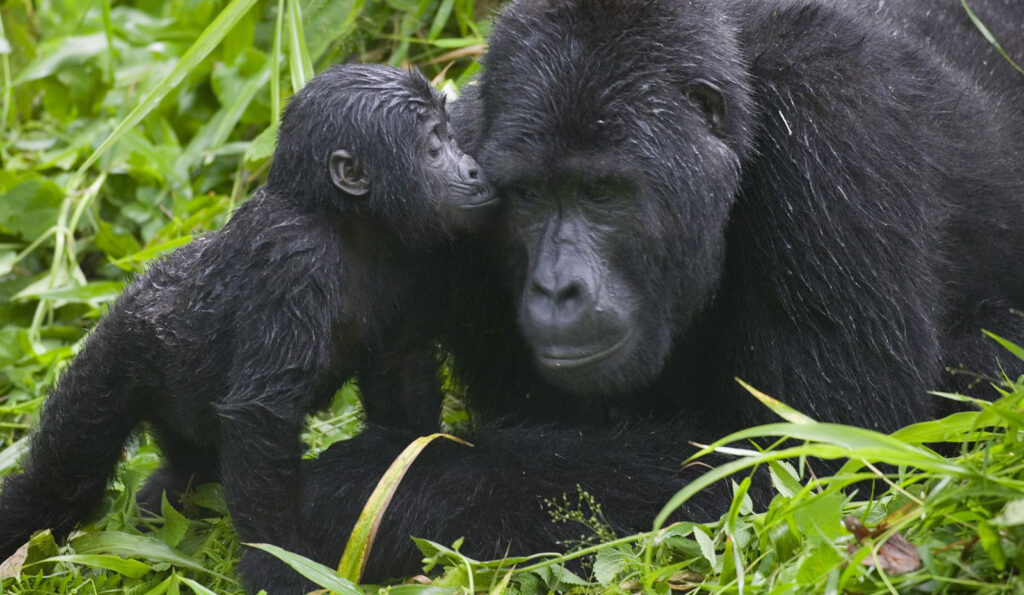
Mishaya Gorilla Family in Bwindi: History, Trekking and What to Know The Mishaya Gorilla Family is one of…
Read article →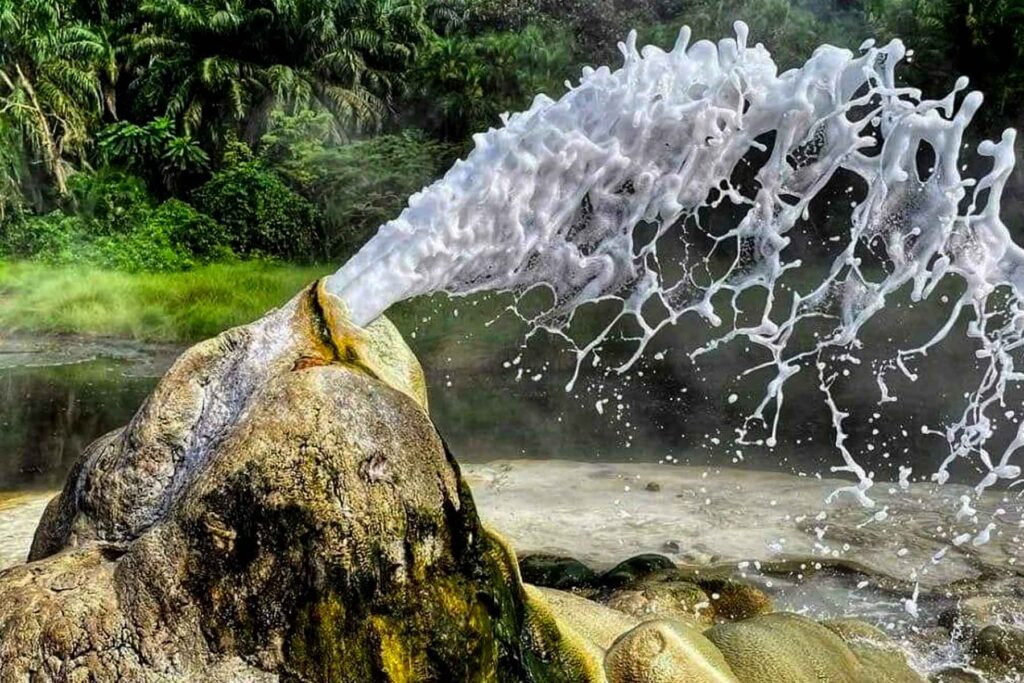
Semuliki Hot Springs Visit Guide: What to Expect Semuliki Hot Springs offers one of the most unusual natural…
Read article →
Kidepo Valley Remote Safari Guide: What to Expect Kidepo Valley National Park offers one of Uganda's most remote…
Read article →