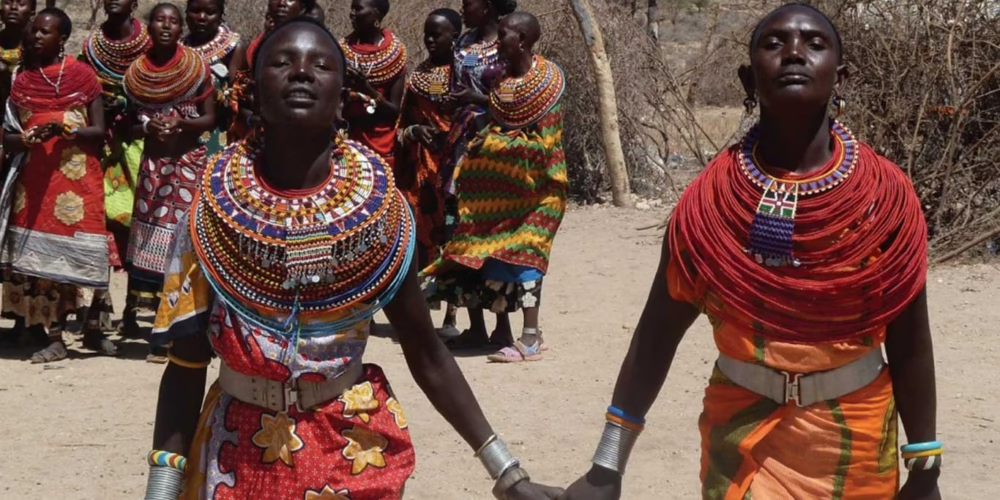

Cultural Encounters in East Africa
Cultural Encounters in East Africa
Cultural encounters East Africa. East Africa is a region of stunning landscapes and rich traditions. But beyond the savannahs and mountains, it is the people and their cultures that leave the deepest impression.
From the highlands of Uganda to the coastal towns of Kenya and Tanzania, East Africa offers countless opportunities for meaningful cultural encounters. These experiences help travelers connect with the heartbeat of the region — its communities, customs, and everyday life.
Meeting Indigenous Communities
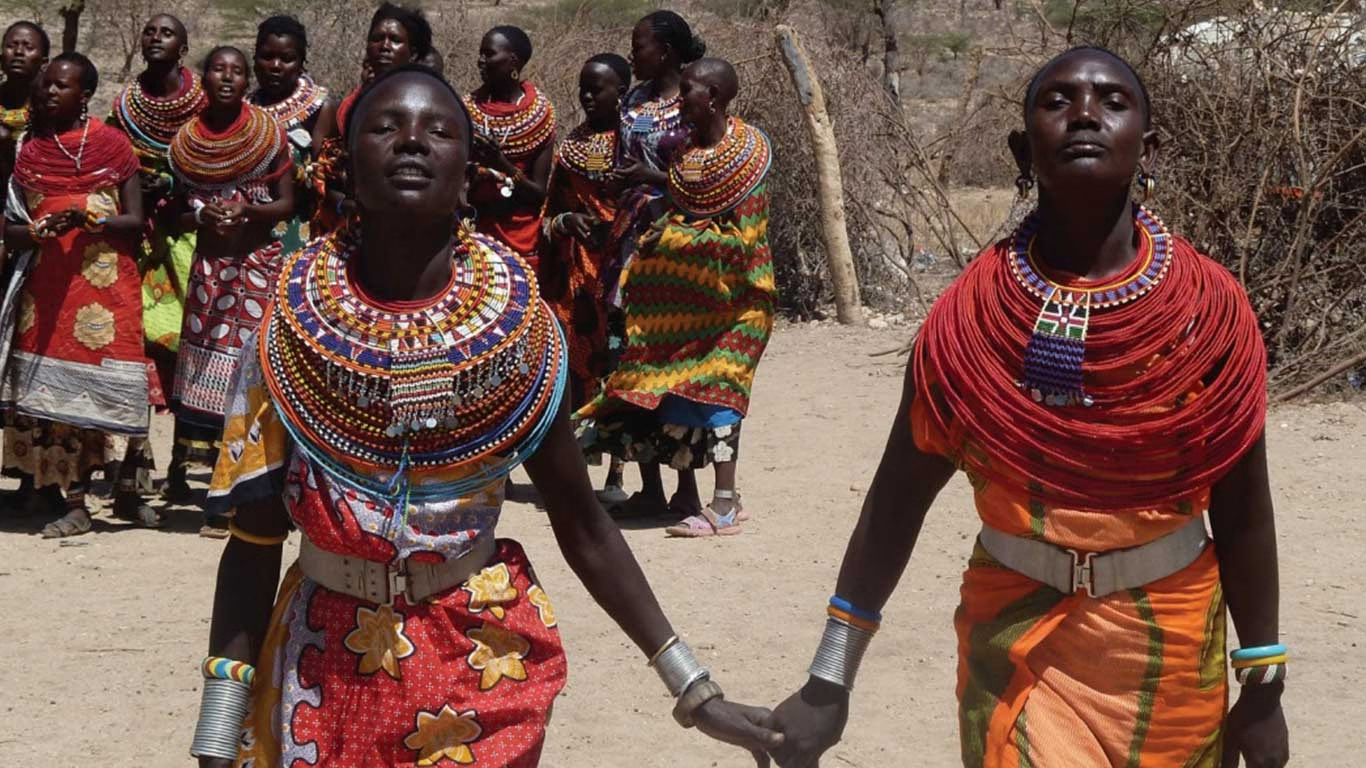
East Africa is home to many indigenous groups, each with distinct languages, beliefs, and ways of life.
In northern Tanzania and southern Kenya, the Maasai people are known for their bright red attire, intricate beadwork, and warrior traditions. Many villages welcome visitors for cultural tours, where guests can learn about cattle herding, traditional housing, and age-old rituals.
In Uganda, the Batwa people (often called forest pygmies) offer insight into hunter-gatherer life. Once inhabitants of the Bwindi Forest, the Batwa now share their music, stories, and bushcraft through guided experiences.
These interactions are best when handled respectfully, with permission and proper local guidance.
Music, Dance, and Storytelling
Music and dance are central to life in East Africa. They are used for celebration, worship, healing, and storytelling.
In Uganda, Bakisimba and Larakaraka dances reflect royal tradition and courtship. In Kenya, Taarab music blends Swahili poetry with Arabic instruments, especially along the coast.
Participating in a local performance — whether at a village event or community center — creates lasting memories. Drumming, chanting, and traditional instruments draw you into the rhythm of the culture.
Cultural Markets and Crafts
Markets in East Africa are vibrant, colorful, and full of life. In Kampala’s Buganda Road Craft Market, artisans sell handmade jewelry, bark cloth, and woven baskets. Nairobi’s Maasai Market offers beaded belts, wooden sculptures, and traditional fabrics.
Buying directly from artists supports local economies and helps preserve traditional skills.
Many workshops also allow visitors to make their own crafts under the guidance of local artisans.
Cuisine and Culinary Encounters
East African cuisine is rich and varied. Dishes like matoke (steamed green bananas), nyama choma (grilled meat), and ugali (maize porridge) are staples across the region.
Cooking classes and food tours allow travelers to taste local flavors and learn how meals reflect history, migration, and social structure.
Sharing food is also a powerful act of hospitality in East African culture.
Religious and Spiritual Traditions
Religion plays a key role in daily life across East Africa. Christianity and Islam are widespread, but many communities blend traditional beliefs with modern faiths.
Visiting historic sites like Namirembe Cathedral in Uganda or the Old Town mosques in Zanzibar opens a window into spiritual life.
Respectful observation or participation in religious festivals deepens your understanding of East African identity.
Responsible Cultural Tourism
Not all cultural encounters are equal. Choose experiences that are community-led and ethically organized. These support local livelihoods while preserving dignity and authenticity.
Avoid exploitative tours or those that turn sacred traditions into performances. Ask questions, seek permission before photos, and show respect for local customs.
Plan Your Visit
To truly experience East Africa, go beyond the wildlife safaris. Spend time in a village, take part in a dance, learn to cook a local dish, or visit a traditional healer.
Let your trip become a cultural exchange—where you learn, share, and grow. The real beauty of East Africa lies not just in its landscapes but in its people.