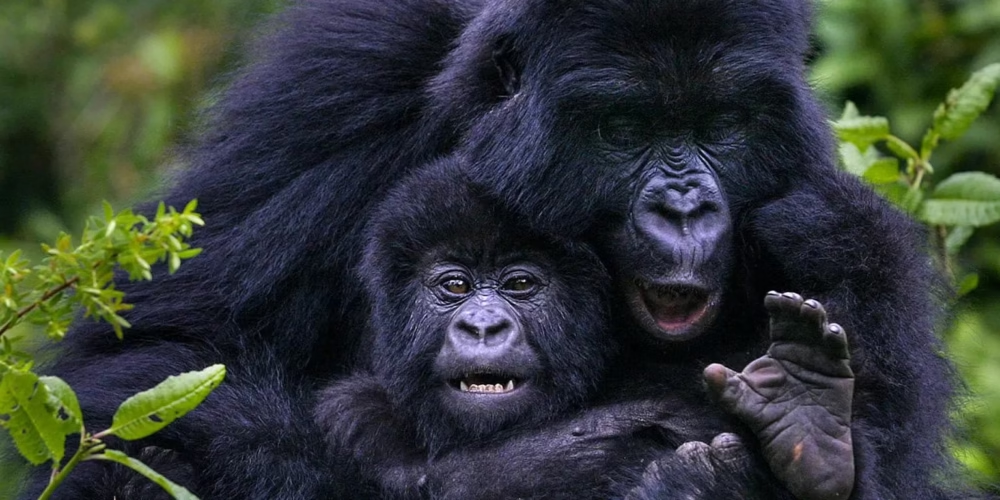

The Evolution of Gorilla Trekking in Uganda
The Evolution of Gorilla Trekking in Uganda
Gorilla trekking in Uganda has transformed dramatically over the past decades. From a rare and challenging adventure to one of East Africa’s top wildlife experiences, the journey reflects conservation success, community involvement, and tourism growth.
Understanding this evolution helps travelers appreciate the history behind their magical encounter with mountain gorillas.
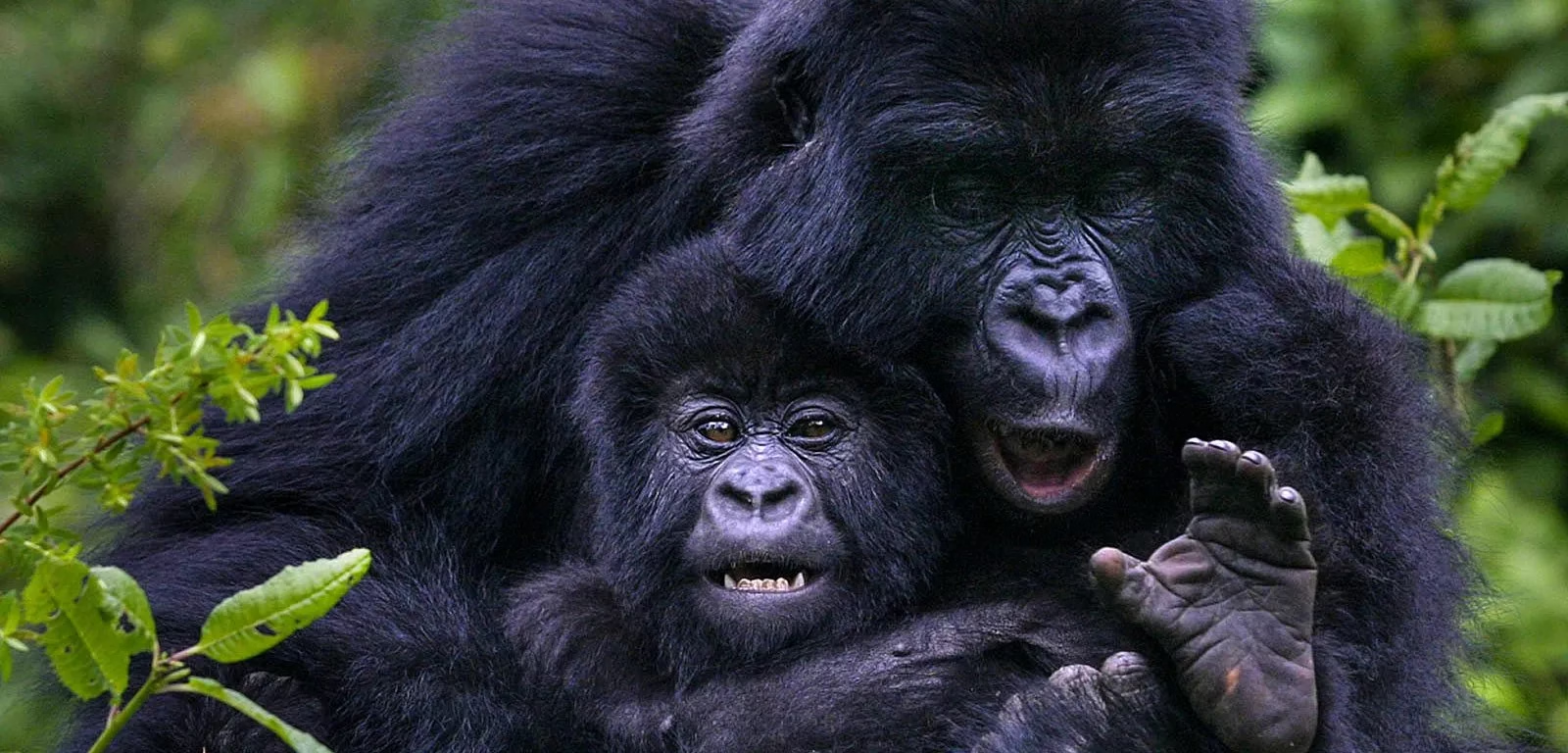
Early Days: Discovery and Habituation
Mountain gorillas were once feared and poorly understood. In the 1950s and 60s, researchers like George Schaller began studying these great apes. But it wasn’t until Dian Fossey’s pioneering work in the 1970s that gorilla trekking gained global attention.
At first, trekking was informal and risky. Habituation — the process of getting gorillas used to humans — took years. Early treks involved long hikes through dense forests, uncertain gorilla sightings, and minimal infrastructure.
Establishment of National Parks and Authorities
The Ugandan government created protected areas like Bwindi Impenetrable National Park (1991) and Mgahinga Gorilla National Park (1991) to safeguard gorillas and their habitat.
The Uganda Wildlife Authority (UWA) was established to manage wildlife, enforce anti-poaching laws, and regulate tourism. This institutional support brought more structure, safety, and funding to gorilla trekking.
Growth of Gorilla Tourism
As habituation improved, more gorillas became accessible to visitors. Permit systems were introduced to limit daily visitor numbers and raise conservation funds.
By the 2000s, gorilla trekking became a major tourism driver. Lodges and camps developed around Bwindi and Mgahinga, offering comfortable stays and guided treks.
Community Involvement and Benefits
Local communities near gorilla habitats became active partners in conservation. Revenue-sharing programs ensure that a portion of permit fees funds schools, health clinics, and infrastructure.
Employment opportunities in guiding, portering, and hospitality help reduce poverty and poaching risks.
Conservation Challenges and Adaptations
Despite successes, gorilla trekking faces challenges:
- Poaching threats require constant ranger patrols
- Human diseases risk transmission to gorillas
- Environmental changes impact habitat quality
Strict rules on visitor behavior, permit caps, and health screenings were introduced to protect gorillas.
Modern Innovations
Today, Uganda offers a variety of gorilla experiences, from traditional treks to gorilla habituation visits. Technology aids tracking and monitoring. Ecotourism principles guide sustainable development.
Gorilla trekking has become a model for balancing wildlife protection with tourism benefits.
Plan Your Safari
When you trek gorillas in Uganda, you join a story of dedication, resilience, and hope. Your visit supports conservation, communities, and a fragile ecosystem.