
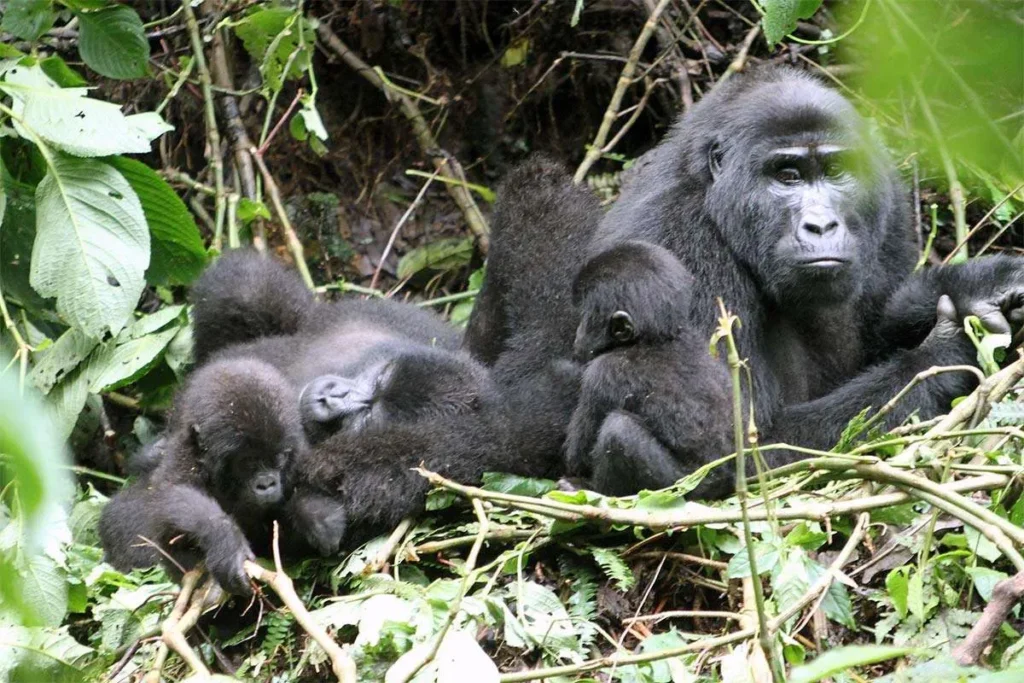
Nshongi Gorilla Family in Bwindi
Nshongi Gorilla Family in Bwindi: History, Location and Trekking Guide The Nshongi Gorilla Family holds an important place…
Read article →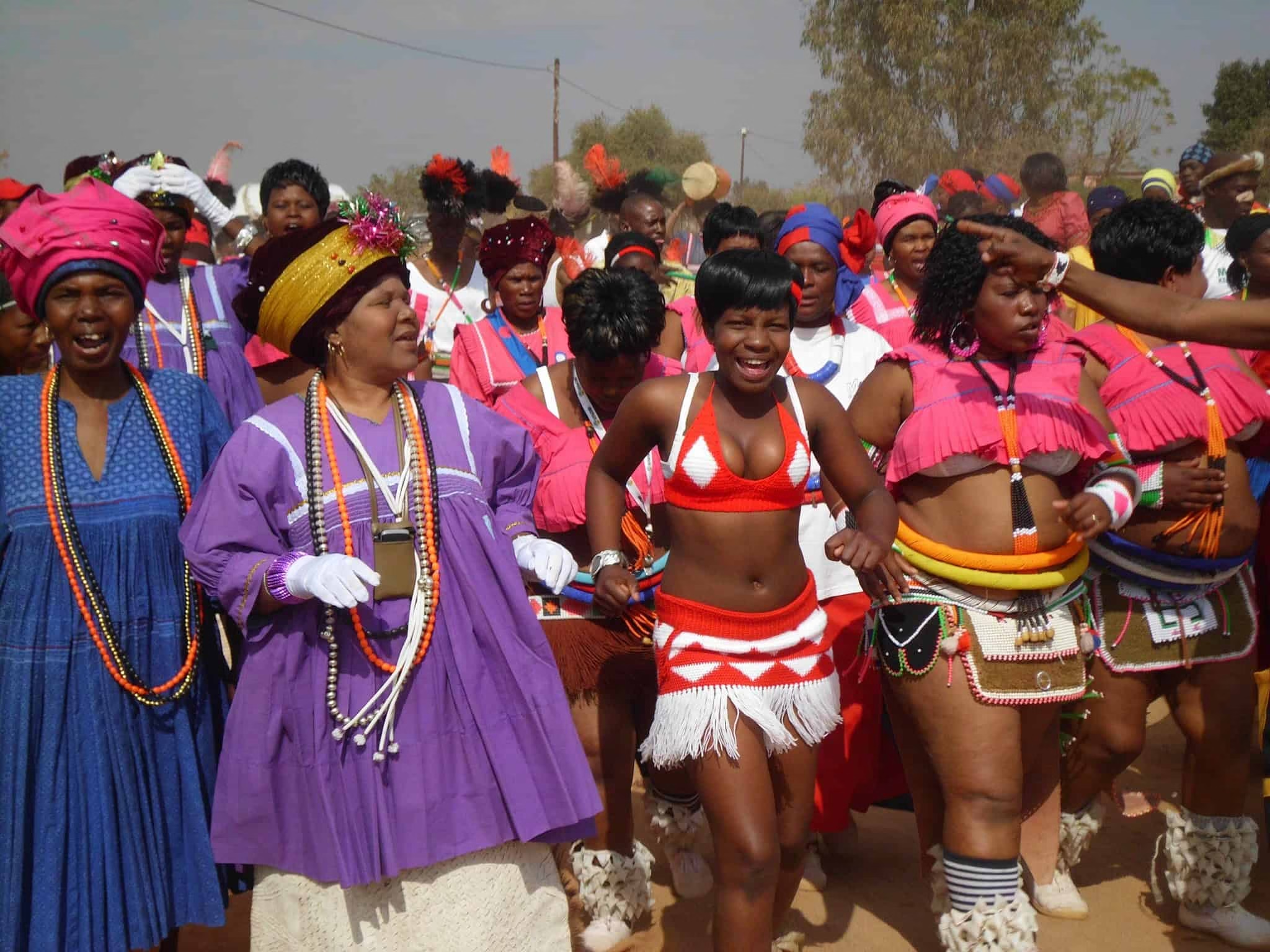
Blog
South Africa is one of the most linguistically diverse nations in the world. With 11 official languages, multiple indigenous tongues, and a growing number of immigrant languages, the country is a true reflection of Africa’s cultural…
Extraordinary Encounters
Last a Lifetime
South Africa is one of the most linguistically diverse nations in the world. With 11 official languages, multiple indigenous tongues, and a growing number of immigrant languages, the country is a true reflection of Africa’s cultural mosaic.
Language in South Africa is not just a means of communication. It is tied to identity, heritage, and political history, especially in the post-apartheid era.
South Africa recognizes 11 official languages, giving equal status to each under the Constitution. These are:
This inclusive approach reflects the government’s commitment to respecting all ethnic groups and preserving indigenous languages once marginalized by colonial and apartheid policies.
With over 11 million native speakers, isiZulu is the most widely spoken first language. It is dominant in KwaZulu-Natal and used in homes, schools, and traditional ceremonies.
IsiXhosa is spoken by about 8 million people, mainly in the Eastern Cape. It is known for its complex system of clicks and deep oral traditions.
A product of Dutch colonization, Afrikaans is the third most spoken first language. It evolved in South Africa and is widely used in the Western Cape and parts of the Northern Cape.
Though only spoken as a first language by less than 10% of the population, English dominates business, media, education, and government. It is the language of social mobility and is widely understood across all ethnic groups.
These Sotho-Tswana languages are commonly spoken in Gauteng, Free State, Limpopo, and North West. Each represents a major cultural community.
Spoken mainly in the Limpopo Province, these languages are unique to smaller ethnic communities but have equal constitutional recognition.
IsiNdebele is used in Mpumalanga and Gauteng, while SiSwati is common in Eswatini-bordering regions of Mpumalanga.
| Language | Primary Region(s) |
| isiZulu | KwaZulu-Natal, Gauteng |
| isiXhosa | Eastern Cape, Western Cape |
| Afrikaans | Western Cape, Northern Cape |
| English | Urban centers across all provinces |
| Sepedi | Limpopo |
| Setswana | North West, Northern Cape |
| Sesotho | Free State, Gauteng |
| Xitsonga | Limpopo |
| Tshivenda | Northern Limpopo |
| isiNdebele | Mpumalanga |
| SiSwati | Mpumalanga, Eswatini border |
South Africa is also home to several non-official and immigrant languages, such as:
South African schools typically offer instruction in home languages in early grades, shifting to English or Afrikaans as the medium of learning in higher grades.
While English dominates urban and global discourse, many education advocates push to improve access to mother-tongue instruction, particularly in rural areas where learners often struggle in English-based environments.
All 11 official languages appear on official documents, ballots, public notices, and even banknotes. Public broadcasters like SABC provide news and entertainment in every major language.
However, English and Afrikaans still dominate the commercial media landscape. Efforts continue to ensure equal airtime and access for all languages.
South Africa faces the risk of language extinction among smaller indigenous languages. The government and NGOs promote language revitalization programs, including:
Language remains a pillar of heritage, and its preservation is key to cultural continuity.
Whether you’re a traveler, student, or businessperson, understanding South Africa’s languages opens doors to deeper cultural appreciation. Learn a greeting in isiZulu, explore Xhosa click patterns, or attend a local play in Setswana.
By respecting linguistic diversity, we help sustain the identity, dignity, and cultural strength of every South African community.

Nshongi Gorilla Family in Bwindi: History, Location and Trekking Guide The Nshongi Gorilla Family holds an important place…
Read article →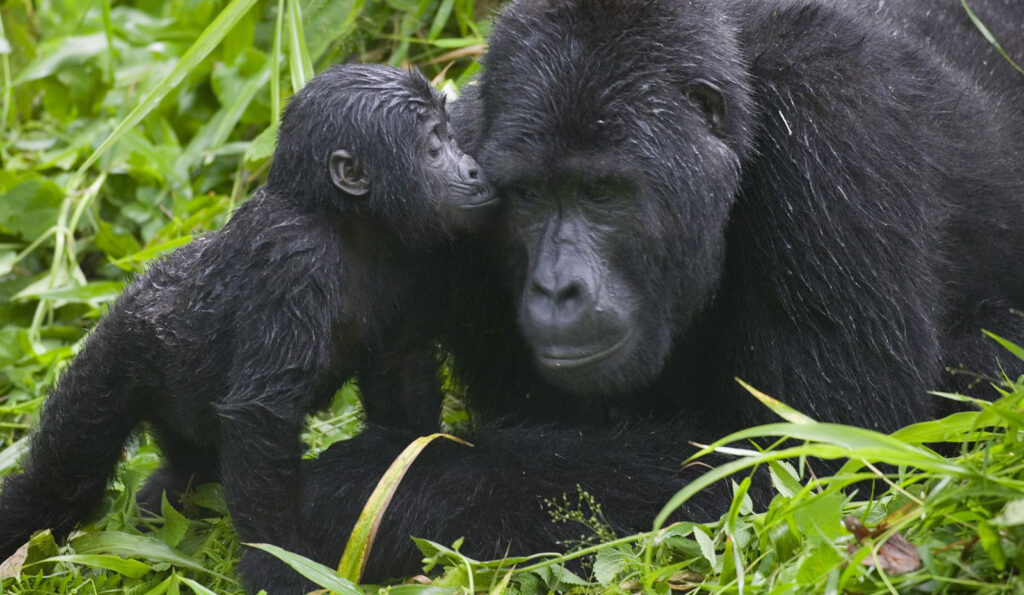
Mishaya Gorilla Family in Bwindi: History, Trekking and What to Know The Mishaya Gorilla Family is one of…
Read article →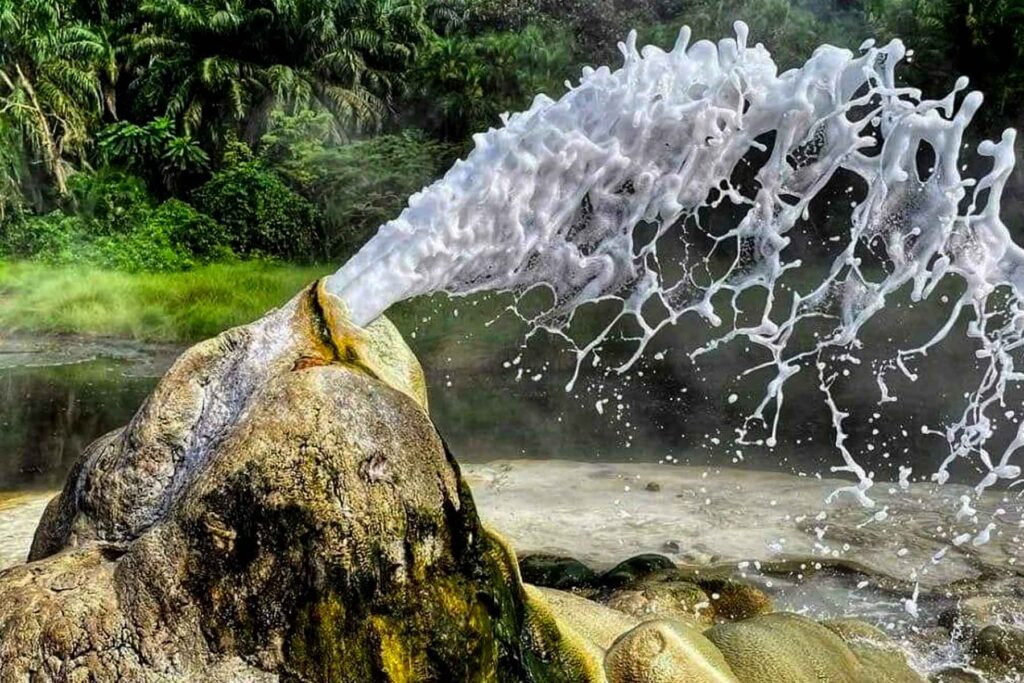
Semuliki Hot Springs Visit Guide: What to Expect Semuliki Hot Springs offers one of the most unusual natural…
Read article →
Kidepo Valley Remote Safari Guide: What to Expect Kidepo Valley National Park offers one of Uganda's most remote…
Read article →