
Animals of the Kalahari Desert.
Animals of the Kalahari Desert: Wildlife of a Harsh Paradise
Kalahari Desert animals. The Kalahari Desert spans Botswana, Namibia, and South Africa. Despite its name, it’s not a true desert. The region receives more rainfall than typical deserts and supports a surprising range of life. Vast sand dunes, scrubland, and seasonal pans form a mosaic of habitats. Here, wildlife thrives under the blazing sun and in the cool night air.
Adaptation Is Key
Animals in the Kalahari must deal with heat, drought, and predators. Most are active during cooler hours. Many species dig burrows or rest in shade. Some get water from food rather than open sources. These strategies let them survive in a dry, demanding land.
Large Mammals of the Kalahari
The open plains of the Kalahari support some of Africa’s iconic species.
Lions roam across the grasslands in search of zebra and antelope. Kalahari lions are slightly bigger, with males often sporting black manes.
Cheetahs, the fastest land animals, also live here. They rely on stealth and bursts of speed to catch prey like springbok.
Leopards hide in trees or rocky outcrops. Solitary and powerful, they can kill animals much larger than themselves.
Elephants appear during the wet season. These giants search for water and vegetation along riverbeds and pans.
Giraffes, with their long necks, browse acacia trees. Their height allows them to spot predators from afar.
Buffalo, though less common, gather in herds near water sources. Their size and strength make them tough prey.
Unique Desert Species
The Kalahari hosts animals found nowhere else or uniquely adapted to this environment.
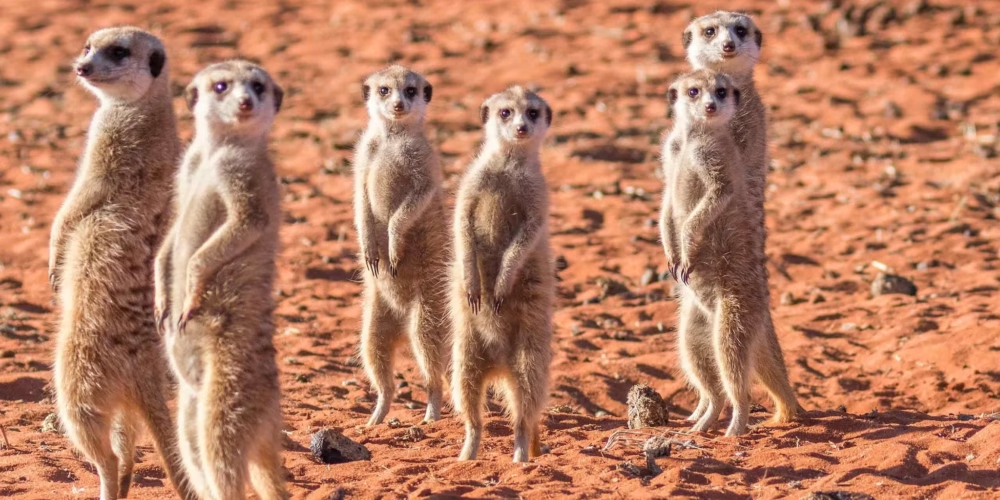
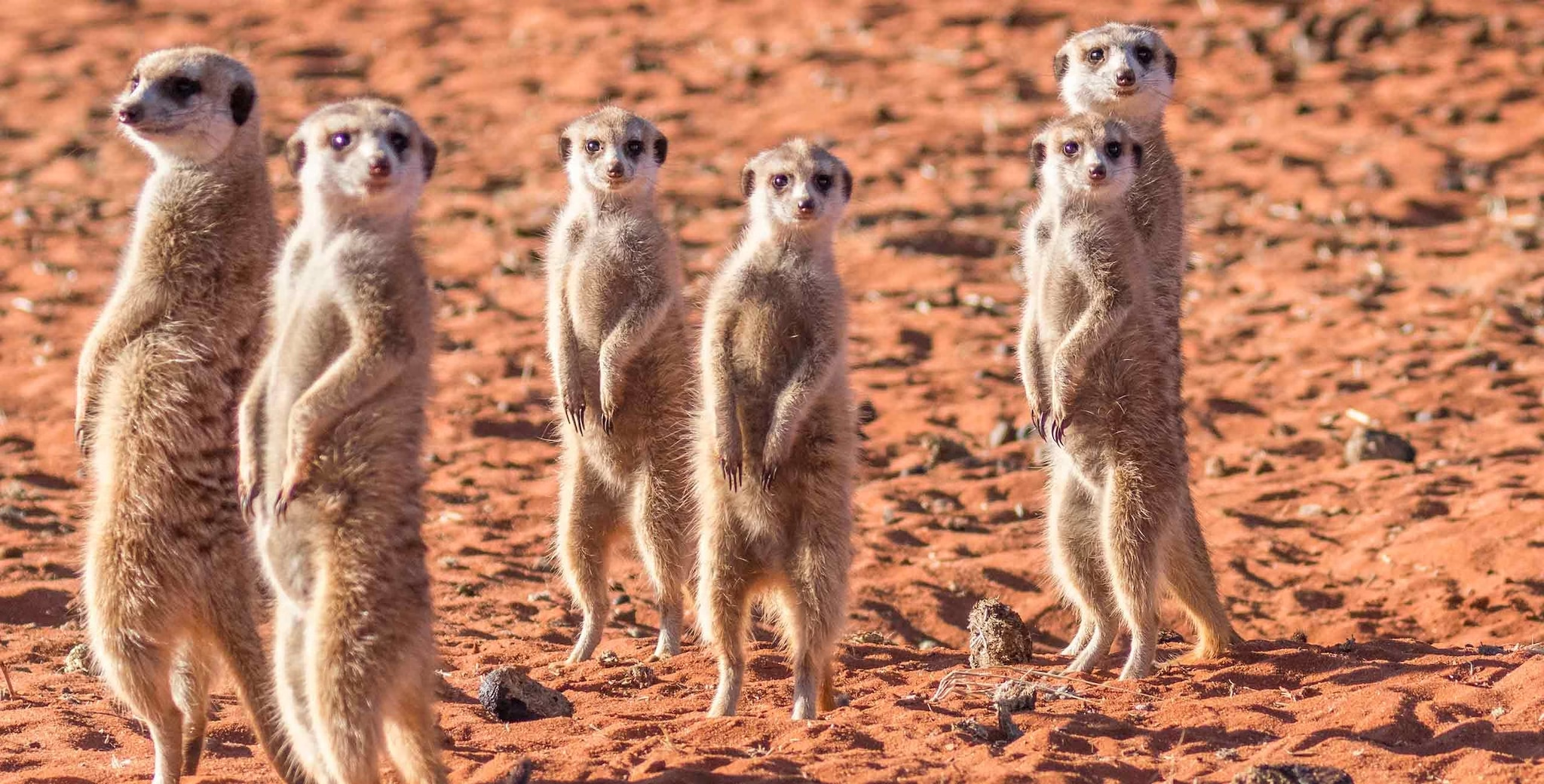
Meerkats are social mongooses that live in tight-knit groups. They dig elaborate burrows and stand upright to watch for hawks and jackals.
Bat-eared foxes use their giant ears to hear insects underground. They feed mostly on termites, beetles, and other small invertebrates.
Aardvarks are nocturnal diggers that search for ants and termites. They use strong claws to break into nests and long tongues to lap up prey.
Honey badgers are fearless omnivores known for raiding beehives and fighting off predators, including lions.
Pangolins, rarely seen, have protective scales and a strong sense of smell to find termite mounds. They curl into a ball when threatened.
Birdlife in the Kalahari
Birds add color and sound to the desert.
Secretary birds walk the plains hunting snakes and insects. They stomp prey with strong legs.
Kori bustards, the heaviest flying birds in Africa, feed on seeds, insects, and small reptiles.
Ostriches, the world’s largest birds, run fast and live in small flocks. They lay eggs in shallow sand nests.
Pale chanting goshawks, hornbills, and sandgrouse also thrive here. Many birds rely on early morning dew or fly long distances to reach water.
Reptiles and Amphibians
Reptiles do well in dry climates.
Monitor lizards, large and alert, patrol pans and termite mounds. They eat eggs, insects, and small mammals.
Horned adders and puff adders lie hidden in the sand, waiting to strike passing prey.
Geckos, skinks, and agamas dart across rocks and dunes, feeding on bugs.
During the wet season, amphibians like bullfrogs emerge from underground, breed in temporary pools, and vanish again until the next rains.
Insects and Invertebrates
The smallest creatures may be the most important.
Termites build massive mounds and feed many animals, from aardvarks to birds.
Beetles, especially in the Namib-Kalahari overlap, collect water from fog on their backs.
Scorpions, spiders, and ants play vital roles in the food web, acting as both predator and prey.
Seasonal Movements and Ecosystem Role
Many animals follow the rains. Herds migrate to pans that hold water after storms. Birds arrive for breeding. Predators follow the movement of herbivores.
Each species, big or small, plays a part. Predators control populations. Grazers shape the vegetation. Insects recycle nutrients. The desert might seem harsh, but it supports one of Africa’s most resilient ecosystems.
Plan Your Safari to the Kalahari
A safari to the Kalahari offers a chance to see rare and fascinating wildlife. Visit Botswana’s Central Kalahari Game Reserve or South Africa’s Kgalagadi Transfrontier Park. Go during the green season (December to April) to see newborn animals, lush grass, and active predators.
Choose a guided experience with experts who know the terrain. Bring binoculars, a good camera, and patience. The Kalahari doesn’t rush—but it rewards those who wait.