
Top 15 African Animals With Horns
Top 15 African Animals With Horns.
African animals with horns. Africa’s landscapes are home to some of the most iconic horned animals in the world. From twisted spirals to deadly spears, these horns serve purposes ranging from self-defense and mating displays to species recognition. Below are the top 15 African animals with horns, featuring details on their horn characteristics, physical features, behaviors, and where to see them in the wild.
-
African Buffalo
Horn Length: Up to 40 inches (100 cm)
Color: Natural black
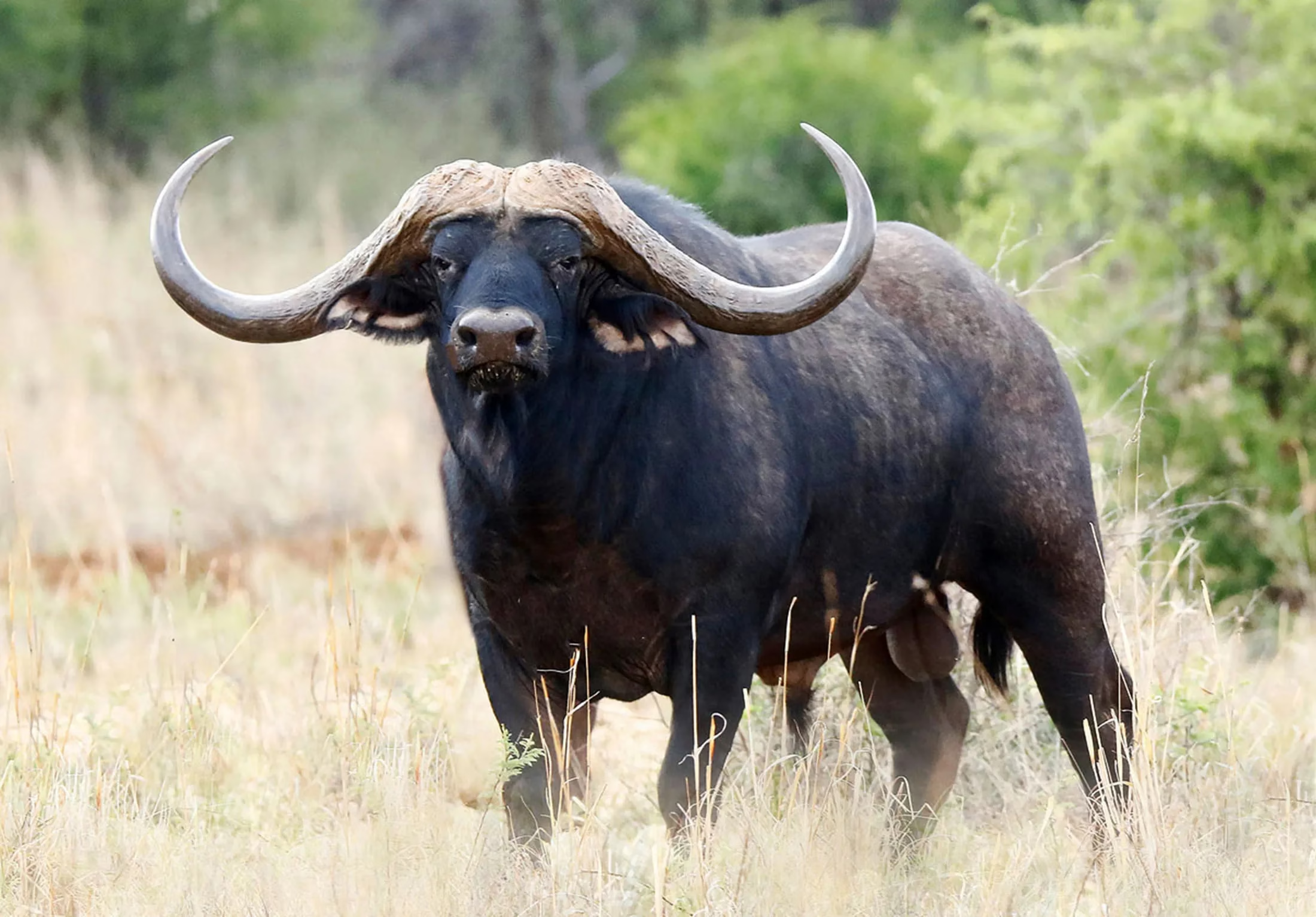
Known as “Black Death,” the African buffalo has horns shaped like a judge’s wig, with a heavy base called a “boss.” Bulls grow broader, thicker horns than cows, and these reach full development around age seven. Buffalos are highly aggressive and impossible to domesticate, using horns and loud grunts to defend themselves or assert dominance.
Best places to see: Okavango Delta and Chobe National Park, Botswana.
-
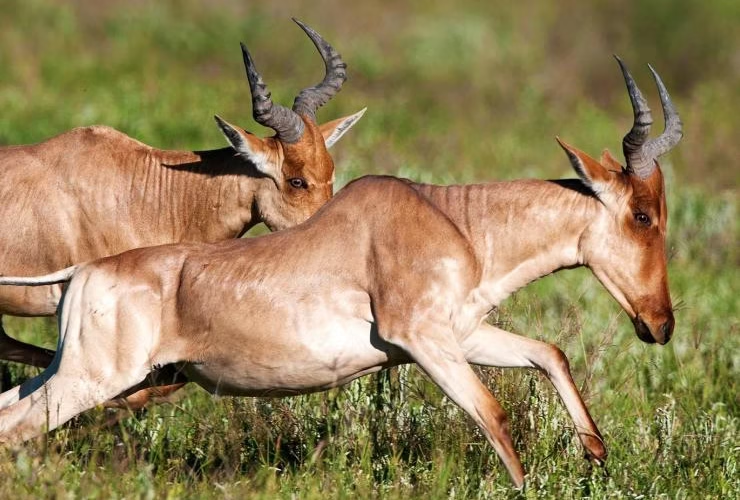
Hartebeest
Horn Length: 18–27 inches (45–70 cm)
Color: Reddish-tawny to dark mahogany
Both sexes grow ridged horns that curve outward then backward. Though awkward in appearance, the hartebeest is one of Africa’s fastest antelopes, capable of reaching 43 mph (69 kph).
Best places to see: Jackson’s Hartebeest in Kidepo Valley and Lelwel in Murchison Falls, Uganda.
-
Greater Kudu
Horn Length: 47–71 inches (1.2–1.8 m)
Color: Dark brown with white tips
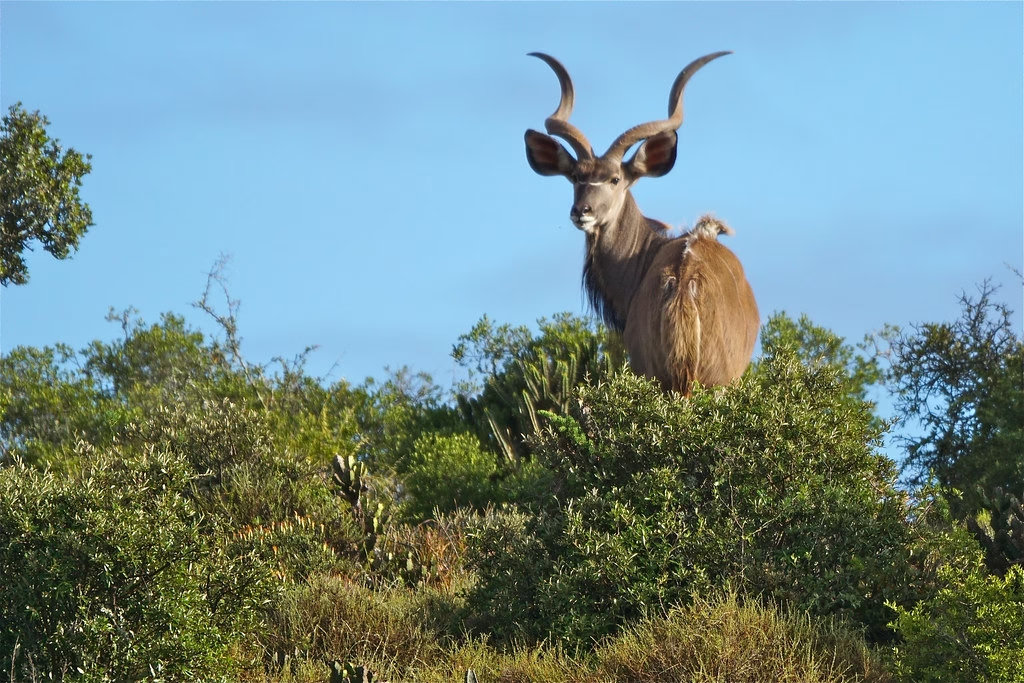
With two-and-a-half twists, greater kudus have the largest horns among African antelopes. Only males bear these iconic spirals, which are used in fights and cultural traditions, such as Kuduzelas and the Shofar.
Best places to see: Etosha National Park, Namibia; Kruger, South Africa.
-
Waterbuck
Horn Length: Up to 40 inches (100 cm)
Color: Starts white, turns yellow with age
Only males grow the ringed, curved horns used in territorial battles—sometimes fatal. Waterbucks are easy to identify by the white circle around their rump.
Best places to see: Chobe National Park, Botswana.
-
Rhinoceros (Black & White)
Horn Length: Black rhino up to 55 inches; white rhino up to 59 inches
Color: Grayish-brown
Rhinos have two keratin-based horns used for defense and digging. Both black and white rhinos are endangered due to poaching. Males are notably heavier than females, with white rhino bulls reaching up to 7,700 pounds.
Best places to see: Matobo Hills National Park, Zimbabwe.
-
Eland
Horn Length: Males 17–26 inches; females 20–27 inches
Color: Black
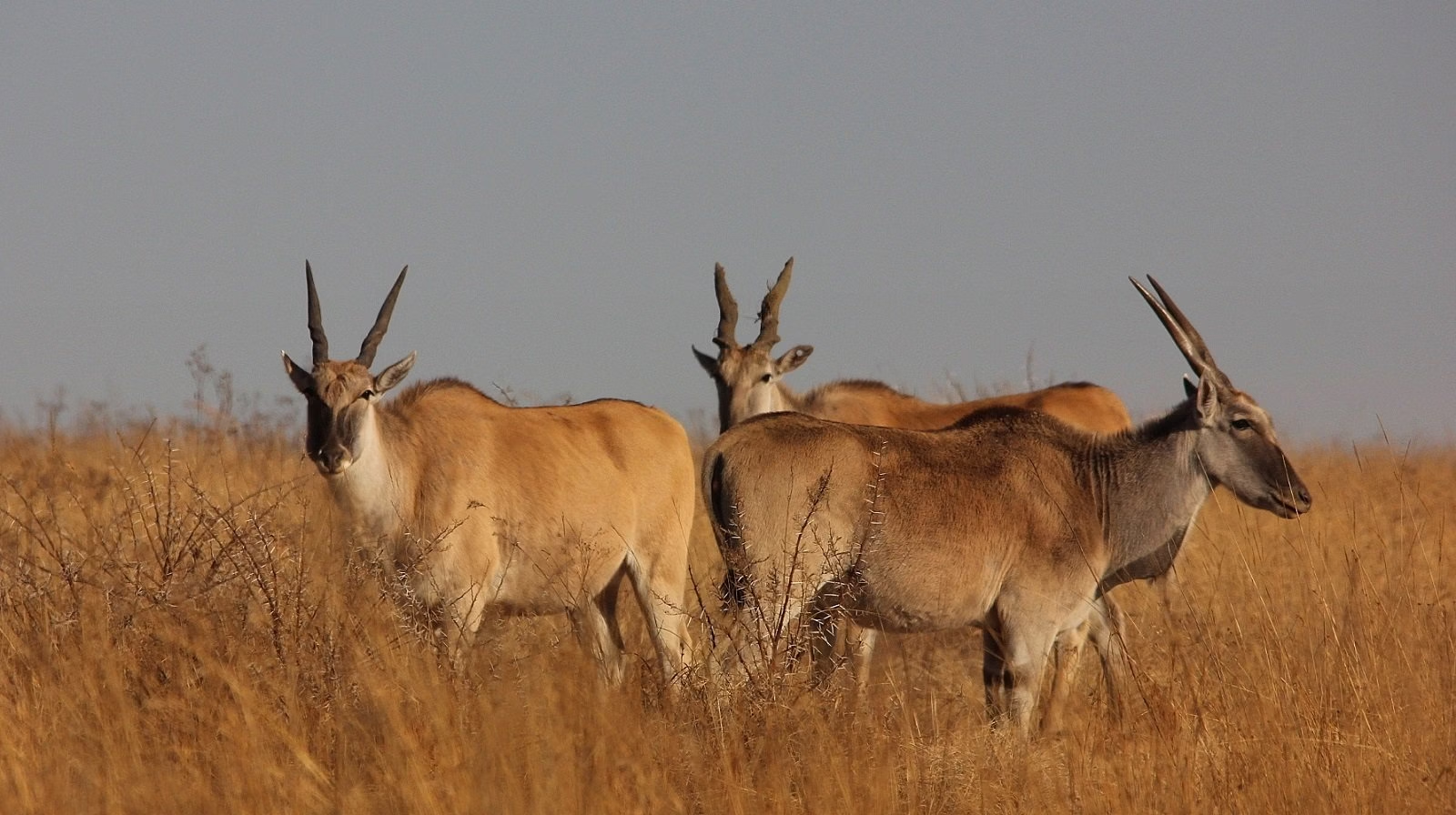
Both sexes have twisted, V-shaped horns. Elands are among the largest antelopes and are sometimes domesticated for milk and meat due to their rich milk yield.
Best places to see: Kruger (South Africa), Etosha (Namibia), Serengeti (Tanzania).
-
Gemsbok
Horn Length: Up to 47 inches (120 cm)
Color: Gray to tan
The straight, deadly horns of the gemsbok are used to defend against predators and once served as spear tips in African people. Both sexes bear horns, but males’ are thicker.
Best places to see: Addo Elephant National Park, South Africa.
-
Impala
Horn Length: 18–36 inches (45–91 cm)
Color: Dark brown
Only males grow lyre-shaped, ridged horns. Agile and fast, impalas use their horns in fierce dominance battles and can leap up to 33 feet in distance.
Best places to see: Kruger National Park, South Africa.
-
Springbok
Horn Length: 14–19 inches (35–49 cm)
Color: Black
Both sexes have backward-curving horns. Springboks are famous for “pronking”—leaping nearly 10 feet in the air to evade predators or show off.
Best places to see: Namib-Naukluft Park, Namibia.
-
Common Duiker
Horn Length: About 4.3 inches (11 cm)
Color: Light brown to gray
Only males grow these short but sharp horns. Despite its size, the duiker plays a legendary role in African folklore, such as the Botswana tale of Chief Khama.
Best places to see: Kruger National Park, South Africa.
-
Scimitar-Horned Oryx
Horn Length: 3.3–3.9 feet (1–1.2 m)
Color: Pale/light
Once extinct in the wild, this desert antelope has been successfully reintroduced. Its long, curved horns may have inspired unicorn legends in ancient Egypt.
Best places to see: Bou Hedma National Park, Tunisia.
-
Wildebeest (Blue & Black)
Horn Length: Males up to 33 inches; females 12–16 inches
Color: Blue-grey or brown
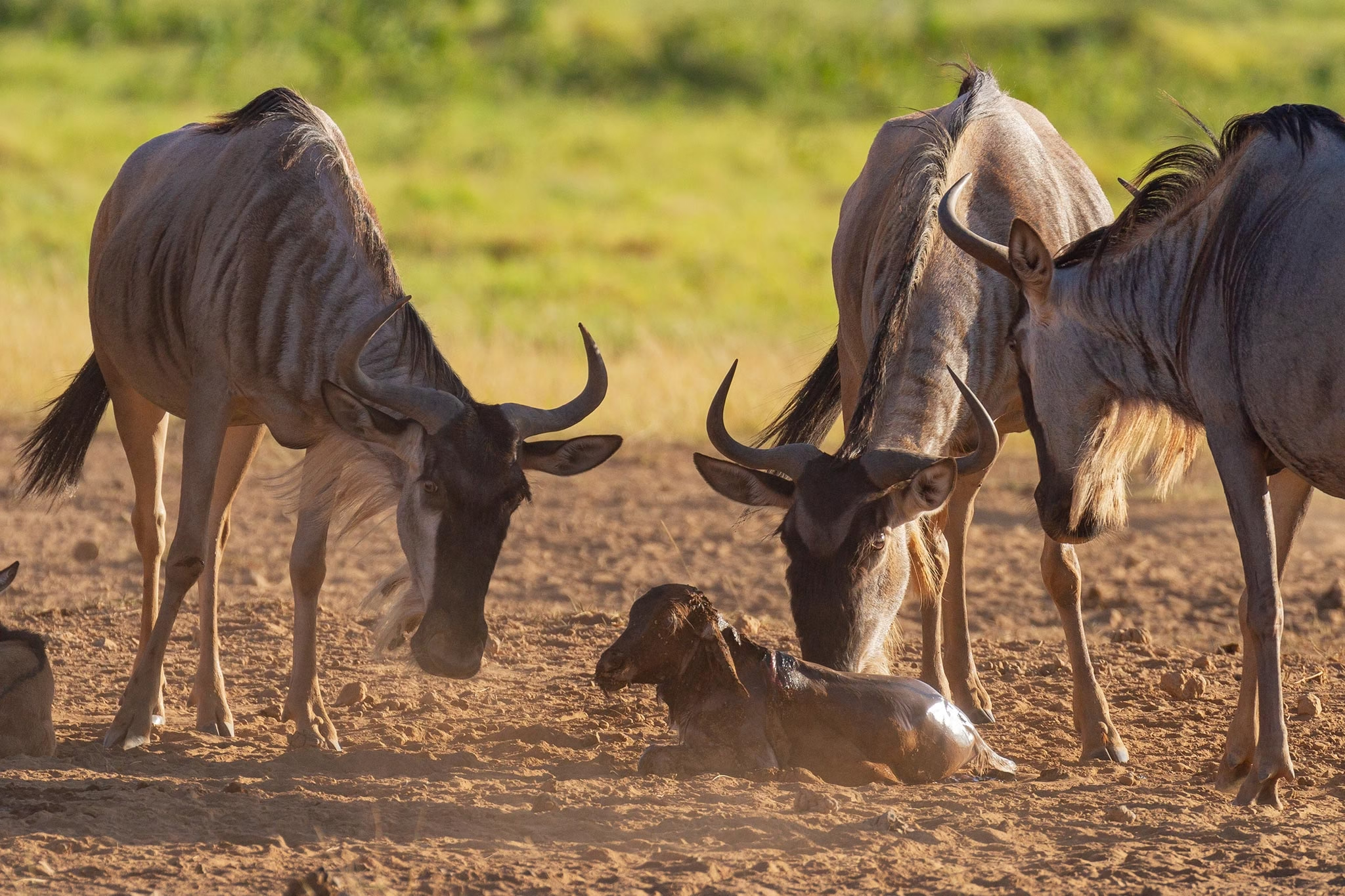
Both sexes have strong horns. Blue wildebeests have outward-curving horns; black wildebeests’ horns curve forward. These are among the most iconic animals of the Great Migration.
Best places to see: Serengeti (Tanzania) to Maasai Mara (Kenya).
-
Topi
Horn Length: 12–16 inches (30–40 cm)
Color: Reddish-purple
Male and female topis both grow ridged, lyre-shaped horns. These antelopes often perch on termite mounds for surveillance and rest.
Best places to see: Akagera National Park (Rwanda), Masai Mara (Kenya).
-
Nyala
Horn Length: 24–33 inches (60–83 cm)
Color: Black with yellow tips
Only males grow horns with one or two twists. Nyalas are highly alert, using sharp senses to detect danger and bark to alert others.
Best places to see: Lengwe National Park (Malawi), also found in Mozambique and Swaziland.
-
Gazelle
Horn Length: Up to 14 inches (35.5 cm)
Color: Dark brown or black

Both sexes have slender, slightly curved horns. Gazelles are lightning-fast, reaching up to 60 mph, and use agility more than brute strength to evade predators.
Best places to see: Masai Mara (Kenya), Serengeti and Tarangire (Tanzania), Samburu and Amboseli (Kenya).
Plan Your Safari to Spot Africa’s Horned Wildlife
From the deserts of Namibia to the savannas of East Africa and the woodlands of southern Africa, these horned animals form an unforgettable part of any safari. Whether you’re looking to photograph a kudu’s spirals or witness the wildebeest migration, choosing the right park will shape your wildlife experience.
Top destinations include Kruger, Serengeti, Maasai Mara, Etosha, Chobe, and Murchison Falls—each offering diverse habitats that support these horned wonders.