
Can Gorillas Swim?
Can gorillas swim?
No, gorillas cannot swim naturally. Like most great apes, gorillas lack the instinctive ability to swim and generally avoid deep water. They have a natural fear of drowning and rarely enter water deeper than their chest. Unlike some primates that enjoy splashing or wading, gorillas stay on dry land or shallow water to keep their massive bodies safe and stable.
Why Can’t Gorillas Swim?
Several factors explain their inability and aversion to swimming:
Heavy, Muscular Bodies
Gorillas have dense muscle mass and low body fat, which makes them less buoyant. Unlike humans, who can float more easily due to body fat distribution, gorillas tend to sink if fully submerged.
Lack of Exposure
Gorillas live in forested mountain or lowland environments with limited access to deep water bodies. Because they don’t grow up near water, they don’t develop swimming behavior through play or necessity.
Instinctive Avoidance
Their evolutionary history has given gorillas a natural aversion to water. Deep water poses a drowning risk, especially since they don’t instinctively hold their breath or paddle like aquatic mammals or some monkeys.
Do Gorillas Ever Enter Water?
Yes—but cautiously.
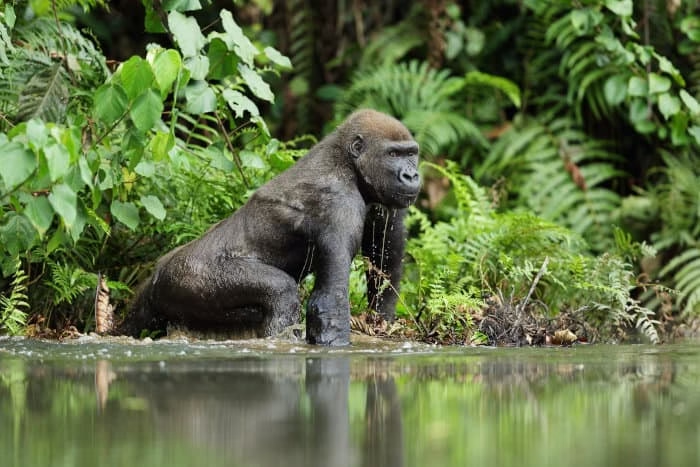
Gorillas may wade through shallow streams or puddles, especially during food searches or while crossing terrain. In such cases, they walk on two legs to keep their arms and chest dry.
There are rare instances in captivity where gorillas have been seen interacting with water more confidently, especially if they were introduced to it gradually. However, there are no reliable reports of wild gorillas swimming voluntarily.
How Do Gorillas React to Rain or Wet Conditions?
Gorillas are used to rain in their tropical habitats and will sit through it without much concern. Their thick fur repels water, and they often seek natural shelter under vegetation. However, they still avoid puddles and flowing streams when possible, especially if it requires full-body exposure.
Do Other Apes Swim?
Swimming varies widely among great apes:
- Chimpanzees and Gorillas: Cannot swim naturally and avoid deep water.
- Orangutans: Like gorillas, they avoid water in the wild, but some captive individuals have learned to swim.
- Humans: Unique among apes in developing widespread swimming ability, mainly due to culture and learning.
- Bonobos: Show similar water avoidance as chimpanzees and gorillas.
Conclusion
Gorillas do not swim, and they instinctively avoid deep water due to their physical makeup and lack of exposure. While they may wade through shallow streams when necessary, full swimming is not part of their natural behavior. Understanding this aspect of gorilla biology helps researchers and tourists better interpret their movements and habitats in the wild.