
Which Country Has the Most Lions?
Which Country Has the Most Lions?
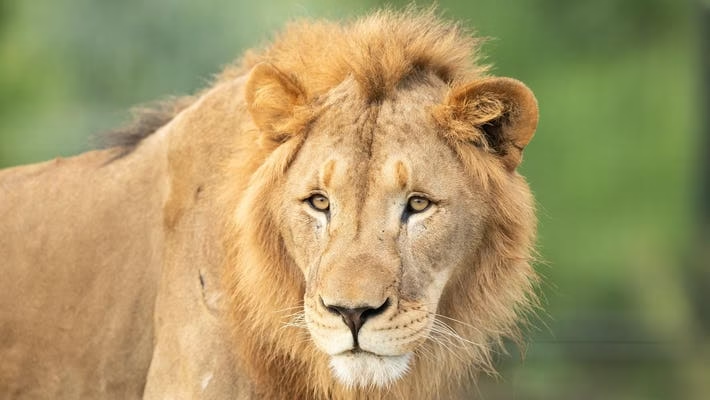
Lions are symbols of power, courage, and wild beauty—but their numbers are declining across much of Africa. With habitat loss, human-wildlife conflict, and poaching putting pressure on these majestic cats, only a few countries now harbor healthy lion populations. So, which country has the most lions left in the wild? The answer is clear: Tanzania.
This post explores why Tanzania leads the world in lion population, how it compares to other countries, and what this means for conservation and safari tourism.
Tanzania: Home to the Most Lions in the World
Tanzania is estimated to have around 14,500 wild lions, more than any other country on Earth. This accounts for over 40% of Africa’s remaining lion population, making Tanzania a vital stronghold for the species. The country’s vast landscapes, expansive national parks, and effective (though imperfect) conservation systems have allowed lions to thrive more than in any other region.
The Serengeti ecosystem alone is home to an estimated 3,000+ lions, living among massive herds of wildebeest, zebras, and antelope. Meanwhile, Ruaha National Park and the Selous Game Reserve—less visited but equally rich in biodiversity—support thousands more.
Why Does Tanzania Have So Many Lions?
Tanzania’s lion dominance is the result of several interrelated factors:
- Expansive protected areas: Tanzania has over 30% of its land mass designated as national parks or reserves—one of the highest proportions globally.
- Iconic ecosystems: The Serengeti, Ngorongoro Crater, Ruaha, and Selous offer abundant prey, water sources, and space—ideal conditions for lion prides to flourish.
- Moderate tourism pressure: While popular, many of Tanzania’s parks are vast enough to avoid the overcrowding seen in smaller safari regions.
- Anti-poaching and monitoring efforts: Conservation groups and the Tanzania Wildlife Authority (TAWA) monitor populations and manage protected corridors, although enforcement remains a work in progress.
How Other Countries Compare
While Tanzania leads, a few other African nations also support notable lion populations:
| Country | Estimated Wild Lion Population |
| Tanzania | ~14,500 |
| South Africa | ~3,284 (mostly in fenced reserves) |
| Botswana | ~3,063 |
| Kenya | ~2,515 |
| Zambia | ~2,349 |
| Zimbabwe | ~1,700 |
| Namibia | ~800–1,000 |
Globally, wild lion numbers are estimated at 20,000–25,000, making Tanzania’s role in lion conservation irreplaceable.
Tanzania’s Top Lion Habitats
- Serengeti National Park:
Famous for its lion density and predator-prey interactions, especially during the Great Migration. This UNESCO World Heritage Site is the most popular destination to witness lions hunting in open plains. - Ngorongoro Crater:
A natural enclosure with year-round water and food sources. It’s often referred to as the “lion’s Eden” due to the high concentration of wildlife in a relatively small area. - Ruaha National Park:
Tanzania’s largest national park, hosting one of the biggest lion populations in East Africa, but far less tourist traffic—ideal for exclusive sightings. - Selous Game Reserve (now Nyerere NP):
Part of a massive protected system, Selous is a remote sanctuary for lions and other large carnivores, including rare African wild dogs.
Conservation Challenges and Responsibilities
Tanzania’s lion population is stable relative to other countries, but not without challenges. Human-wildlife conflict, especially in buffer zones near park boundaries, leads to retaliatory killings when lions prey on livestock. Bushmeat poaching also reduces prey availability, pushing lions closer to villages.
Conservationists are working with local communities on compensation schemes, predator-proof bomas (livestock enclosures), and tourism revenue sharing to turn lions into assets instead of threats.
Protecting lions in Tanzania means:
- Enforcing anti-poaching patrols.
- Expanding protected corridors between ecosystems.
- Supporting community-based conservation.
- Promoting responsible tourism that benefits both wildlife and local livelihoods.
Plan Your Safari to See Lions in Tanzania
If you want to see wild lions in their natural habitat, Tanzania is unmatched. Here’s how to do it:
- Best Time to Visit:
June to October (dry season) offers excellent visibility and predator-prey interaction as animals gather around water sources. - Top Safari Routes:
- Northern Circuit: Serengeti, Ngorongoro, Lake Manyara, Tarangire
- Southern Circuit: Ruaha, Selous (Nyerere NP), Mikumi
- Recommended Experiences:
- Early morning game drives for predator activity
- Walking safaris in Ruaha with armed rangers
- Photographic safaris in Serengeti’s central and western corridors
Choose licensed safari operators who follow ethical wildlife viewing standards and support local conservation efforts.
Final Thought
Tanzania is the undisputed lion capital of the world, home to more than half of East Africa’s wild lions. As other countries lose these majestic animals, Tanzania holds the line—providing the habitat, protection, and management needed for lions to thrive.
Whether you’re a wildlife lover, photographer, or safari-goer, Tanzania offers not just lion sightings—but a chance to support the future of the species.