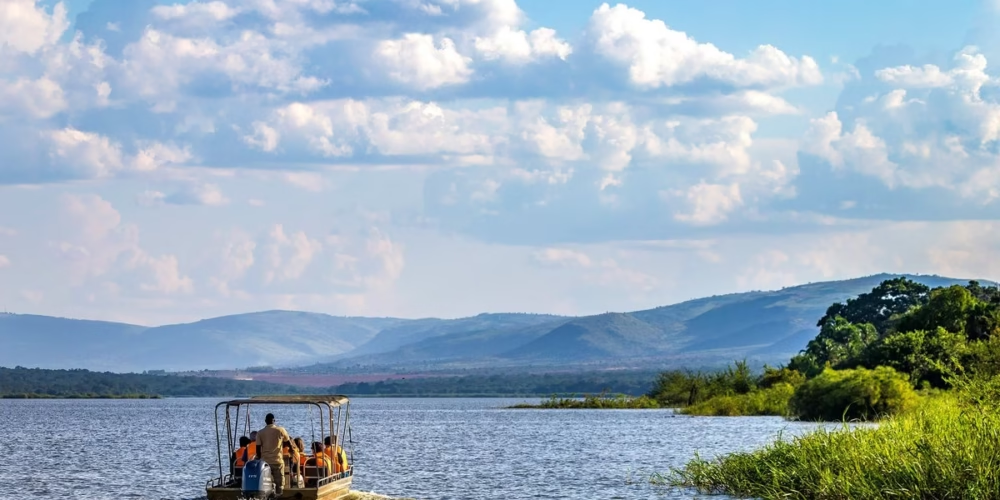

Lake Ihema
Lake Ihema: Rwanda’s Wildlife-Filled Water Wonderland
Lake Ihema, the second-largest lake in Rwanda, lies nestled within the savannah plains of Akagera National Park, near the Tanzanian border. Known for its serene waters, dense papyrus swamps, and abundant wildlife, this freshwater lake is one of Rwanda’s most rewarding natural gems—especially for birdwatchers, nature lovers, and safari-goers.
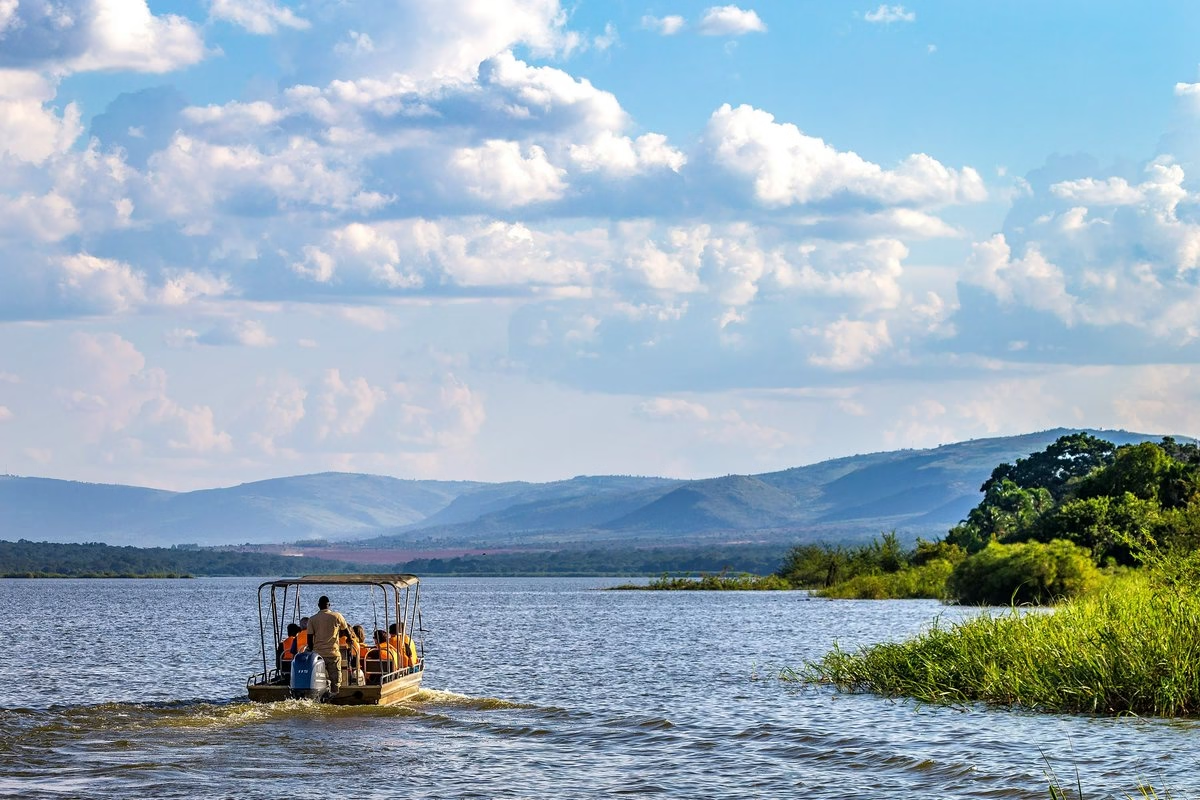
A Glimpse into Lake Ihema
Lake Ihema covers an area of approximately 100 square kilometers and sits at an elevation of about 1,290 meters. Its shores are surrounded by lush vegetation and dotted with aquatic habitats that support a rich variety of flora and fauna. While its surface remains calm and shallow, what lies around and within the lake is an ecosystem teeming with life.
The lake is part of the broader Akagera River system and is fed by seasonal rivers. It plays a vital role in maintaining the ecological balance within Akagera National Park.
Wildlife and Birding Paradise
Lake Ihema is a premier destination for wildlife sightings. Visitors on boat safaris regularly encounter:
- Hippos wallowing in the water in large pods.
- Nile crocodiles basking along the shores.
- Elephants and buffaloes drinking or bathing at the water’s edge.
- Antelope species grazing nearby, especially waterbucks and topis.
What truly sets Lake Ihema apart, however, is its remarkable birdlife. With over 550 bird species recorded in Akagera, many of them thrive around the lake’s wetland fringes. Some notable species include:
- Shoebill stork – rare and elusive, but occasionally spotted here.
- African fish eagle – frequently seen swooping for prey.
- Pied kingfisher, malachite kingfisher, and Goliath heron.
- Papyrus gonolek, Jacanas, Cormorants, and Open-billed storks.
This makes the lake a must-visit for birdwatching in Rwanda, attracting ornithologists and eco-tourists from around the world.
Activities at Lake Ihema
Lake Ihema is best explored by boat safari, an experience that offers a unique perspective on the wildlife and landscape compared to traditional game drives. Most boat trips last about 1–2 hours and are guided by professional park rangers who share insights on the ecology and animal behavior.
Other activities around Lake Ihema include:
- Photography – the combination of water, wildlife, and sky creates perfect frames.
- Nature walks – along designated trails within Akagera’s southern sector.
- Birdwatching tours – often led by expert guides during early morning or late afternoon outings.
Best Time to Visit
The ideal time to visit Lake Ihema is during the dry season (June to September and December to February). During these months, animals congregate more frequently around the lake to drink, and boat safaris are more predictable in terms of weather.
That said, birdwatching is rewarding year-round, especially from November to April when migratory species visit the region.
How to Get There
Lake Ihema lies within Akagera National Park, approximately 2.5–3 hours from Kigali by road. The southern gate of the park (near Kayonza District) is the main access point, and boat trips typically launch from the park headquarters at Lake Ihema’s shore.
Tour operators offer day trips or multi-day safari packages including boat rides on the lake, game drives, and overnight stays in the park’s lodges or camps.
Where to Stay Near Lake Ihema
For a complete Akagera and Lake Ihema experience, several accommodation options cater to different budgets:
- Ruzizi Tented Lodge – eco-luxury with lake views and solar-powered amenities.
- Karenge Bush Camp – seasonal and ideal for nature lovers.
- Akagera Game Lodge – a comfortable lodge with panoramic views of the park.
- Budget-friendly campsites – ideal for self-drive safari-goers or backpackers.
Conservation and Sustainability
Lake Ihema plays a central role in Akagera National Park’s conservation strategy. The lake supports diverse aquatic and terrestrial ecosystems and contributes to the park’s revival as a Big Five destination.
Thanks to collaborations between Rwanda Development Board (RDB) and African Parks, Akagera has undergone major restoration. Wildlife reintroductions, poaching controls, and community engagement have all helped preserve the lake and its surroundings.
Plan Your Visit to Lake Ihema
Lake Ihema offers more than just a scenic backdrop—it brings you face-to-face with raw, untamed beauty. Whether you are gliding past pods of hippos, watching kingfishers dive, or soaking in sunset reflections over calm waters, a visit here is both peaceful and exhilarating.
Make sure to include Lake Ihema on your Rwanda safari itinerary—especially if you seek rich biodiversity, birding excellence, and memorable water-based experiences.