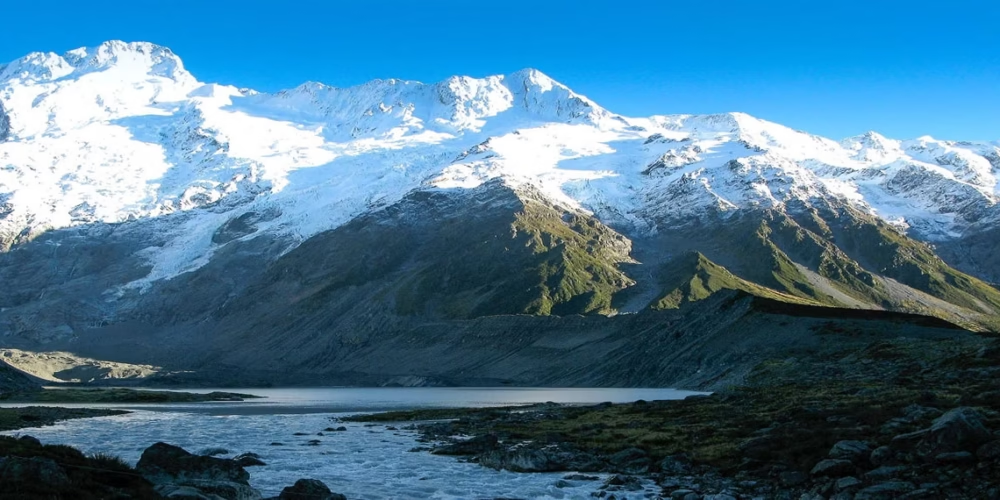

Types of Mountains in Uganda
Types of Mountains in Uganda – Exploring the Country’s Majestic Ranges
Types of Mountains in Uganda. Uganda, known as the “Pearl of Africa,” boasts a variety of mountain types that reflect its complex geology and natural beauty. From ancient volcanic peaks to rugged block-fault ranges, the country’s mountains shape both the landscape and the cultures that live among them. Whether you’re trekking to the snow-capped peaks of the Rwenzoris or hiking the slopes of extinct volcanoes like Mount Elgon, each mountain tells a story of origin, transformation, and diversity.
-
Volcanic Mountains
These mountains are formed by volcanic activity, where molten rock (magma) erupts and cools over time to create massive peaks. Uganda’s volcanic mountains are part of the East African Rift System and are concentrated in the eastern and southwestern regions.
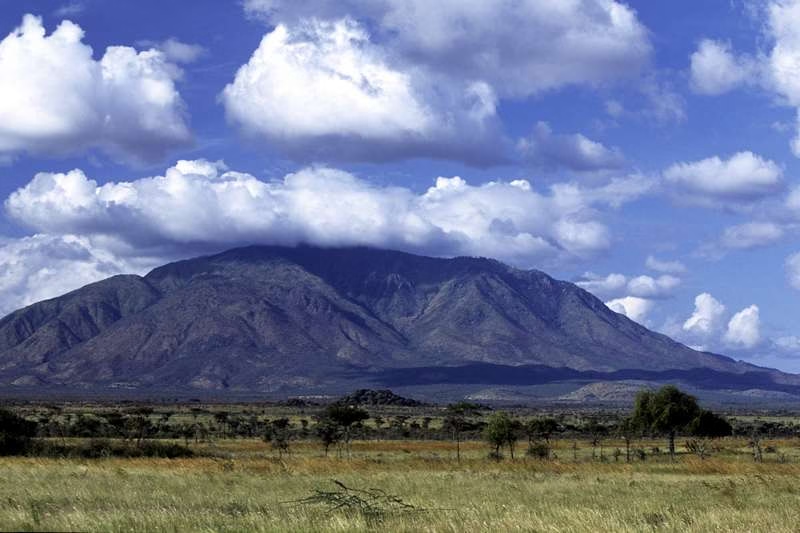
Key Volcanic Mountains in Uganda:
- Mount Elgon – Located on the Uganda-Kenya border, this extinct shield volcano is one of the oldest in East Africa. It has a vast caldera and the second-largest volcanic base in the world.
- Virunga Volcanoes – Uganda shares three of the eight Virunga volcanoes with Rwanda and the DRC: Mount Muhabura, Mount Mgahinga, and Mount Sabinyo. These are located in the far southwest and form part of the Virunga Massif, home to the endangered mountain gorillas.
-
Block Mountains (Fault-Block Mountains)
These are formed through tectonic activity, where sections of the Earth’s crust are pushed up between faults. They tend to have steep sides and flat tops.
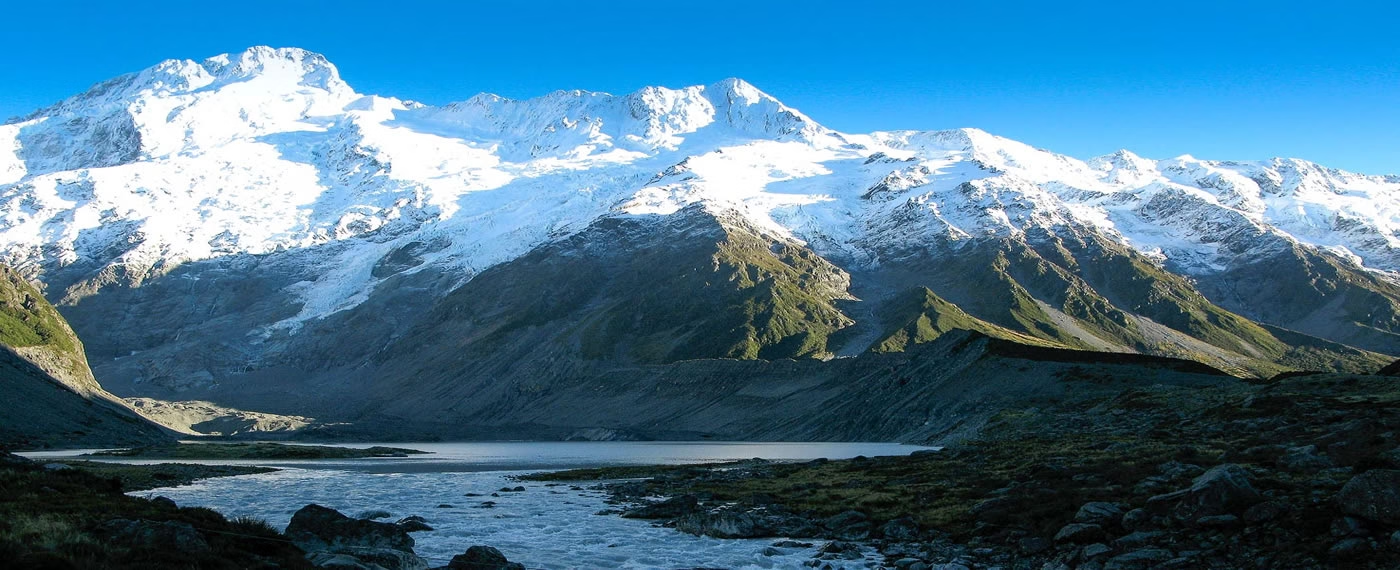
Main Block Mountain in Uganda:
- Rwenzori Mountains – Also known as the “Mountains of the Moon“, the Rwenzori range straddles the Uganda–DRC border. These are block-fault mountains, not volcanic, and they host Mount Stanley, the highest point in Uganda (5,109 meters). The peaks are often snow-capped, and the range features glaciers, alpine meadows, and unique plant species.
-
Residual (Erosion) Mountains
These are formed by long-term erosion processes, where softer materials are worn away, leaving behind hard rock formations. They are usually lower and more rounded.
Notable Residual Mountain:
- Mount Moroto – Found in northeastern Uganda near Karamoja, this mountain is an example of an inselberg (an isolated residual mountain rising abruptly from the surrounding terrain). It offers stunning hikes and is home to the Tepeth people.
- Mount Kadam – Also in eastern Uganda, it is less known but rises impressively in the Karamoja region.
- Mount Napak – Another isolated peak in Karamoja, showcasing ancient rock formations shaped by erosion over time.
Summary Table
| Mountain Type | Example(s) | Location | Key Feature |
| Volcanic Mountains | Mount Elgon, Muhabura, Mgahinga, Sabinyo | East & Southwest Uganda | Formed by volcanic activity |
| Block Mountains | Rwenzori Mountains | West (border with DRC) | Snow-capped peaks and glaciers |
| Residual Mountains | Mount Moroto, Kadam, Napak | Northeast (Karamoja region) | Formed by erosion; isolated granite peaks |
Uganda’s mountains are more than geographic features—they are cultural landmarks, biodiversity hotspots, and adventure destinations. Whether formed by fire, faulting, or erosion, each mountain range invites travelers and geologists alike to explore its unique story. From the volcanic cones of the Virunga to the glacier-topped Rwenzoris, Uganda’s peaks offer a window into the Earth’s ancient past—and a challenge to every adventurer.