
Student Trips and Educational Tours in Uganda by Region
Student Trips and Educational Tours in Uganda by Region
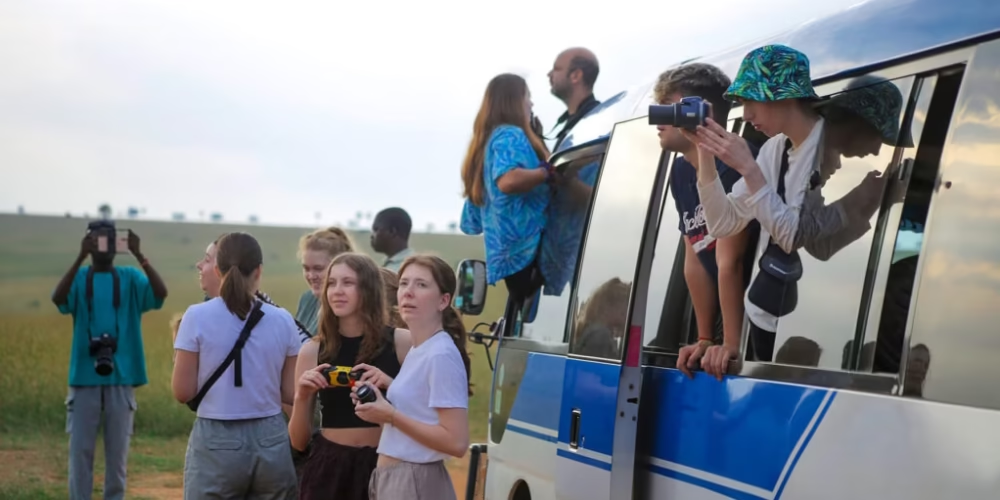
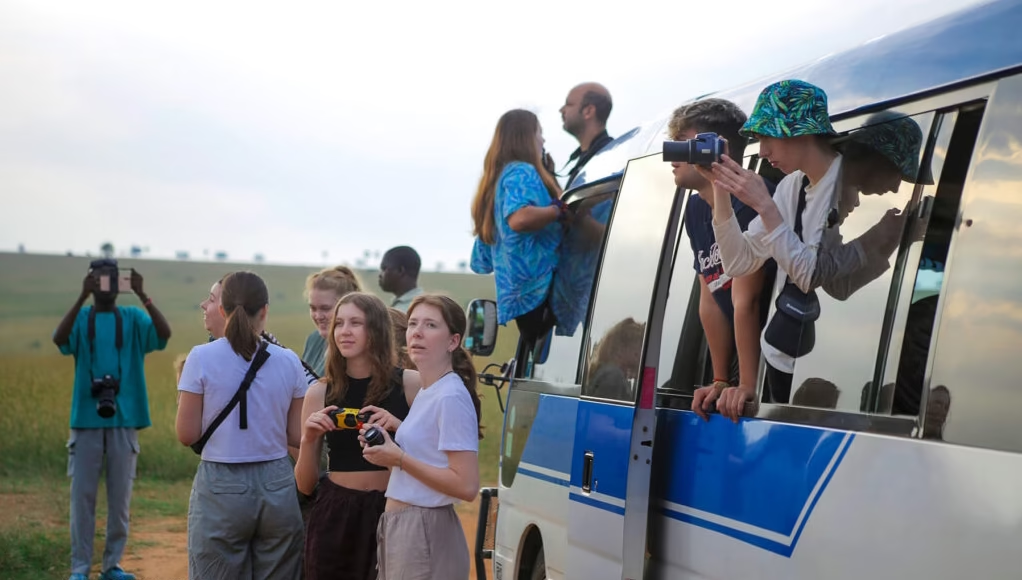
Educational tours in Uganda. Uganda is a powerful classroom for students seeking real-world learning. Its rich geography, culture, wildlife, and history offer unmatched opportunities for educational travel. Whether your focus is biology, history, culture, or development, Uganda delivers in every corner.
Here’s how to plan student trips and educational tours in Uganda by region, with tailored experiences for each area.
-
Eastern Uganda
Sipi Falls and Mount Elgon
The Sipi Falls region near Mbale offers geography and environmental science students an exciting field experience. The nearby Mount Elgon National Park provides lessons in soil conservation, mountain ecosystems, and hydrology.
Jinja and the Source of the Nile
Jinja, Uganda’s adventure capital, is ideal for environmental and cultural studies. Students can visit the Source of the Nile, explore river ecology, and engage in white-water rafting or river cleanup initiatives.
Community Projects and Cultural Exchange
In villages around Bududa, Mbale, and Tororo, student groups can join local schools or NGOs on service projects related to sanitation, agriculture, and education.
-
Western Uganda
Queen Elizabeth National Park
Students can study wildlife conservation and ecosystem balance in Queen Elizabeth National Park. The park includes savannah, wetlands, and crater lakes, offering a full spectrum of biodiversity research.
Fort Portal and Crater Lakes
The Fort Portal area is perfect for geography and geology students. Activities include crater lake studies, cave exploration (like Amabere Ga Nyinamwiru), and tours of tea plantations.
Kibale Forest National Park
Students focusing on primatology or biology can trek through Kibale Forest to observe chimpanzees and understand forest conservation methods.
-
Central Uganda
Kampala City Study Tours
Uganda’s capital is rich in historical, political, and cultural learning. Visits to the Uganda Museum, Parliament, Kabaka’s Palace, and Kasubi Tombs give students insight into colonial history, traditional kingdoms, and modern governance.
Uganda Martyrs Sites
Faith-based institutions often organize educational pilgrimages to Namugongo, Munyonyo, and other Uganda Martyrs memorials. These sites tell a powerful story of faith, sacrifice, and national identity.
Makerere University and Innovation Centers
Organize academic exchange programs or campus tours at Makerere University, one of Africa’s top academic institutions, to expose students to higher education, research, and innovation in Uganda.
-
Northern Uganda
Gulu and Post-Conflict Studies
The Acholi sub-region offers deep lessons in peacebuilding, trauma recovery, and post-conflict development. Visits to Gulu include meetings with youth groups, NGOs, and reconciliation centers that reflect Uganda’s recovery from the LRA war.
Murchison Falls National Park
This park offers ecological studies around the Nile River, wildlife migration, and tourism management. Students can combine classroom lessons with fieldwork and game drives.
-
Southwestern Uganda
Bwindi Impenetrable Forest
Ideal for students studying conservation biology, Bwindi is home to endangered mountain gorillas. Guided trekking provides a rare chance to observe primates and understand how tourism supports both conservation and communities.
Lake Bunyonyi and Kabale
Lake Bunyonyi is a peaceful base for cultural studies, canoe tours, and service projects in local schools. Kabale town offers access to Bakiga culture and history, including traditional farming systems in highland regions.
-
Karamoja (Northeastern Uganda)
This remote region provides a rare look into indigenous cultures, semi-nomadic herding, and climate resilience. Visits to Moroto or Kotido can include exchanges with Karamojong youth and organizations working on water, education, and livestock projects.
Karamoja is excellent for anthropology, cultural studies, and global development.
Safety and Logistics
Across all regions, student groups benefit from:
- Local guides and regional fixers with experience in educational travel
- Affordable, secure accommodation—many designed for school groups
- Coordinated meals, transport, and support from local tour operators
- Medical support and risk management through established programs
Always brief students on cultural etiquette, health precautions, and travel conduct.
Final Thoughts
Uganda’s diverse regions offer tailored, meaningful experiences for every type of student trip. Whether you Are exploring the Nile’s headwaters, trekking through rainforest, or learning peacebuilding in post-conflict areas, each region of Uganda becomes a living classroom.
With the right planning and partnerships, student travel in Uganda is safe, affordable, and truly transformational.