
Nakayima Tree
Nakayima Tree—Uganda’s Sacred Shrine of the Bachwezi
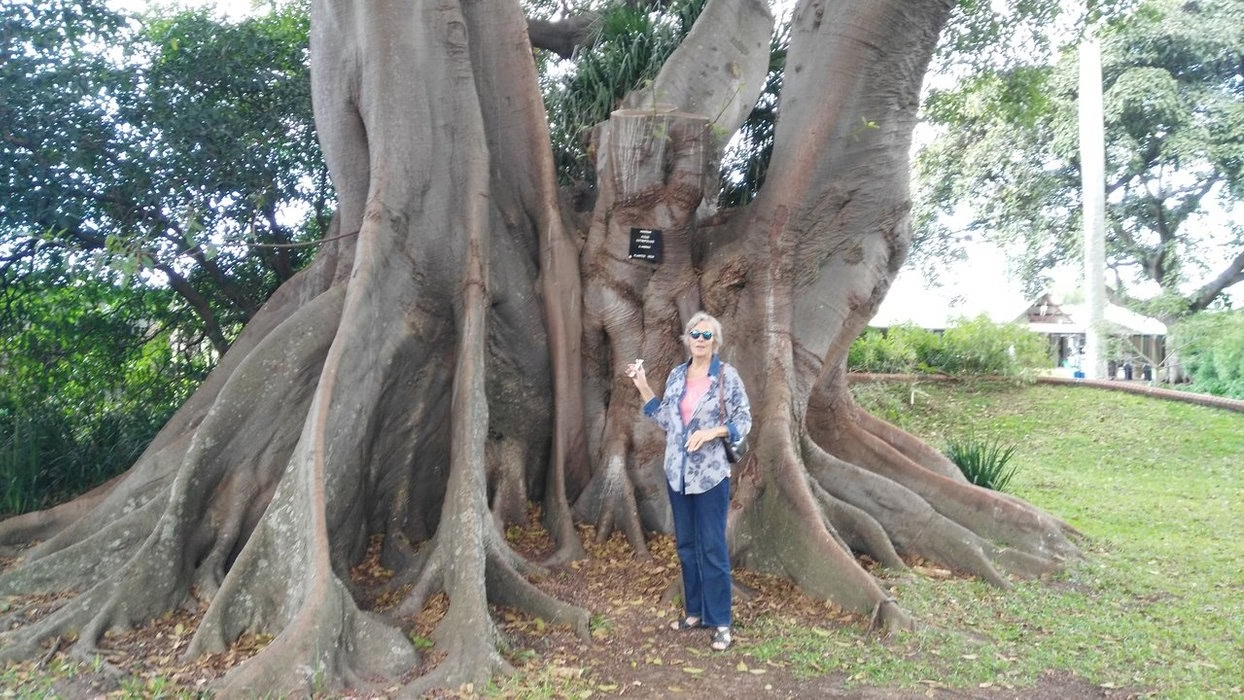
Rising above Mubende Hill in Central Uganda stands the Nakayima Tree, a sprawling, sacred fig tree believed to be between 400 and 650 years old. Deeply rooted in Uganda’s spiritual history, the tree is revered as the shrine of Nakayima, a spiritual medium and healer associated with the mythical Bachwezi dynasty. For centuries, it has drawn pilgrims, mystics, and curious travelers seeking healing, fertility, rain, and blessings.
The Legend of Nakayima
Nakayima, according to oral tradition, was the spiritual wife or medium of King Ndahura, one of the semi-divine rulers of the Bachwezi dynasty. She possessed healing powers and was known especially for treating smallpox. It is believed she disappeared into the tree, and her spirit now resides within it. The shrine has remained active for generations, maintained by a lineage of traditional custodians called mediums or priestesses.
Sacred Structure and Symbolism
The Nakayima Tree is not just a natural marvel—it serves as a spiritual temple. Its massive buttress roots form open “chambers” or “rooms,” each linked to a specific deity or ancestral spirit:
- Ndahura – the god of smallpox and healing.
- Musoke – associated with rain.
- Nabuzana – the goddess of fertility and marriage.
- Kalisa – protector of cattle.
- Ddungu – the god of hunting.
- Kiwanuka – a fierce warrior god.
- Mukasa – the god of water and fishing.
Each chamber represents a domain of life where devotees come to seek blessings. Offerings—such as money, millet, bark cloth, and livestock—are presented at these sacred roots during prayers and ceremonies.
Cultural Importance
The Nakayima Tree is a powerful symbol of Uganda’s spiritual resilience and indigenous beliefs. While modern religions have taken root across the country, the tree remains a key pilgrimage site. Many Ugandans—regardless of religion—visit the shrine during difficult moments in life, including sickness, childlessness, or major life decisions.
Spiritual custodians still perform rituals at the site. These ceremonies, guided by traditional belief systems, may involve drumming, chanting, and the invocation of ancestral spirits.
How to Visit the Nakayima Tree
Nakayima Tree is located on Mubende Hill, roughly 4 km from Mubende Town and about 145 km west of Kampala. The hill is accessible by road, and a short hike leads to the shrine itself. Local guides and caretakers are often available to explain the tree’s history and guide visitors through appropriate customs.
Visitor Guidelines
- Respect the site as a living religious shrine.
- Dress modestly and follow local etiquette.
- Do not take photos without permission, especially during rituals.
- Offer a small donation to the caretakers if you want to participate or ask questions.
When to Visit
You can visit year-round, but the dry seasons—December to February and June to August—offer better hiking conditions. Most ceremonies and rituals happen during local festival periods or individual spiritual pilgrimages.
Plan Your Uganda Safari
Combine your cultural visit to the Nakayima Tree with a wider Ugandan adventure. Explore Murchison Falls, Bwindi Impenetrable Forest, or Queen Elizabeth National Park. Whether you seek gorilla trekking, wildlife safaris, or cultural discovery, Uganda delivers rich and authentic experiences.
Gecko Safaris Africa offers custom trips that include heritage sites like Nakayima alongside unforgettable nature safaris. Our expert guides help you travel deeper and connect with Uganda’s soul.