
Monuments in Uganda
Monuments in Uganda
Monuments in Uganda. Uganda’s monuments speak of ancient kingdoms, colonial struggles, and a proud march toward independence. Each one marks a story etched into stone, bronze, or sacred ground. Whether in the heart of Kampala or the remote countryside, these landmarks connect visitors to the soul of the nation.
-
Independence Monument—Kampala
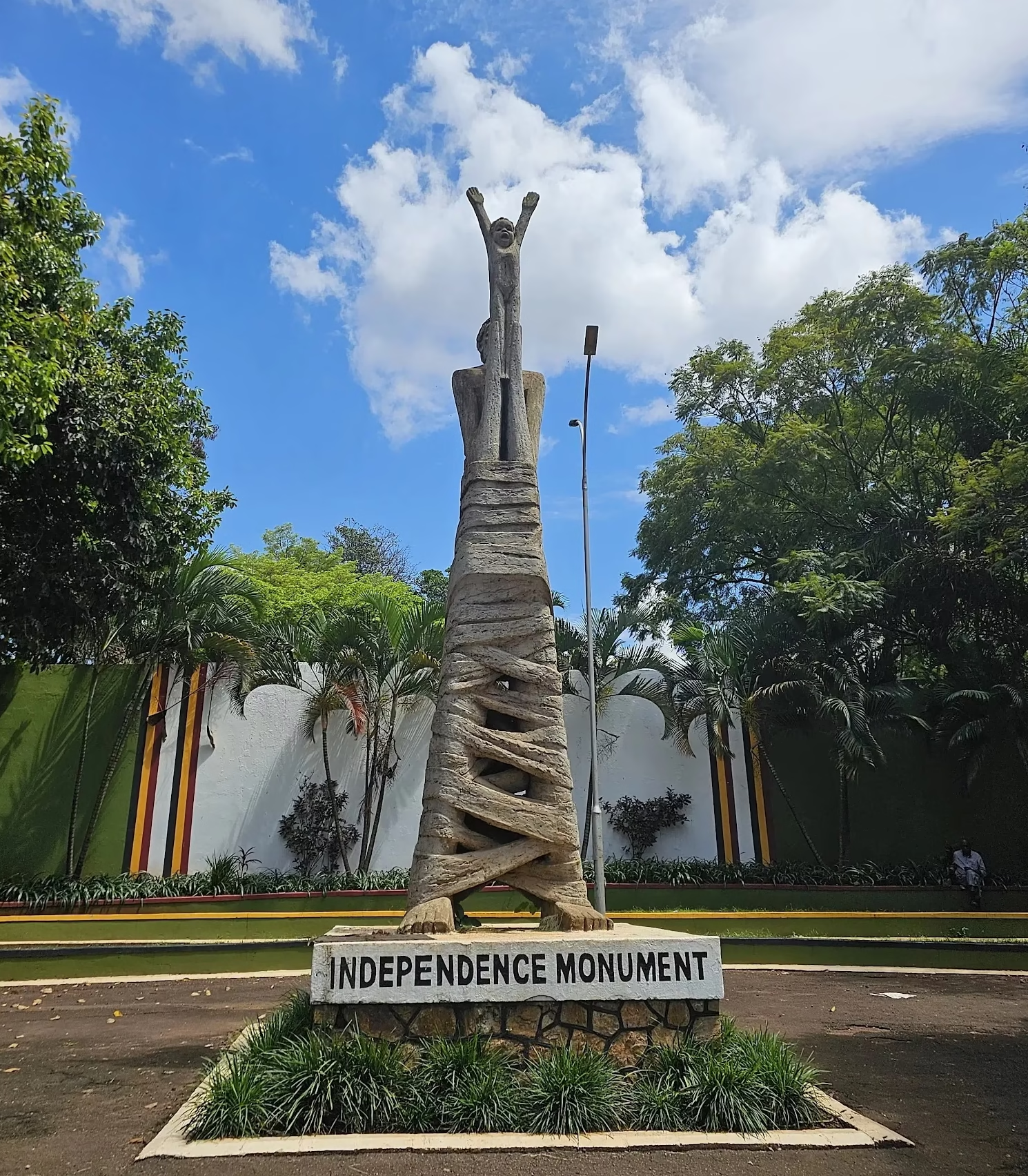
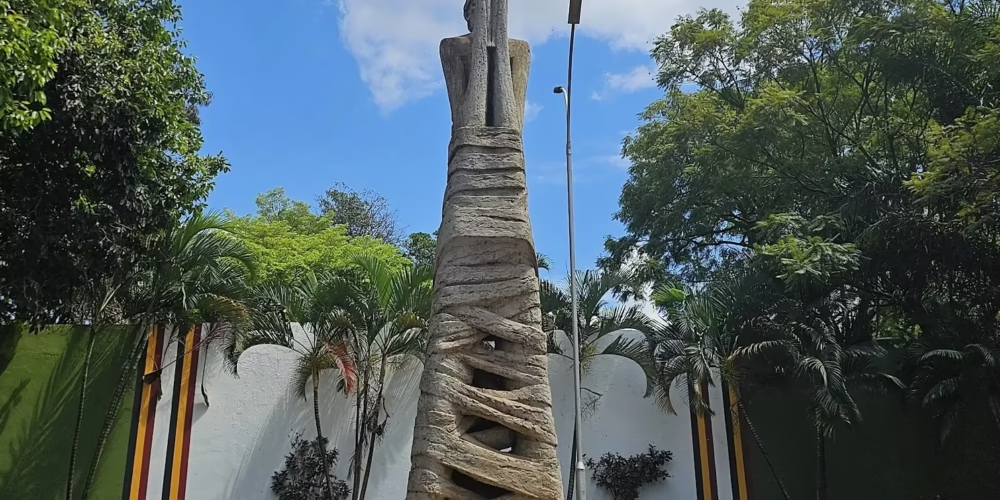
Standing tall along Speke Road, the Independence Monument symbolizes Uganda’s liberation from British colonial rule in 1962. It features a man lifting a child high above his head, representing a free nation embracing its future. This monument draws both tourists and locals for photographs and national celebrations.
-
Kabaka’s Palace and Idi Amin’s Torture Chambers—Mengo Hill
The Lubiri (Kabaka’s Palace) sits atop Mengo Hill, the seat of the Buganda Kingdom. Though still symbolic of royal authority, its underground chambers tell a darker story. Idi Amin used them as torture chambers during his brutal regime in the 1970s. The palace stands today as a solemn reminder of resilience.
-
The Sir Edward Muteesa Monument—Kampala
This bronze sculpture at the heart of the city honors Sir Edward Muteesa II, the first president of Uganda and the 35th Kabaka of Buganda. It shows him in regal Buganda attire, capturing both his political legacy and royal heritage.
-
World War Memorial Monument—Constitution Square
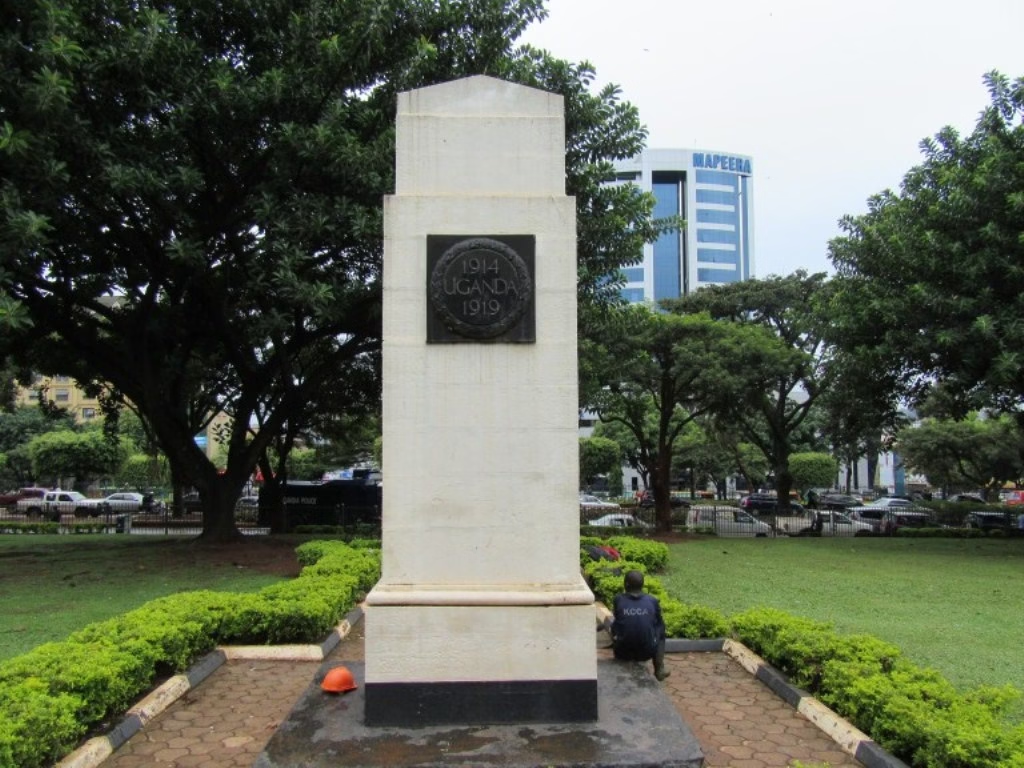
Built to honor Ugandan soldiers who fought in World Wars I and II, this monument stands in Constitution Square. The obelisk structure holds names and regiments of brave men who fought for freedom under colonial command.
-
Fort Patiko—Gulu District
Also known as Baker’s Fort, this historical site lies in northern Uganda. British explorer Sir Samuel Baker built it in the 1870s to fight the slave trade. Today, the fort’s ruins offer insight into early colonial intervention and Uganda’s resistance to slavery.
-
The Clock Tower Monument—Kampala
This iconic landmark at the junction of Jinja Road and Entebbe Road has stood for decades. More than a traffic marker, it serves as a cultural and historic compass for Kampala’s urban evolution.
-
Omukama Kabalega’s Monument—Hoima
This statue celebrates the legendary Omukama Kabalega of Bunyoro. He led resistance against British colonialists in the 19th century. The monument honors his bravery, leadership, and influence across western Uganda.
-
The Uganda Martyrs Monuments—Namugongo
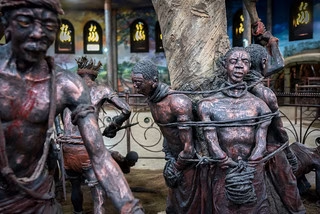 Located at the Uganda Martyrs Shrine, these monuments honor the 22 Christian converts executed under Kabaka Mwanga II between 1885 and 1887. Their legacy has turned Namugongo into a major pilgrimage site every June 3rd.
-
Mahatma Gandhi Monument—Source of the Nile, Jinja
This bust of Mahatma Gandhi stands near the point where the Nile begins its journey north. It marks the spot where part of Gandhi’s ashes were scattered in 1948, connecting India’s independence movement to Uganda’s own path to freedom.
-
The Rwenzururu Royal Monument—Kasese
This relatively new monument celebrates the Rwenzururu Kingdom in the Rwenzori region. It honors the cultural heritage of the Bakonzo people and their quest for autonomy in western Uganda.
Plan Your Safari Today
Uganda’s monuments reveal more than stories—they reflect the spirit of the Pearl of Africa. Walk through colonial history, honor kings and martyrs, and trace Uganda’s rise from tradition to nationhood.
Ready to explore these timeless symbols? Plan your Uganda heritage tour today and let the monuments guide your journey.