
The Swahili Coast – Where Cultures and Oceans Meet
The Swahili Coast—Where Cultures and Oceans Meet
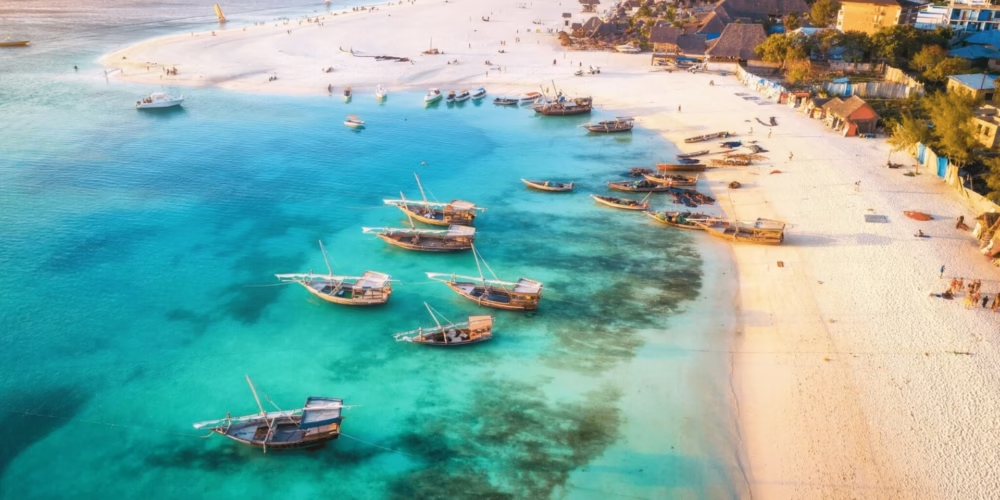
Swahili Coast. The Swahili Coast stretches along East Africa’s Indian Ocean shores. It covers parts of Kenya, Tanzania, and northern Mozambique. For centuries, this coastline has connected Africa, Arabia, India, and Persia. Today, it welcomes travelers who seek history, spice-laden breezes, and turquoise waters.
Where the Coast Begins
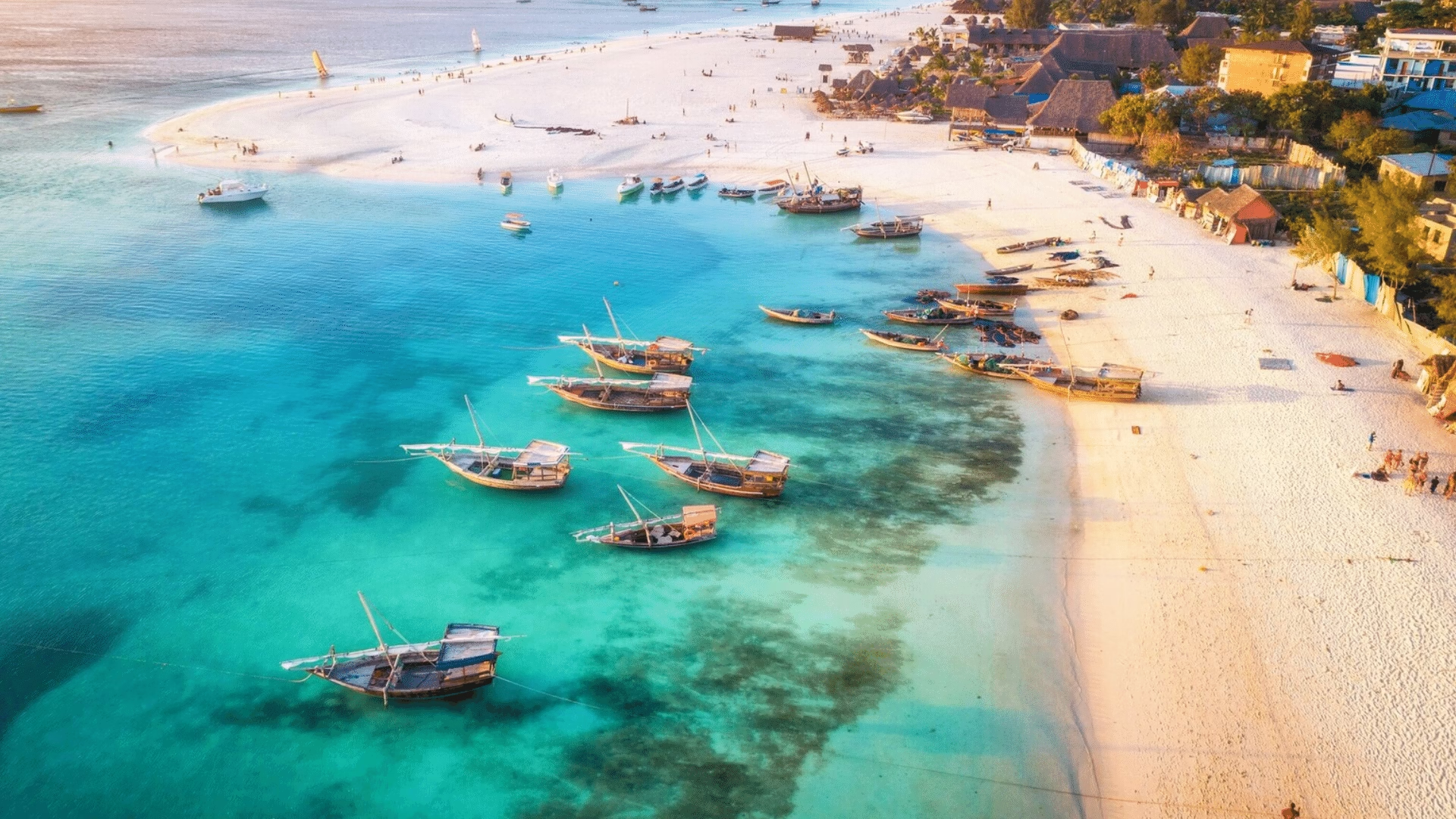
The Swahili Coast runs from Lamu in Kenya to Ibo Island in Mozambique. Along the way, it touches towns like Mombasa, Bagamoyo, Zanzibar, Kilwa Kisiwani, and Pemba Island. Each stop blends ancient stone towns with palm-lined beaches.
A History Carved in Coral Stone
Swahili culture grew from trade. Arab, Persian, Indian, and African merchants met here by dhow. They exchanged ivory, gold, slaves, and spices. By the 9th century, coastal towns like Kilwa and Zanzibar had grown into city-states.
Stone houses, mosques, and forts still stand. Walk through Zanzibar’s Stone Town or visit Fort Jesus in Mombasa. You feel time shift beneath your feet.
Culture and Language
The Swahili people speak Kiswahili, a Bantu language with Arabic influence. Their culture mixes African rhythm, Islamic faith, and Persian artistry.
You will hear the call to prayer from coastal minarets. You’ll taste coconut rice and tamarind fish stew. Locals welcome guests with warmth, often offering chai (tea) and stories.
Top Places to Explore
Zanzibar (Unguja)
Zanzibar brings together spice farms, snorkeling reefs, and cultural tours. Visit the Sultan’s Palace, wander the markets, and relax on Nungwi or Jambiani beaches.
Lamu, Kenya
This UNESCO town remains car-free. Donkeys carry goods, and wooden dhows sail daily. The Lamu Museum and Swahili House Museum offer rich stories.
Kilwa Kisiwani, Tanzania
Few travelers reach this ancient island city. Yet Kilwa once ruled trade from Sofala to Mogadishu. The Great Mosque and palace ruins speak of its glory.
Pemba Island
More forested and quieter than Zanzibar, Pemba suits nature lovers. Its reefs invite divers, and its trails lead to spice plantations and mangrove shores.
Nature and Marine Life
The coast isn’t just cultural—it’s wild. Coral reefs protect sea turtles and dolphins. Forests hide colobus monkeys and rare birds. The Mnemba Atoll, Chumbe Island, and Misali Island all offer eco-friendly marine adventures.
You can kayak through mangroves, snorkel with reef fish, or sail into a burning sunset.
Best Time to Visit
The Swahili Coast stays warm all year. Visit during the dry months:
- December to March – Hot, dry, and perfect for beach time
- June to October – Cooler, dry, and great for walking tours
Avoid the long rains in April and May.
Getting There
- Zanzibar: Fly in from Dar es Salaam or Nairobi
- Lamu: Small flights leave Nairobi daily
- Mombasa: Connected by train, road, and air
- Kilwa and Pemba: Reachable via small planes or coastal roads
Local dhows and ferries connect smaller islands.
Why the Swahili Coast Captivates
You don’t just visit the Swahili Coast—you feel it. Its rhythm beats in the waves, the markets, and the drums. Time slows. History lives on coral walls. And the breeze smells of cloves and salt.