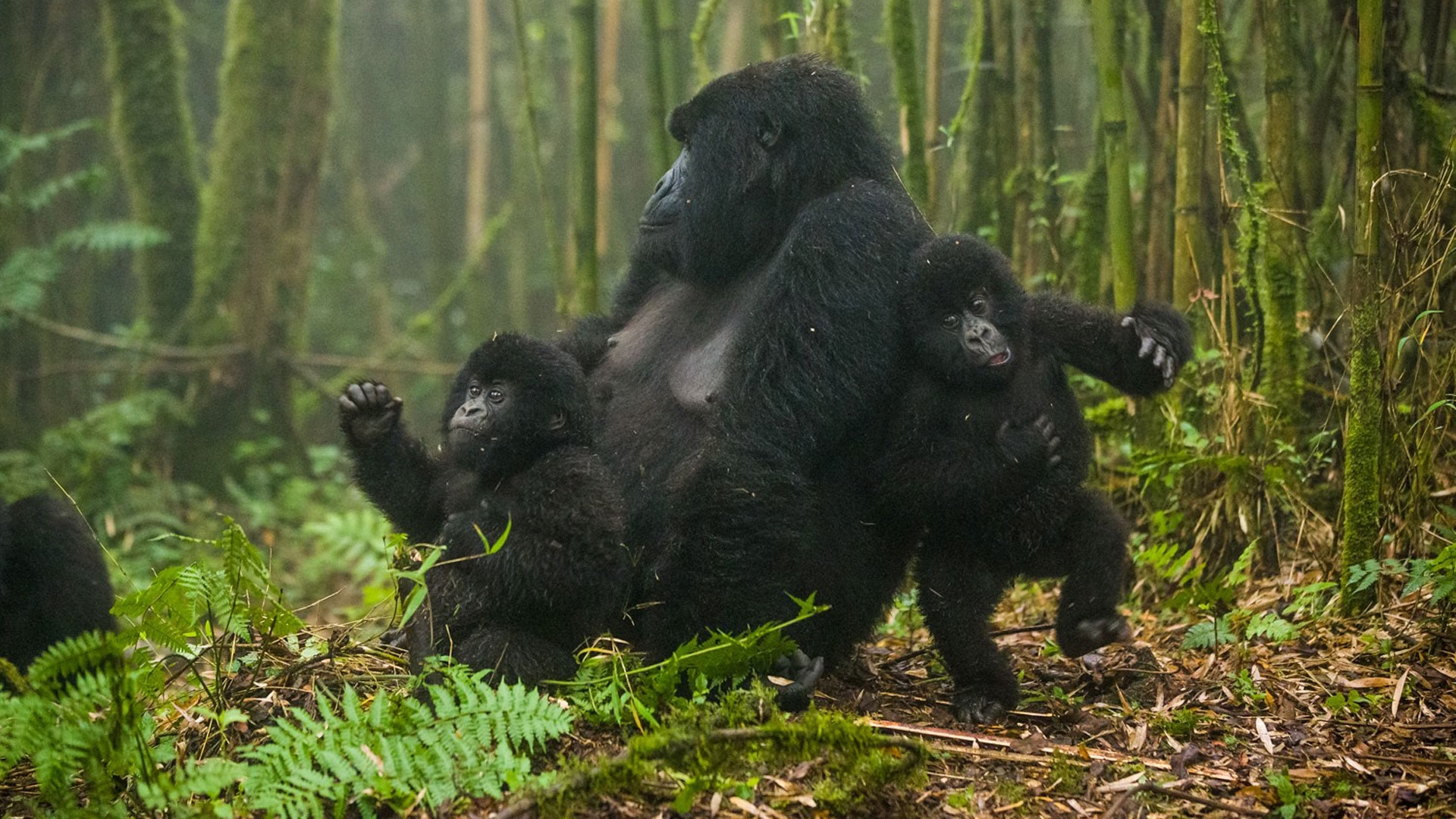

The Hirwa Gorilla Family
The Hirwa Gorilla Family: A Conservation Success Story
The Hirwa Gorilla Family is one of the most well-known and loved groups of mountain gorillas in the Virunga Conservation Area. Located in Volcanoes National Park in Rwanda, this family has captivated the hearts of gorilla trekking tourists and conservationists alike due to its dynamic family structure and its vital role in the ongoing efforts to protect mountain gorillas.
In this article, we’ll explore the story of the Hirwa Gorilla Family, their significance to wildlife conservation, and how travelers can experience the wonders of gorilla trekking while supporting these incredible creatures.
Origins of the Hirwa Gorilla Family
The Hirwa family is relatively new in terms of its formation, but it has already become an iconic and cherished group among the mountain gorillas in Rwanda.
Formation and Evolution of the Family
The Hirwa family formed in 2006 when individuals from different groups united under the leadership of a dominant silverback, Akarevuro. The name “Hirwa,” meaning “fortunate” in Kinyarwanda, reflects the lucky circumstances that brought this strong and thriving family together.
Family Members
Known for its close-knit structure and dynamic leadership, the Hirwa family includes a dominant silverback, several females, and their offspring. Over the years, the group has grown, with numerous babies strengthening its survival. Their strong bonds and peaceful nature make them one of the most watched and beloved gorilla trekking groups.
Hirwa’s Cross-Border Movement
As part of the Virunga Mountain gorilla population, the Hirwa family roams across Rwanda, Uganda, and the Democratic Republic of Congo (DRC). Originally living in Rwanda’s Volcanoes National Park, they frequently migrate, sometimes reaching Mgahinga Gorilla National Park in Uganda.
Cross-Border Migration
Gorillas migrate naturally, moving to areas with abundant food or in response to habitat disturbances. This adaptability helps their survival but creates challenges for conservationists tracking them across different countries.
Conservation Challenges
The Hirwa family’s cross-border movements highlight the need for international collaboration. Governments of Rwanda, Uganda, and DRC, along with conservation organizations, work together to protect these gorillas. Teams of rangers and researchers monitor their migration to ensure safety and prevent threats like poaching or disease transmission.
Hirwa Family’s Role in Conservation
As an endangered species, mountain gorillas rely on groups like the Hirwa family for their survival. Interactions with tourists and researchers support ongoing conservation efforts.
Tourism and Conservation Funding
The Hirwa family, a key attraction in Rwanda’s gorilla tourism, generates significant funding for conservation. Revenue from trekking permits supports anti-poaching patrols, habitat restoration, and community development initiatives around the park. Their success proves how responsible tourism benefits both conservation and local communities.
Scientific Research and Monitoring
Researchers and veterinarians track the Hirwa family’s health, studying their behavior, genetics, and social structures. These studies provide crucial insights that help secure the long-term survival of mountain gorillas in the wild.
Gorilla Trekking with the Hirwa Family
For gorilla trekking enthusiasts, the Hirwa Gorilla Family represents an exciting and rewarding opportunity to see these majestic creatures in their natural habitat. If you’re planning a trip to Rwanda to trek with the Hirwa family, here are some key details:
Where to Find the Hirwa Family
- The Hirwa family resides in Volcanoes National Park, located in northwestern Rwanda, near the border with Uganda. The park is home to several other gorilla families as well, making it one of the top destinations for gorilla trekking.
- Visitors can trek to observe the Hirwa family in the wild, usually with the guidance of experienced rangers and guides.
Booking a Trekking Permit
- To see the Hirwa family, you must obtain a gorilla trekking permit from the Rwanda Development Board (RDB).
- Permits are limited, so it’s important to book in advance if you want to trek with this specific family. Trekking permits also contribute to funding the park’s conservation efforts.
The Trekking Experience
- Gorilla trekking involves an exhilarating hike through the dense forests of Volcanoes National Park. The trek can vary in difficulty, but once you reach the gorilla family, you will have the chance to spend one hour observing the gorillas in their natural habitat.
- The experience is unforgettable, as you watch the gorillas interact, feed, and relax in their environment. For many trekkers, seeing the Hirwa family is a once-in-a-lifetime opportunity.
Supporting the Hirwa Family and Conservation Efforts
You can contribute to the conservation of the Hirwa family and other mountain gorillas in several ways:
- Book a Gorilla Trekking Permit: Your trekking permit not only gives you a chance to see the gorillas but also supports their protection and habitat conservation.
- Follow Park Rules: Always respect the guidelines set by park authorities, such as maintaining a safe distance from the gorillas and avoiding any actions that may disturb them.
- Support Local Communities: Tourism creates jobs for local communities. By supporting local businesses, you are helping improve the livelihoods of the people living around the park, who are crucial partners in conservation efforts.
- Donate to Conservation: Consider donating to organizations like the Gorilla Doctors or Mountain Gorilla Conservation Fund, which are actively involved in the protection and well-being of mountain gorillas.
Experience the Magic of the Hirwa Gorilla Family
The Hirwa Gorilla Family is an incredible example of the resilience of mountain gorillas and the importance of conservation efforts in the Virunga region. Whether you’re an avid traveler or a wildlife enthusiast, experiencing these gorillas in their natural habitat is an experience that will leave a lasting impact.
Plan your gorilla trekking adventure to Volcanoes National Park and be part of the continued effort to protect the Hirwa family and the incredible species they represent.