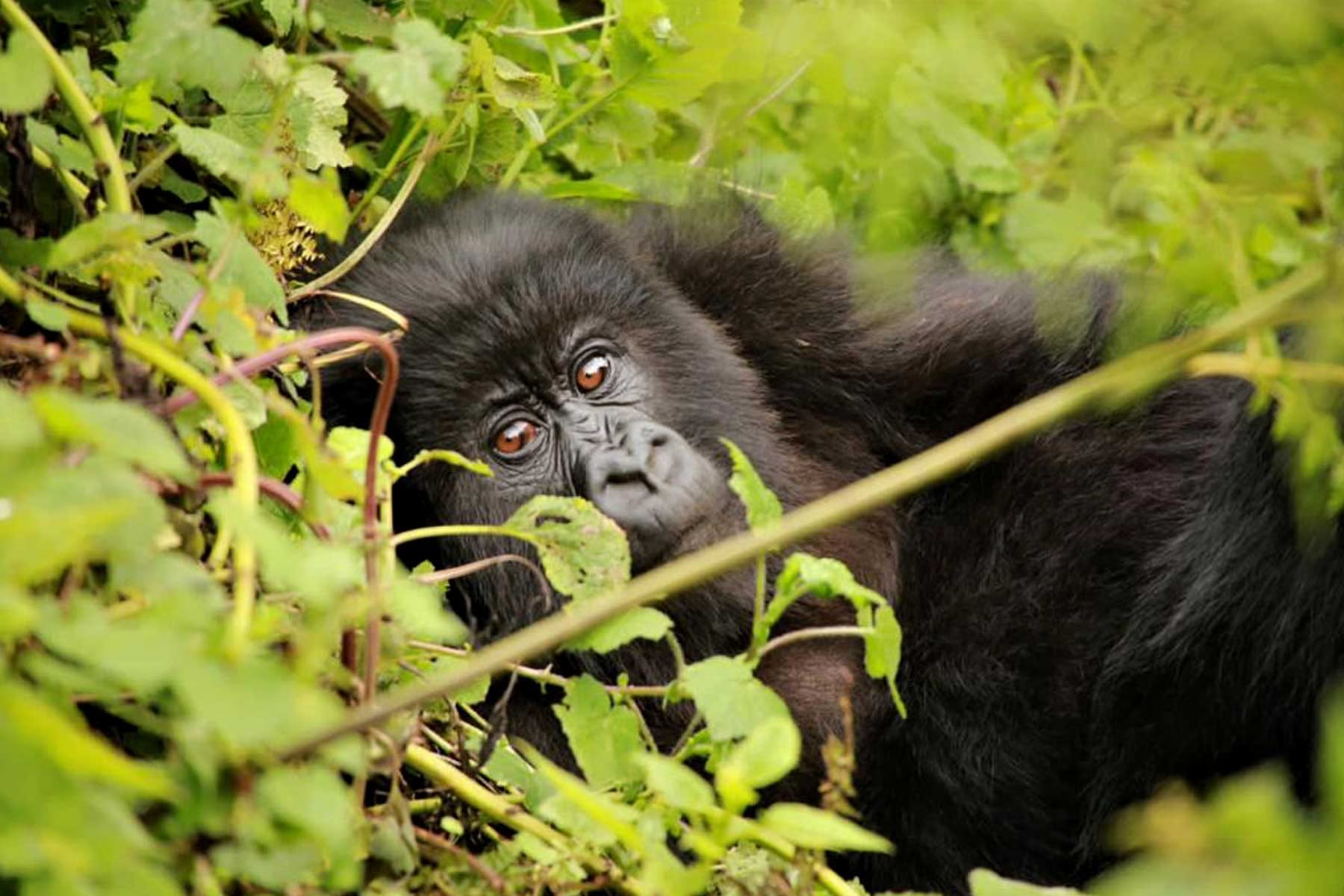

Protecting Gorillas and Chimpanzees from COVID-19
Protecting Gorillas and Chimpanzees from COVID-19
The COVID-19 pandemic has highlighted the vulnerability of not only humans but also wildlife, particularly great apes such as gorillas and chimpanzees, which share a significant percentage of their DNA with humans. These animals are highly susceptible to human-borne diseases, including COVID-19, which poses a critical threat to their already endangered populations. As tourism and human activities resumed post-pandemic, protecting gorillas and chimpanzees from COVID-19 and other diseases became a significant concern for wildlife conservationists, governments, and local communities.
Why Gorillas and Chimpanzees Are at Risk from COVID-19
Great apes, including mountain gorillas, western gorillas, chimpanzees, and bonobos, are genetically similar to humans, sharing between 95% to 98% of their DNA. This close genetic relationship makes them particularly vulnerable to diseases that humans can carry, including respiratory illnesses like COVID-19.
Key Reasons for Their Vulnerability:
- Similar Immune Systems: Gorillas and chimpanzees have immune systems that are similar to those of humans, which means they can suffer from diseases that spread easily among human populations.
- Human-Wildlife Interactions: The increased human-wildlife interactions due to tourism, research, and conservation activities put great apes at higher risk of exposure to human-borne pathogens.
- Social Behavior: Both gorillas and chimpanzees live in close-knit family groups, which means a disease can spread quickly among individuals, much like it does in human communities.
The possibility of great apes contracting COVID-19 from humans poses a dire risk to their survival, especially considering that many gorilla and chimpanzee species are critically endangered.
COVID-19 and the Impact on Conservation Efforts
The pandemic has disrupted wildlife conservation efforts globally, and the protection of gorillas and chimpanzees is no exception. Lockdowns, travel restrictions, and health concerns led to a temporary suspension of tourism and research activities, which are crucial for the well-being of these species.
Challenges Posed by COVID-19:
- Decline in Tourism Revenue: Tourism plays a significant role in funding conservation programs, including those for gorillas and chimpanzees. With the closure of borders and national parks, many conservation programs faced financial setbacks.
- Disruption of Monitoring and Protection: Reduced human presence in national parks affected ranger patrols, monitoring, and anti-poaching efforts, which are essential for safeguarding the species from poaching and other threats.
- Limited Medical Support for Wildlife: The pandemic overwhelmed health resources, leading to limited veterinary care for wildlife, including treatment for diseases that may affect gorillas and chimpanzees.
Protecting Gorillas and Chimpanzees: Key Measures Implemented
Several preventive measures have been put in place to protect great apes from COVID-19, focusing on reducing human interaction, implementing health protocols, and ensuring that wildlife conservation continues safely.
-
a) Limiting Human-Gorilla and Human-Chimpanzee Contact
- Tourism Guidelines: Most national parks where gorillas and chimpanzees are found, such as Bwindi Impenetrable National Park in Uganda, Volcanoes National Park in Rwanda, and Kahuzi-Biega National Park in the DRC, have introduced stringent guidelines to limit contact with wildlife. This includes maintaining a safe distance (usually at least 7 meters) from the animals during trekking and other activities.
- Mandatory Face Masks: Tourists are required to wear face masks when trekking to observe gorillas and chimpanzees. This reduces the risk of transmitting respiratory diseases from humans to wildlife.
- Limited Group Sizes: To further reduce the risk of disease transmission, the number of visitors in trekking groups has been limited. Some parks also restrict the number of daily treks allowed to ensure that the gorillas and chimpanzees are not overwhelmed by human presence.
-
b) Strict Health Protocols for Rangers and Staff
- Routine Health Checks: Rangers, researchers, and other personnel working in gorilla and chimpanzee habitats undergo regular health checks to ensure they do not carry any diseases that could be passed on to the animals.
- Personal Protective Equipment (PPE): Rangers are provided with personal protective equipment, including masks and gloves, to reduce the chances of disease transmission.
- Training and Awareness: Local communities and park staff are trained on the importance of preventing zoonotic diseases (diseases that can be transmitted from animals to humans) and how to practice safe interactions with wildlife.
-
c) Monitoring and Quarantine Measures
- Gorilla and Chimpanzee Monitoring: In many national parks, specialized teams of veterinarians and wildlife experts continuously monitor the health of gorillas and chimpanzees, especially after any signs of illness.
- Quarantine and Isolation Protocols: In the event that a gorilla or chimpanzee shows signs of respiratory illness or any other symptoms of disease, the animal is immediately isolated to prevent potential outbreaks within the group.
How You Can Help Protect Gorillas and Chimpanzees from COVID-19
As a tourist or traveler, you have an important role to play in protecting these endangered species from diseases like COVID-19. Here are some actions you can take to ensure the safety of gorillas and chimpanzees during your visit:
-
a) Follow Park Guidelines
- Always adhere to the park rules regarding mask-wearing, social distancing, and behavior around the animals.
- Avoid close contact with the animals and refrain from touching or feeding them.
-
b) Plan Your Visit Responsibly
- Visit only reputable wildlife organizations and eco-tourism operators that prioritize the health and safety of wildlife and enforce health protocols.
- Consider traveling during the off-peak seasons to reduce overcrowding in parks and give the animals more space.
-
c) Contribute to Conservation
- By purchasing gorilla trekking permits, you are contributing directly to the conservation efforts that help protect gorillas and chimpanzees from diseases and other threats.
- Consider donating to organizations like the Gorilla Doctors or Wildlife Conservation Society that provide medical care, protection, and research for these species.
Plan Your Safe Gorilla Trekking Tour Today
As global tourism rebounds, it’s crucial to travel responsibly and prioritize the health of gorillas and chimpanzees. By following the safety protocols in place and supporting wildlife conservation efforts, you can help ensure that these magnificent creatures continue to thrive for generations to come.
If you are ready to embark on a gorilla trekking or chimpanzee viewing adventure, make sure to book your permit early, follow the guidelines, and enjoy an unforgettable, ethical wildlife experience.