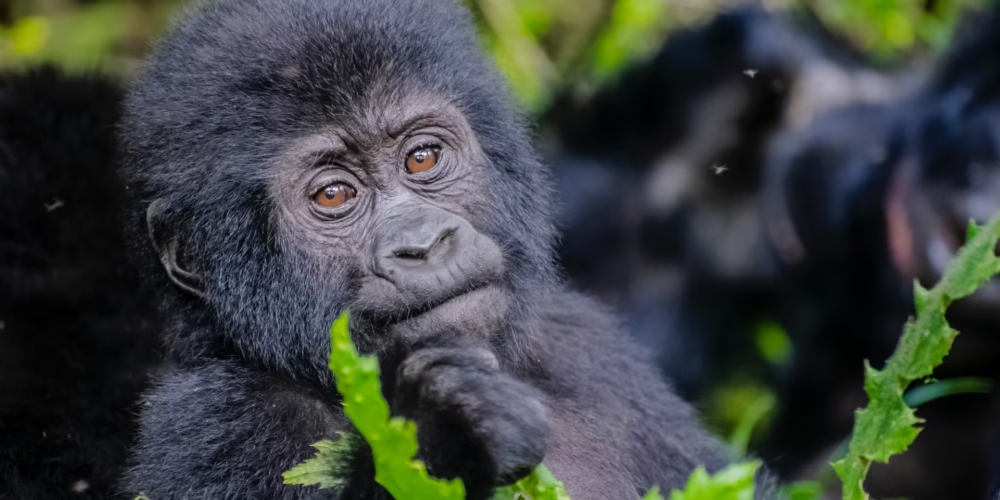

Things to Consider When Booking a Solo Gorilla Trekking Safari in Uganda
Things to Consider When Booking a Solo Gorilla Trekking Safari in Uganda
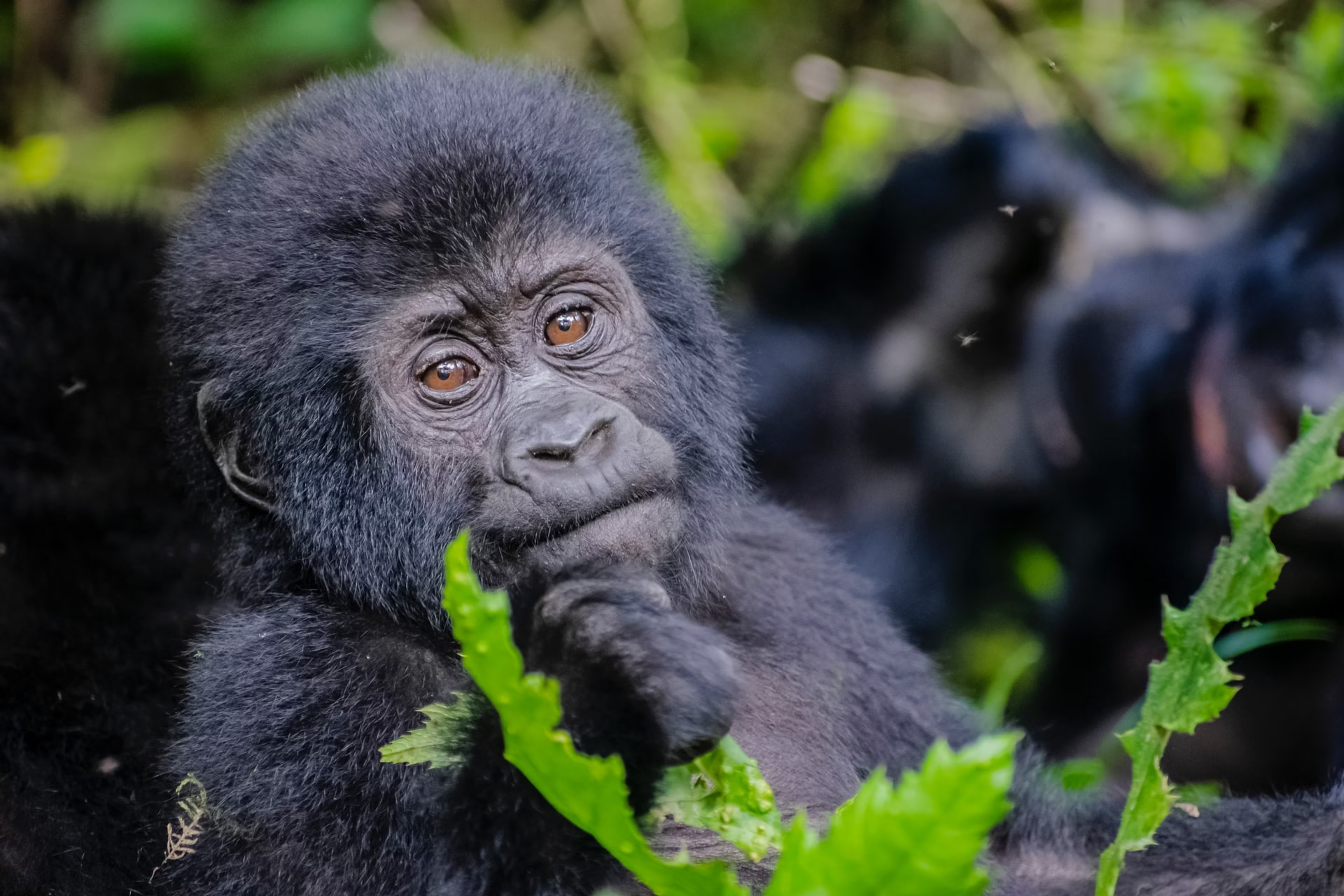
Embarking on a solo gorilla trekking safari in Uganda is one of the most profound experiences any traveler can have. The thrill of seeing mountain gorillas in their natural habitat is unparalleled, and doing so on your own allows you the freedom to connect with nature in a personal and profound way. However, organizing a solo trek requires careful consideration to ensure a smooth, enjoyable, and safe experience. This guide highlights key factors you need to think about when planning your trip.
-
Booking Your Gorilla Trekking Permit
A gorilla trekking permit is essential for all visitors who want to trek in Uganda’s national parks. The permit grants you one hour with a habituated gorilla family, and it is mandatory to secure this permit well in advance of your trip. As Uganda’s gorilla permits are in high demand, especially during peak seasons, you’ll want to book as early as possible.
Permit Costs: The cost for a trekking permit is $800 per person for Bwindi Impenetrable National Park and Mgahinga Gorilla National Park. These permits are typically valid for the specific day you book, and the number of permits available daily is limited to ensure sustainable tourism practices.
While some solo travelers prefer handling bookings themselves, using a licensed tour operator to secure your permit can save you time and avoid complications, especially if you’re unfamiliar with the local system.
-
Choosing Between Bwindi and Mgahinga
Uganda offers gorilla trekking opportunities in two remarkable parks: Bwindi Impenetrable National Park and Mgahinga Gorilla National Park. Both offer incredible experiences, but there are some differences to consider when choosing where to go.
Bwindi Impenetrable National Park is the more famous and larger of the two parks, home to over 20 habituated gorilla families spread across four sectors: Buhoma, Rushaga, Ruhija, and Nkuringo. This variety allows solo trekkers to choose from different terrains and ecosystems, from the dense, mist-filled forests of Buhoma to the steeper, more rugged slopes of Rushaga and Nkuringo.
Mgahinga Gorilla National Park is smaller but equally spectacular. Located near the Virunga Volcanoes, it offers a more tranquil experience with fewer visitors. The Nyakagezi gorilla family in Mgahinga is known for being highly mobile, which can make trekking here more unpredictable, but also more thrilling.
If you prefer a more remote experience with fewer tourists, Mgahinga is the perfect choice. However, Bwindi provides more infrastructure and a higher likelihood of encountering other solo trekkers, which might make the experience feel more social.
-
Solo Travel vs. Tour Operator
As a solo traveler, you may consider organizing the trip independently. However, there are a number of advantages to booking through a Contact Us
While organizing everything independently might seem appealing, tour operators can handle all the logistical details for you, including securing your permit, organizing transportation, and booking your accommodation. They will also guide you through the entire experience, ensuring you follow all safety protocols and maximize your time in the park.
One of the key benefits of traveling with a tour operator is that they arrange transportation—getting from Kampala or Entebbe to Bwindi or Mgahinga can be time-consuming and complicated if done independently. A good tour operator will provide reliable transport and ensure you arrive on time for your trek.
However, if you’re keen on organizing the trip on your own, public transport and private vehicle hire are viable options, but you’ll need to plan carefully, especially when traveling to remote areas like Bwindi. Be prepared for long travel times, as the journey can take anywhere from 8 to 10 hours by road from Kampala to Bwindi.
-
Budgeting for a Solo Gorilla Trekking Safari
Traveling solo typically means that you bear the full cost of the trip, which can be pricier than traveling in a group. However, with careful planning, you can manage your budget effectively.
- Permit: The main expense is the $800 permit for trekking.
- Accommodation: Lodging costs in Uganda vary widely depending on where you stay. Budget accommodations start around $50 per night, while mid-range lodges can cost between $100–$200 per night. For a more luxurious experience, expect to pay between $300–$500 per night.
- Transport: Private transport costs for solo travelers can be high, but opting for shared rides with other tourists is a great way to reduce costs. Expect to pay $150–$250 per day for a 4×4 vehicle with a driver.
- Meals and Activities: Meals range from $10–$30 per meal, depending on your choice of accommodation. You might also consider budgeting for additional activities, such as cultural visits to local communities or nature walks.
-
Safety Considerations for Solo Travelers
While Uganda is generally safe for tourists, traveling solo comes with certain risks. To ensure your safety while trekking and in the broader environment, here are some practical tips:
- Trekking with a Guide: All trekkers must be accompanied by an experienced guide and armed park rangers. Solo trekkers are not permitted to trek without this guidance, which ensures both your safety and the well-being of the gorillas.
- Keep Valuables Secure: Keep your valuables, like passports and electronics, safely locked away in your hotel room or lodge safe. Be cautious of pickpockets in crowded areas.
- Stay Healthy: Uganda has a tropical climate, and altitude changes can affect your health. Bring any necessary medications, and consider vaccinations like yellow fever and malaria prophylaxis. Don’t forget a basic first-aid kit.
- Communication: Stay in touch with your hotel or tour operator throughout your journey. Consider purchasing a local SIM card to ensure you have access to mobile networks in case of emergencies.
-
Accommodation for Solo Trekkers
Accommodation in Uganda ranges from budget campsites to luxury lodges, and there’s something to suit every solo traveler’s needs. Staying in community-run lodges can be a rewarding way to meet fellow trekkers and contribute to the local economy. Many lodges around Bwindi and Mgahinga also offer communal areas, where you can connect with other solo travelers and share your experiences after a long day of trekking.
If you prefer privacy, there are more exclusive lodges available. Clouds Mountain Gorilla Lodge and Gorilla Safari Lodge provide a luxurious experience with stunning views of the forest and volcanoes. However, for solo travelers on a tighter budget, options like Buhoma Community Rest Camp or Rushaga Gorilla Camp offer affordable yet comfortable stays.
-
Physical Preparation and Gear
Gorilla trekking can be physically demanding. You’ll encounter steep slopes, muddy paths, and dense vegetation, which means preparation is key.
- Physical Fitness: You don’t need to be an athlete, but it’s important to be in good physical condition. Start training ahead of your trip with cardio and hiking exercises.
- Appropriate Gear: Invest in sturdy hiking boots, long-sleeved clothes to protect against thorns and insects, and a rain jacket, as Uganda’s weather can change quickly. A walking stick is often provided by the park and is useful for navigating tough terrain.
- Hydration: Bring water and high-energy snacks. The treks can be long, and keeping hydrated is crucial.
-
Consider the Best Time to Trek
The best time for gorilla trekking in Uganda is during the dry seasons, which run from June to August and December to February. These months offer the best trekking conditions, as trails are less muddy and visibility is better. If you’re trekking in Mgahinga, the weather can vary depending on the altitude, so prepare for cooler temperatures on volcano hikes.
Plan your solo gorilla trekking in uganda today.
Contact Us a solo gorilla trekking safari in Uganda is a thrilling, once-in-a-lifetime adventure. By carefully considering your permits, budget, safety, and accommodation, you can ensure that your trek goes smoothly and that you make the most of your time in this beautiful country. Whether you opt for Bwindi or Mgahinga, the opportunity to witness mountain gorillas in their natural habitat is something that will stay with you forever.