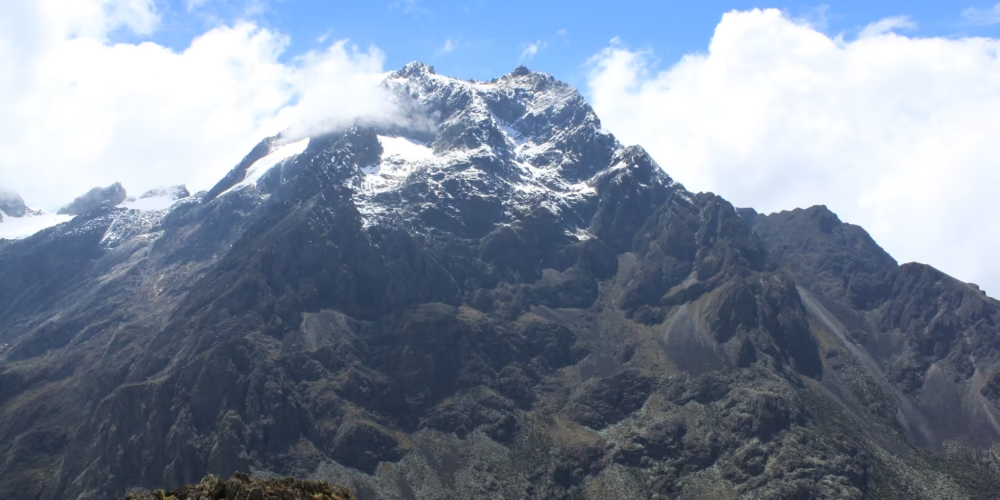

Rwenzori Mountains in Uganda
Rwenzori Mountains in Uganda: A Complete Guide.
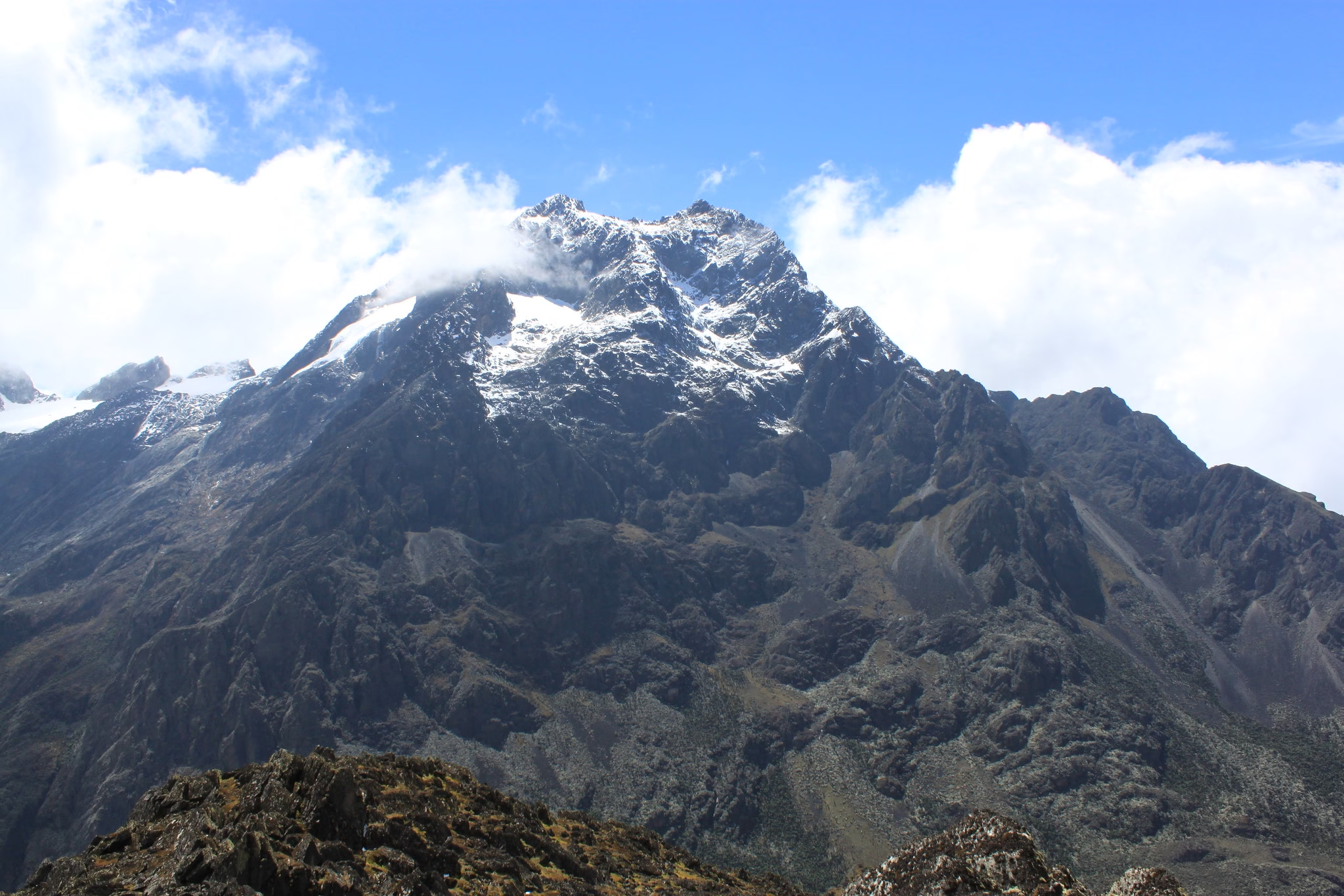
Nestled in western Uganda, the Rwenzori Mountains, often referred to as the “Mountains of the Moon,” are a true wonder of nature. This UNESCO World Heritage Site offers a breathtaking escape into lush landscapes, snow-capped peaks, and vibrant biodiversity. If you’re seeking adventure, natural beauty, and an unparalleled trekking experience, the Rwenzori Mountains should top your travel list. In this blog, we’ll delve into the unique features of this mountain range, highlight key attractions, and outline exciting activities to ensure your visit is unforgettable.
Understanding the Rwenzori Mountains
Stretching approximately 120 kilometers, the Rwenzori Mountains straddle the border between Uganda and the Democratic Republic of Congo. The range is home to Africa’s third-highest peak, Mount Stanley, which rises to 5,109 meters above sea level. Unlike volcanic mountains, the Rwenzori is a block mountain formed by tectonic activity, giving it its rugged and dramatic terrain.
The Rwenzori Mountains boast five distinct vegetation zones—from tropical rainforest and bamboo forests to alpine meadows and glaciers. This diversity supports a variety of flora and fauna, many of which are endemic to the region.
Top Attractions in the Rwenzori Mountains
- Margherita PeakThe crown jewel of Mount Stanley, Margherita Peak, is a must-visit for mountaineering enthusiasts. Its snow-capped summit offers panoramic views, making the challenging trek worthwhile.
- Rwenzori National ParkThis park is a biodiversity hotspot, housing rare species such as the Rwenzori turaco, blue monkeys, and unique plant species like giant lobelias and groundsels.
- Glaciers and LakesThe Rwenzori range is one of the few places in Africa with glaciers. These ice caps feed several scenic lakes, including Lake Bujuku, Lake Mahoma, and Lake Kitandara, each offering tranquil landscapes and photo opportunities.
- Cultural EncountersThe Bakonzo people, indigenous to the region, provide rich cultural experiences. Visitors can explore their traditional dances, crafts, and farming practices.
Activities to Enjoy at Rwenzori Mountains
- Trekking and MountaineeringThe Rwenzori Mountains are renowned for world-class trekking routes. Popular trails like the Central Circuit and Kilembe Trail cater to both seasoned climbers and intermediate hikers. Treks range from one-day hikes to 10-day expeditions.
- Bird WatchingWith over 217 bird species, including the elusive Rwenzori turaco, bird enthusiasts are in for a treat. Guided bird-watching tours are readily available.
- PhotographyFrom misty mountain vistas and cascading waterfalls to different flora and fauna, the Rwenzori Mountains provide countless opportunities for stunning photography.
- Cultural ToursVisiting local communities enhances your experience by offering insights into the customs, music, and cuisines of the Bakonzo people.
Best Time to Visit the Rwenzori Mountains
The ideal time to explore the Rwenzori Mountains is during the dry seasons: December to February and June to August. During these periods, trails are less muddy, and visibility is optimal for enjoying the scenic views.
Practical Tips for Your Rwenzori Adventure
- Permits and GuidesTrekking permits are required and can be obtained through Rwenzori Mountaineering Services or Rwenzori Trekking Services. Hiring experienced guides and porters is essential for safety and navigation.
- What to PackEssential items include waterproof clothing, sturdy hiking boots, a warm sleeping bag, and high-energy snacks. Don’t forget your camera and binoculars.
- AccommodationsOptions range from basic huts and campsites within the park to comfortable lodges in nearby towns like Kasese. Some popular choices include Equator Snow Lodge and Ruboni Community Camp.
- Health PrecautionsEnsure you’re vaccinated against yellow fever and consider antimalarial medication. Acclimatization is crucial to avoid altitude sickness during treks.
Plan your safari to the mountain of the moon.
The Rwenzori Mountains in Uganda are a treasure trove of natural beauty and adventure. Whether you’re scaling the majestic peaks, exploring the rich biodiversity, or immersing yourself in local culture, this destination promises a once-in-a-lifetime experience. Plan your journey today and discover why the “Mountains of the Moon” remain one of Africa’s best-kept secrets.