
© Copyright Visit Rwanda Gorilla, All Rights Reserved
- Gecko Safaris
- No Comments
15 African Safari Photography Tips
15 African Safari Photography Tips
Capturing the beauty of an African safari is a thrilling experience for both amateur and professional photographers. From sweeping landscapes to wildlife in action, the opportunities are endless. However, photographing in the wild comes with unique challenges. Here are 15 tips to help you take the perfect safari shots.
1. Pack the Right Gear
A DSLR or mirrorless camera with interchangeable lenses offers versatility. Pair a telephoto lens (200-400mm or longer) for wildlife close-ups with a wide-angle lens for landscapes. Bring extra batteries, memory cards, and a lens cleaning kit to stay prepared.
2. Use a Bean Bag or Tripod
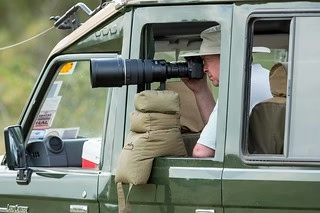
In safari vehicles, a beanbag provides stability when shooting from windows or railings. If space allows, a lightweight tripod or monopod can also help reduce camera shake, especially for long exposures.
3. Understand Animal Behavior
Knowing the habits of animals helps you anticipate action. For example, lions are most active during dawn and dusk, while elephants might gather around waterholes midday. Patience and observation are key.
4. Shoot During Golden Hours
The best light for safari photography is during sunrise and sunset. The golden hues enhance the drama and texture of your photos, adding warmth and depth to your shots.
5. Keep Your Camera Ready
Safari moments are unpredictable. Always keep your camera on standby with a suitable setting for quick shots. Use aperture priority mode (f/5.6 or lower) for wildlife or manual mode for more control.
6. Focus on the Eyes
The eyes of animals are the focal point of most wildlife photography. Ensure the eyes are sharp and well-lit, as they convey emotion and draw viewers into the image.
7. Use Burst Mode
Set your camera to continuous shooting mode to capture fast-moving subjects like running cheetahs or birds in flight. This increases your chances of getting the perfect action shot.
8. Play with Composition
Use the rule of thirds to frame your shots, placing the subject off-center for a more dynamic composition. Incorporate elements like trees, grass, or mountains for context.
9. Get Low for Perspective
Photographing from a low angle creates a more intimate and dramatic perspective. It makes animals appear larger and more powerful while immersing viewers in their environment.
10. Adjust ISO Settings
In low-light conditions, increase your ISO to maintain a fast shutter speed. Modern cameras handle high ISO well, so don’t hesitate to push it to 1600 or beyond when necessary.
11. Capture Behavior, Not Just Portraits
While close-up portraits are stunning, capturing animals interacting, hunting, or grooming adds storytelling to your photos. These candid moments often make the most memorable shots.
12. Include the Landscape
Don’t focus solely on animals—Africa’s landscapes are equally breathtaking. Shoot wide to showcase the savannahs, mountains, and sunsets that form the backdrop of the safari experience.
13. Embrace Minimalism
Sometimes, less is more. A lone giraffe against a vast horizon or a single paw print in the sand can create a strikingly simple yet powerful image.
14. Protect Your Gear
Dust is a constant challenge on safari. Keep your camera in a waterproof bag or cover it with a protective sleeve. Use a lens hood to minimize dust and glare.
15. Respect Wildlife and Nature
Never disturb animals to get a shot. Follow your guide’s instructions and maintain a safe distance. Ethical photography ensures that both you and the wildlife remain safe.
Bonus Tip: Post-Processing
Enhance your photos using editing software like Lightroom or Photoshop. Adjust exposure, contrast, and sharpness, but avoid over-editing to keep the image natural.