
- Gecko Safaris
- No Comments
Exploring Rwanda’s Rich Cultural Heritage.
Exploring Rwanda’s rich cultural heritage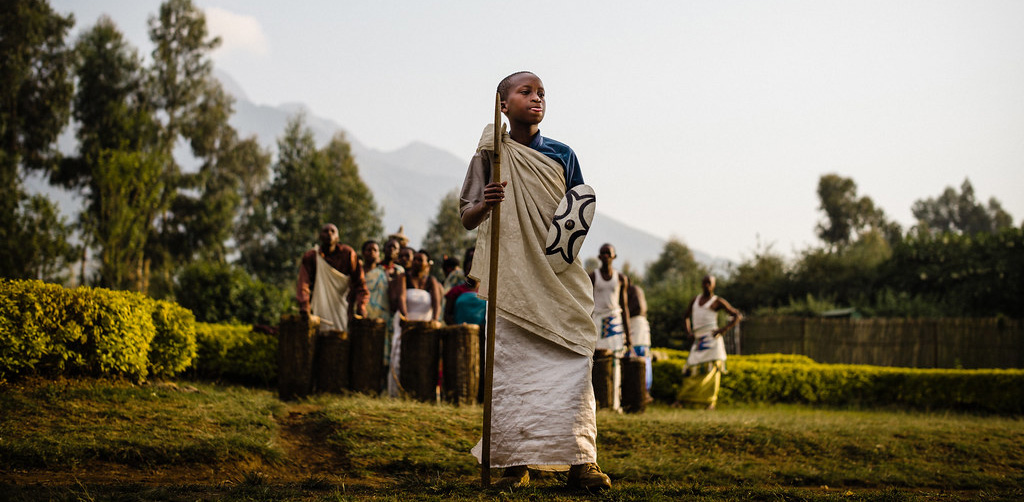
Rwanda, known as the “Land of a Thousand Hills,” is not only celebrated for its breathtaking landscapes but also for its vibrant and diverse cultural heritage. A visit to Rwanda offers an immersive experience in the traditions, customs, and daily lives of its people. From traditional dance and cuisine to historical sites and community-based tourism, the country provides countless opportunities to connect with its culture.
Traditional Music and Dance
Music and dance play a central role in Rwandan culture, often used to celebrate important events such as weddings, harvests, and naming ceremonies. The Intore Dance, performed by warriors in striking costumes, is a highlight of Rwandan cultural performances. Accompanied by drumming and traditional string instruments like the Inanga, these dances tell stories of heroism, unity, and celebration.
Visitors can enjoy live performances at cultural centers, such as the Iby’Iwacu Cultural Village near Volcanoes National Park. Here, you’ll not only witness traditional dances but also learn their meaning and even participate in the performances.
Handicrafts and Art
Rwanda is home to talented artisans whose skills have been passed down through generations. The Agaseke basket, a symbol of peace, is one of the country’s most famous handicrafts. These intricately woven baskets are made by women in rural communities and are both beautiful and functional.
Other popular crafts include pottery, beadwork, and wood carvings, which are available at local markets and cooperatives. A visit to the Nyamirambo Women’s Center or the Inema Arts Center in Kigali offers a chance to see these creations and support local artists.
Traditional Cuisine
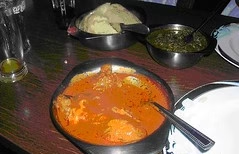
Rwandan cuisine reflects the country’s agricultural roots, with staples like sweet potatoes, beans, maize, and bananas. A must-try dish is Isombe, made from cassava leaves cooked with peanut sauce, and Brochettes, skewered meat often paired with plantains.
Participating in a traditional cooking class is a wonderful way to learn about Rwandan food and connect with local families. Many community-based tourism initiatives include cooking lessons as part of their programs.
Community-Based Tourism
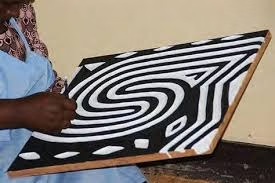
Rwanda’s community-based tourism initiatives provide an authentic glimpse into rural life. Visitors can join locals in activities like farming, basket weaving, or cattle herding. For instance, the Imigongo Art Village offers workshops on the ancient art of cow dung painting, where natural pigments are used to create stunning geometric designs.
A visit to Kinigi Village near Volcanoes National Park lets you interact with the Batwa community. The Batwa, one of Rwanda’s indigenous groups, share their unique traditions, songs, and stories, fostering cultural exchange.
Genocide Memorials and Reconciliation
Understanding Rwanda’s history is an essential part of experiencing its culture. Visiting the Kigali Genocide Memorial and other sites across the country provides insight into the 1994 Genocide against the Tutsi. These memorials are a testament to the resilience and unity of the Rwandan people, highlighting their journey toward reconciliation and peace.
Festivals and Celebrations
Rwanda hosts several annual festivals that showcase its culture and creativity. The Kigali Up! Music Festival and the Hobe Rwanda Festival celebrate local and international music, dance, and art. The Umuganura Festival, or National Harvest Day, is a traditional celebration of gratitude and communal sharing, offering visitors an authentic cultural experience.
Why Book Your Cultural Experience in Rwanda With Us?
- Expert Guidance: Our experienced guides provide deep insights into Rwanda’s history, traditions, and way of life.
- Customized Itineraries: We tailor experiences to include cultural highlights that match your interests.
- Sustainable Tourism: By booking with us, you support local communities and contribute to cultural preservation initiatives.
- Seamless Planning: From transportation to accommodations, we handle all logistics to ensure a hassle-free experience.
Rwanda’s culture is as inspiring as its landscapes, offering visitors an opportunity to connect with its people, traditions, and history. Whether you’re dancing to the rhythm of traditional drums, weaving baskets, or tasting local delicacies, Rwanda’s cultural experiences leave a lasting impression.