
What Vaccines Are Needed for Gorilla Trekking?
Gorilla trekking is one of Africa’s most extraordinary wildlife adventures, offering travelers a rare chance to meet endangered mountain gorillas face-to-face. Whether you plan to trek in Rwanda, Uganda, or the Democratic Republic of Congo, preparing for the journey involves more than booking your permit. Health and vaccination are essential parts of responsible travel.
Proper vaccination not only protects you but also safeguards the gorillas, who share about 98% of their DNA with humans and are highly vulnerable to human diseases.
Why Vaccines Are Important for Gorilla Trekking
Mountain gorillas have immune systems similar to ours, which makes them susceptible to many human illnesses such as flu, measles, and respiratory infections. Even a small cold can threaten an entire gorilla family. To prevent this, national park authorities enforce strict health regulations for visitors.
Before the trek, tourists must show proof of specific vaccinations and follow hygiene guidelines. These measures ensure that the experience remains safe and sustainable for both humans and gorillas.
Required Vaccines for Gorilla Trekking
-
Yellow Fever Vaccine
The Yellow Fever vaccine is mandatory for entry into Uganda, Rwanda, and Congo. Travelers must present an international Yellow Fever vaccination certificate upon arrival. This vaccine is a one-time shot that offers lifelong protection and must be taken at least 10 days before travel.
-
Hepatitis A and B
Both Hepatitis A and B are common in many African countries. These vaccines protect against infections that spread through contaminated food, water, or blood contact. Taking them before your trip ensures you remain healthy throughout your safari.
-
Typhoid Fever
The Typhoid vaccine guards against food and water-borne bacteria that can cause severe illness. It’s strongly recommended for anyone traveling to remote areas, where medical care may not be readily available.
-
Tetanus Booster
A Tetanus booster is essential, especially for travelers spending time in forests or rural settings. Since trekking involves hiking through dense vegetation, a small cut could expose you to infection if your vaccine isn’t up to date.
-
Measles, Mumps, and Rubella (MMR)
The MMR vaccine prevents diseases that can easily spread among humans and potentially infect gorillas. Travelers should confirm that their MMR vaccination is current, particularly if they received it many years ago.
Recommended (Optional) Vaccinations
While not mandatory, several additional vaccines are recommended for extra protection:
- Rabies: Ideal for those who plan to spend extended time outdoors or near wildlife.
- Polio: Especially important if visiting regions with active transmission or poor sanitation.
- Influenza (Flu): Prevents spreading respiratory infections to gorillas during trekking.
These vaccines reduce the risk of introducing viruses into fragile wildlife habitats.
Malaria Prevention for Gorilla Trekkers
Although malaria is not a vaccine-preventable disease, it remains a major health risk in most trekking destinations. Travelers should take anti-malarial medication as prescribed by their doctor, use mosquito repellents, and sleep under treated nets before and after the trek.
Taking preventive steps ensures a smooth and enjoyable experience without unexpected health issues.
Health Regulations in Gorilla Parks
Park authorities in Rwanda’s Volcanoes National Park, Uganda’s Bwindi Impenetrable and Mgahinga National Parks, and Congo’s Virunga National Park take strict health precautions. Trekkers showing signs of flu, cough, or fever are not allowed to track gorillas.
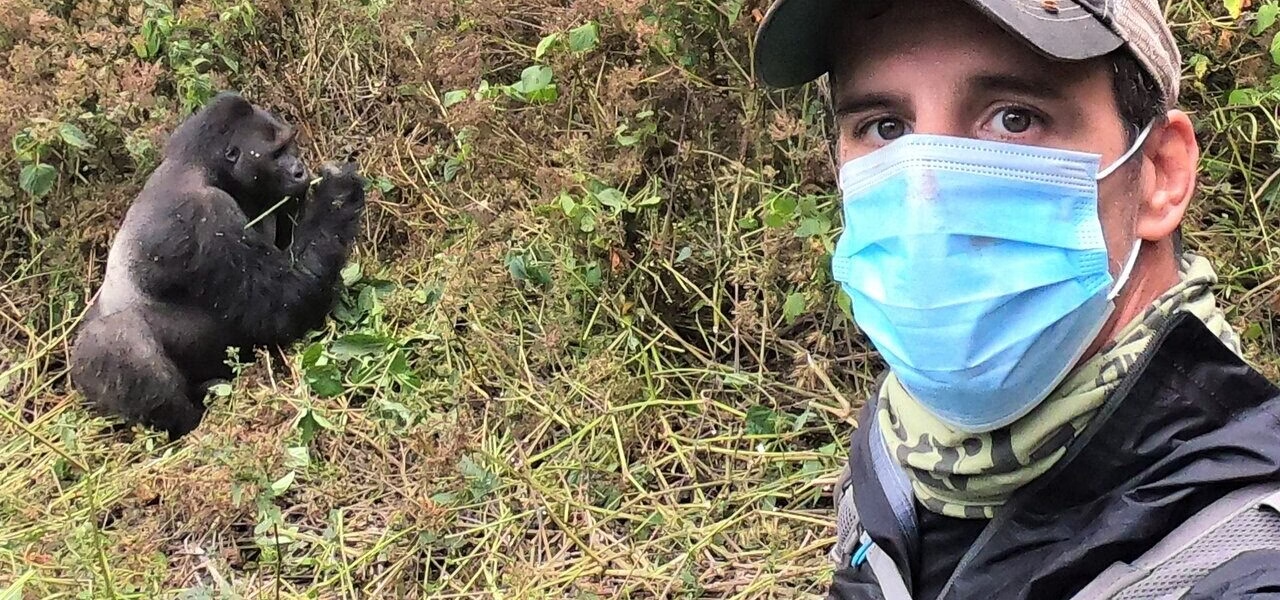
Visitors must maintain a 7 to 10-meter distance from the gorillas, wear masks during encounters, and avoid direct eye contact for too long. These rules protect the gorillas from human-transmitted infections and preserve the integrity of conservation programs.
When to Get Vaccinated
Travelers should start vaccinations at least 6 to 8 weeks before travel. Some vaccines require multiple doses over several weeks, while others need only a single shot. Consulting a travel clinic early gives enough time for full protection before departure.
Carrying your vaccination card or international health certificate is vital since park officials and border authorities may request it.
Staying Healthy During the Trek
Even with vaccinations, trekkers must practice good hygiene during their trip. Use hand sanitizer, avoid touching your face, and carry personal water bottles. Inform your guide immediately if you feel unwell before the trek.
Your health impacts the safety of gorillas, and being responsible helps sustain the conservation efforts that protect these incredible creatures.
Plan Your Gorilla Trekking Adventure
Health preparation is the first step toward a successful gorilla trekking experience. With the right vaccines and preventive care, you can focus on what truly matters — meeting the gentle giants of Africa in their natural home.