What Makes a Mountain Gorilla’s Nose So Special?
Mountain gorilla nose. Mountain gorillas are powerful, intelligent, and social. Many admire their strength and family bonds. But one feature often goes unnoticed—their nose. This part of their face plays a key role in identity, breathing, and communication.
Nose Prints: Unique Like Human Fingerprints
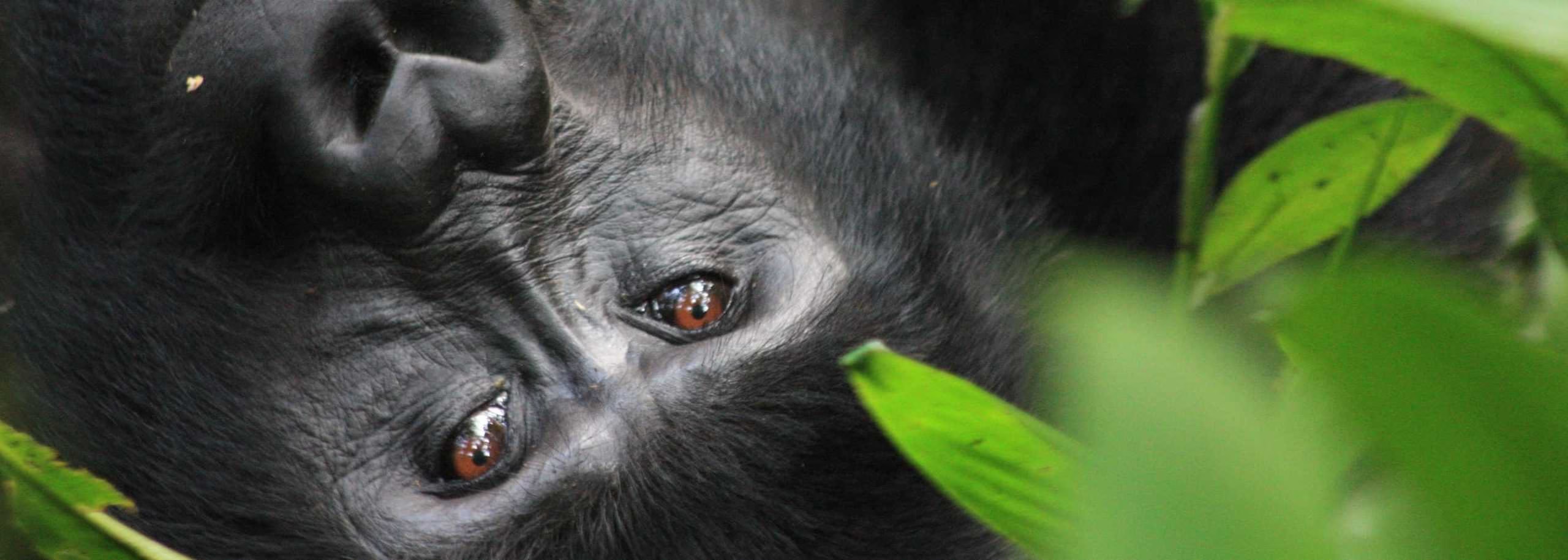
Each mountain gorilla has a distinct nose print. Wrinkles and ridges around the nostrils create this pattern. No two gorillas share the same design.
Trackers and researchers use these prints to identify individuals. They take close-up photos or draw the patterns. This helps them monitor gorillas over time. It allows conservationists to follow group movements and spot missing members.
Nose prints stay the same throughout life. They give a reliable and non-invasive way to tell gorillas apart.
Strong, Flat Nose Design
Mountain gorillas have a broad and flat nose. This matches their large skulls and powerful jaws. The nose structure supports strong facial muscles. These muscles help them chew tough leaves and stems.
Their wide nostrils allow easy airflow during activity. Whether climbing, eating, or calling, gorillas need good oxygen flow. This flat nose design suits their forest environment and diet.
Communication Through the Nose
Gorillas use their faces to communicate. The area around the nose helps show emotion. A gorilla might flare its nostrils when stressed or alert. These small changes help others understand mood or intention.
In social groups, facial signals help avoid fights and build bonds. The nose, eyes, and mouth work together to show expression.
Smell in a Gorilla’s World
Gorillas do not rely on smell as much as some animals. But they still use it. They can smell fruit to check ripeness. They also detect the scent of other gorillas or predators.
In captivity, gorillas respond well to scent-based toys or puzzles. In the wild, they stay alert to changing smells. Their nose helps them sense danger and stay safe.
Why the Nose Matters in Conservation
Knowing each gorilla’s nose print helps in conservation. Rangers in Uganda, Rwanda, and Congo use nose records. These help track individuals, count population, and protect gorilla families.
When a gorilla goes missing, teams can compare prints. This allows fast response and better protection. Conservation groups like the Dian Fossey Gorilla Fund rely on these tools. Nose prints help save lives.
Plan Your Encounter With the Great Apes
The mountain gorilla’s nose is more than a physical feature. It helps with identity, expression, and survival. During a gorilla trek, take a moment to observe this detail. You’ll see the ridges that make each gorilla unique.
Every nose tells a story. And every gorilla matters.