
Waste Management: Traveling with Minimal Environmental Impact in Uganda
waste management in Uganda. Uganda, the Pearl of Africa, is known for its lush landscapes, rare wildlife, and friendly people. Tourists come to explore its national parks, trek mountain gorillas, or cruise the Nile. But while discovering its natural beauty, visitors can also contribute to protecting it. Responsible waste management while traveling is one of the easiest and most powerful ways to preserve Uganda’s fragile ecosystems.
Understanding the Challenge
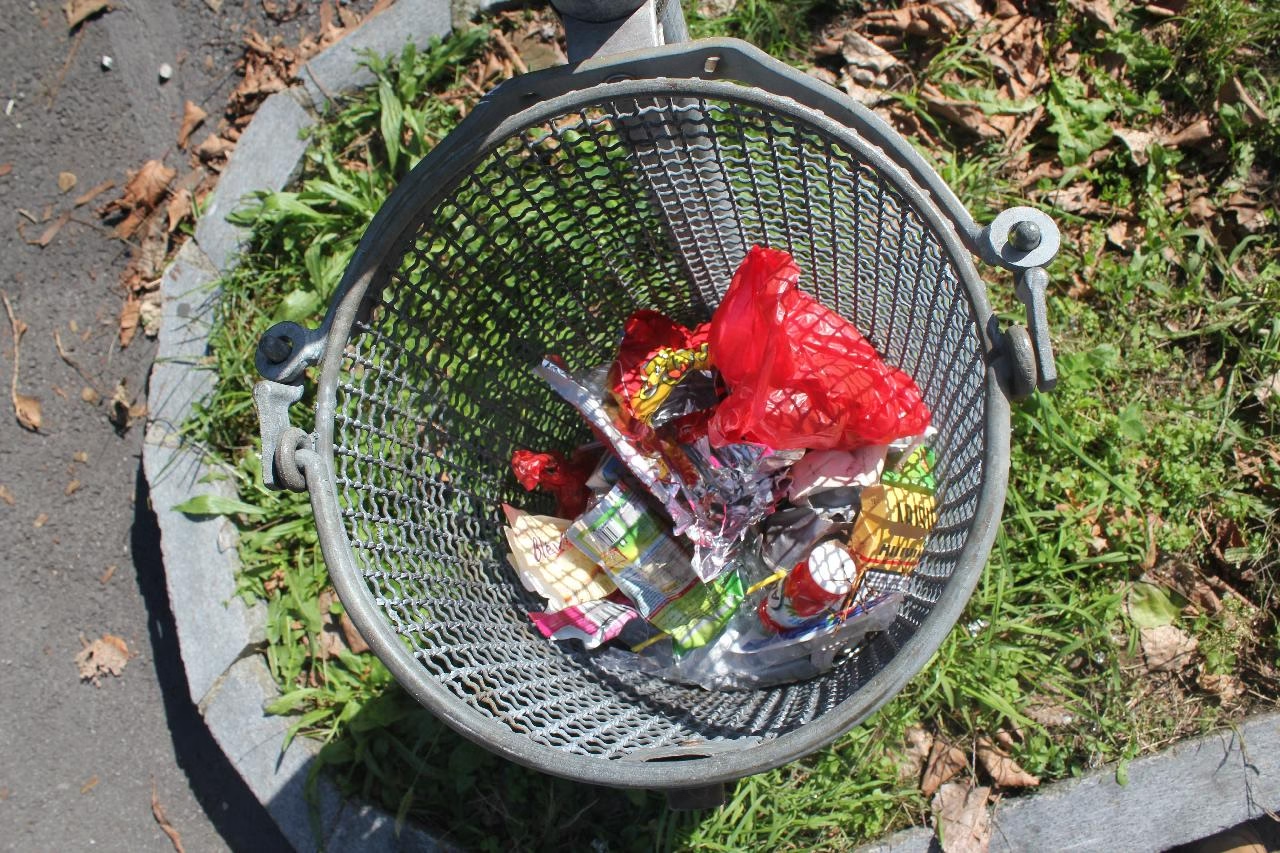
Uganda faces a growing waste problem. Rapid urbanization and increased tourism bring with them plastic waste, discarded food containers, and other forms of litter. Towns like Kampala and tourism hubs such as Entebbe or Bwindi Impenetrable National Park deal with solid waste collection challenges daily. Unlike in many Western countries, Uganda’s waste disposal infrastructure is still developing. That means every visitor must take personal responsibility for the impact they create.
Travel Light, Leave Less Behind
One of the simplest ways to reduce your footprint is to travel with reusable items. Bring your own refillable water bottle, metal straw, and cloth shopping bag. Avoid single-use plastics whenever possible. These small choices can make a big difference in places where waste sorting or recycling is limited.
If you’re packing snacks or toiletries, opt for minimal packaging. Buy locally whenever you can. Many Ugandan markets offer fresh fruits, roasted peanuts, or snacks wrapped in banana leaves instead of plastic. Choosing these helps you reduce packaging waste and supports the local economy.
Choose Eco-Friendly Lodges and Tour Operators
Uganda is home to several eco-lodges and safari companies that prioritize sustainability. These lodges often use solar power, compost organic waste, and avoid single-use plastics. Ask your tour operator what waste management policies they follow. Operators who care about the environment often work with conservation groups and encourage travelers to follow eco-guidelines on the road.
When booking accommodation, look for those certified by the Uganda Tourism Board or international bodies for eco-tourism. Staying in places that manage waste responsibly means your journey supports greener practices across the tourism chain.
Proper Disposal in National Parks
Uganda Wildlife Authority (UWA) encourages visitors to pack out everything they pack in. Whether you’re trekking gorillas in Bwindi or hiking Mount Elgon, don’t leave any litter behind. Park rangers and guides will often remind you to be mindful, but the responsibility lies with you.
Waste left in the wild endangers both animals and people. Plastics can be eaten by animals or choke streams. Even organic waste like banana peels can disrupt animal diets and attract unwanted wildlife to human trails. Always carry a small bag to collect your waste until you can dispose of it properly.
Reduce Digital Pollution Too
While physical waste is easier to see, digital waste has an environmental cost too. Uploading and storing thousands of unnecessary photos or videos increases demand on data servers, which use significant energy. Instead, be mindful. Select and save only your best captures. You’ll enjoy a cleaner photo library and reduce your energy footprint indirectly.
Support Clean-Up Projects
Some communities in Uganda organize cleanup days along the shores of Lake Victoria or in towns near national parks. If you have time, join one of these initiatives. Even one hour of effort helps keep key tourist areas clean and educates others through your actions.
You can also support organizations working in waste management, such as Plastic Recycling Industries Uganda or the Uganda Scouts Association’s conservation programs. Donating or simply spreading awareness helps amplify their impact.
Carry Out, Don’t Burn or Bury
Avoid burning waste, especially plastics. In Uganda, some lodges and locals burn garbage due to lack of municipal collection. But this releases toxic fumes. If you’re in a remote area with no bins, carry your waste out with you. Burying isn’t a good alternative either, especially in ecologically sensitive regions.
Educate and Influence Others
Lead by example. Encourage fellow travelers to follow waste-conscious habits. Talk to your driver or guide about responsible waste management if they discard rubbish carelessly. Many people, including locals, may not be fully aware of the long-term damage caused by improper waste disposal. A kind reminder can spark awareness and create change.
Sustainable Travel Is a Shared Responsibility
Tourism plays a major role in Uganda’s economy. But it must also protect the land it profits from. When you manage your waste properly, you help keep Uganda’s wild spaces clean and beautiful. This ensures future visitors can enjoy the same breathtaking views, wildlife encounters, and cultural experiences.