
The Power of Visual Storytelling in Promoting Tourism in Uganda
Uganda, known as the Pearl of Africa, offers a raw and breathtaking beauty that words often fail to fully capture. From the misty slopes of Bwindi to the golden savannahs of Queen Elizabeth National Park, every corner tells a unique story. Visual storytelling helps bring those stories to life.
In today’s digital world, tourism is not just about visiting a destination. It’s about sharing experiences and inspiring others to explore. For Uganda, visual storytelling has become a powerful tool in attracting travelers from around the globe.
What Is Visual Storytelling?
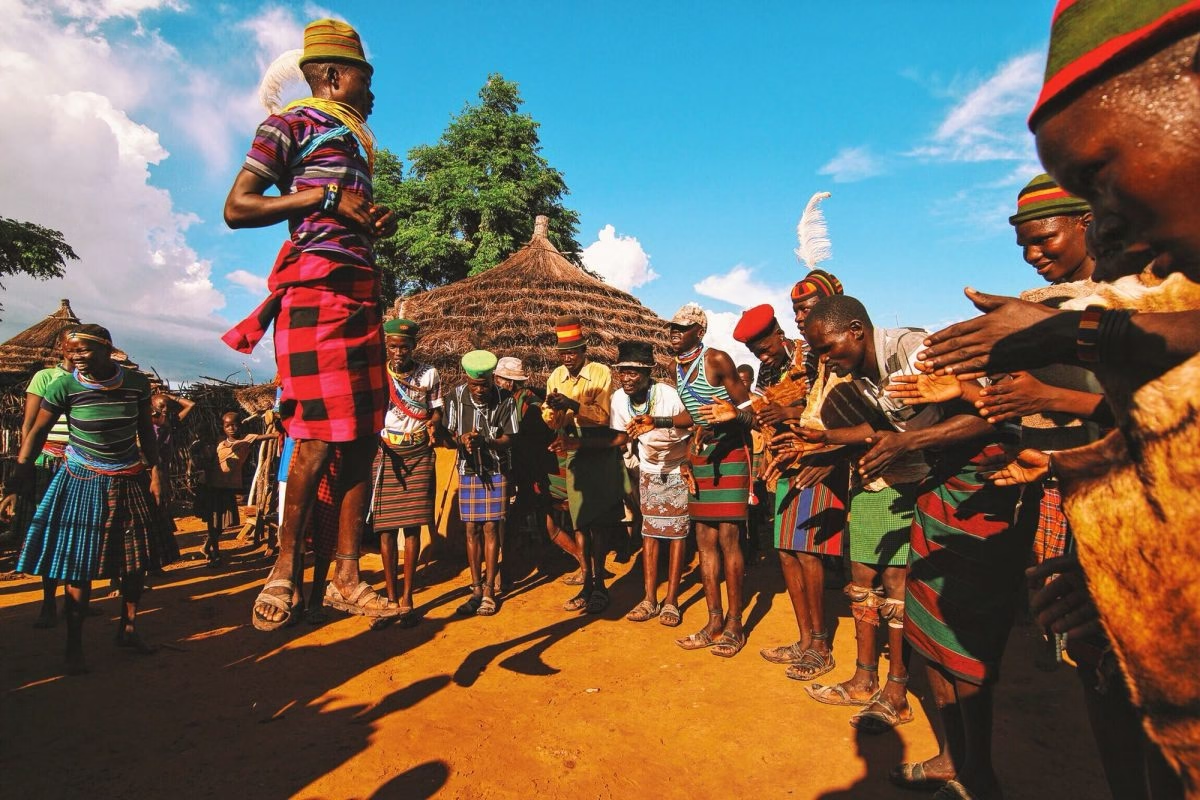
Visual storytelling is the use of photos, videos, and design to share narratives. It speaks directly to emotion. It gives depth and context to a place or moment. One well-captured image of a silverback gorilla in its natural habitat or a video of children dancing in a village celebration can say more than a thousand words.
With smartphones, drones, and social media platforms, anyone can become a storyteller. And for Uganda, that means every visitor can help promote tourism simply by sharing their journey.
Why Visuals Matter More Than Ever
Travel decisions are often driven by what people see online. Platforms like Instagram, TikTok, and YouTube now play a bigger role in travel planning than guidebooks. A vibrant photo of Lake Bunyonyi or a cinematic clip of a boat ride on the Nile can turn a curious browser into a committed traveler.
Visual content triggers imagination. It allows potential visitors to see themselves inside that scene. They begin to feel the adventure, the culture, the warmth of Ugandan hospitality. That emotional connection is what drives bookings.
Capturing the Ugandan Experience
Uganda’s tourism strengths go far beyond wildlife. Visual storytelling helps highlight lesser-known gems. A still shot of a homestay breakfast with a local family in Kabale. A drone video of the Sipi Falls crashing over lush cliffs. A time-lapse of Kampala’s bustling taxi parks at sunset.
These visuals show the rhythm of life in Uganda. They help reshape outdated perceptions. For many international viewers, such imagery shows a side of Africa rarely covered in mainstream media — one filled with beauty, joy, and authenticity.
Empowering Local Creators
Uganda’s own photographers, filmmakers, and influencers are now telling their stories. This local voice gives the narrative more depth and credibility. It also ensures the country’s culture is portrayed with accuracy and respect.
From travel vloggers exploring the countryside to young photographers capturing city life, Ugandan creators are changing how the world sees their country. Support from tourism boards, brands, and NGOs helps amplify their work.
When locals are behind the lens, the result is more than just promotion — it becomes cultural preservation and empowerment.
Tourism Businesses and Visual Branding
For tour operators, lodges, and national parks, investing in visual content is no longer optional. A well-crafted photo gallery on a website can improve conversions. A short video introduction to a gorilla trek can help prepare travelers emotionally and practically.
Even brochures and signage can benefit from strong imagery. These visuals don’t just inform; they persuade. They shape expectations and deliver a sense of professionalism.
Businesses that use consistent, high-quality visual content build stronger trust with potential visitors.
Inspiring Conservation Through Imagery
Uganda’s natural beauty is one of its biggest tourism draws. But it’s also fragile. Powerful visuals can inspire conservation. A short film about the mountain gorilla conservation efforts in Bwindi can move audiences to support wildlife protection.
Images of clean lakes, protected forests, and thriving communities show the value of eco-tourism. When travelers see these impacts, they are more likely to travel responsibly and contribute to sustainability.
Sharing Across Borders
Thanks to the internet, a photo taken today in Kisoro can reach someone in Berlin or Tokyo within seconds. Visual storytelling breaks language barriers. It bridges cultures. It turns Uganda’s travel story into a global conversation.
This accessibility is especially helpful for attracting younger travelers. Millennials and Gen Z rely heavily on video platforms and visual media when choosing travel destinations. Uganda’s visual identity must stay active and creative to capture this market.
How Travelers Can Contribute
Tourists themselves are key players in promoting Uganda through visual storytelling. By capturing and sharing their moments — respectfully and responsibly — they become global ambassadors.
It’s important, though, to tell honest stories. Highlight the beauty, but also respect the culture and privacy of local people. Don’t stage or exaggerate moments. Real, heartfelt content connects more deeply with viewers.
Plan Your Safari
Uganda is more than a destination — it’s a story waiting to be told. Whether you’re a professional photographer, a travel vlogger, or just someone with a phone and a love for nature, your visuals can inspire the world. Start planning your safari not just as a trip, but as a journey of storytelling. Choose locations that speak to your soul, pack your camera, and get ready to share Uganda’s magic through your lens.
Your story could be the one that convinces someone else to visit, support conservation, or see Africa with new eyes.