
Ugandan Music & Dance: A Cultural Fusion of Rhythm
Ugandan music and dance offer a powerful expression of identity, community, and joy. Rooted in tradition but open to modern influences, they reflect the country’s cultural richness and diversity.
Across Uganda’s groups and regions, every rhythm tells a story—of love, war, harvest, birth, or worship. Whether through the beat of drums or the movement of feet, music and dance bring Ugandans together.
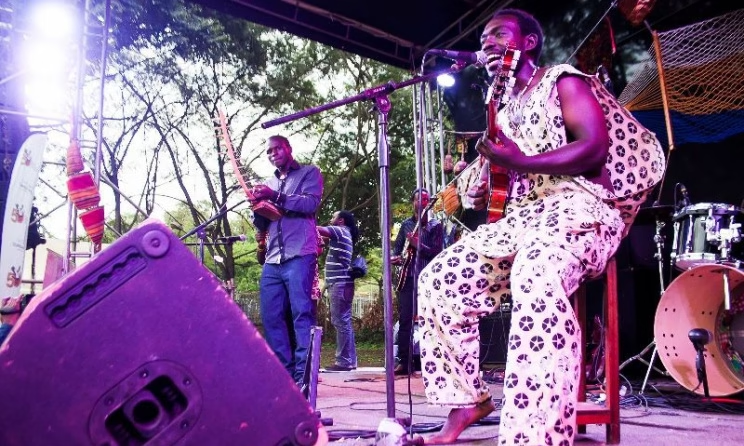
A Nation of Rhythms
Uganda has over 50 ethnic groups, and each has its own music and dance styles. From the fast-paced Bakisimba of the Baganda to the intense Runyege-Ntogoro of the Banyoro, every tradition carries its own energy and purpose.
Music and dance play key roles in ceremonies, storytelling, and conflict resolution. They’re part of weddings, coronations, funerals, and initiation rites.
Traditional Instruments
Ugandan music is rich in percussion and string instruments, all made from natural materials. Common instruments include:
- Engalabi – a long drum made with reptile skin
- Amadinda – a traditional xylophone
- Endingidi – a one-string fiddle
- Adungu – a harp-like string instrument from northern Uganda
Drumming is central to many performances. The rhythm signals changes in tempo and mood, guiding dancers in coordinated movement.
Dance as a Language
In Uganda, dance is more than entertainment — it communicates. Dancers use posture, hand gestures, footwork, and facial expressions to express meaning.
For example, the Larakaraka dance from northern Uganda shows courtship rituals, while the Ekizino dance from the southwest celebrates unity and abundance.
Each dance connects to the land, ancestry, and everyday life. Movements often mimic farming, animal herding, or hunting.
Urban Influence and Contemporary Sound
Modern Ugandan music blends traditional rhythm with genres like Afrobeat, dancehall, hip-hop, and gospel. Artists such as John Blaq, Eddy Kenzo, Sheebah Karungi, and Azawi have brought Ugandan sound to international platforms.
The Kadongo Kamu genre, Uganda’s version of acoustic storytelling, continues to influence modern music. Lyrics address love, politics, and social life.
Radio, television, and streaming platforms have fueled this musical evolution, making local music more accessible to the youth and global audiences.
Festivals and Live Performances
Uganda’s music and dance culture shines during festivals such as:
- Bayimba International Festival – A celebration of performing arts in Kampala
- Nyege Nyege Festival – A mix of electronic, African, and global underground music in Jinja
- Pearl Rhythm Festival – Spotlighting live band performances and traditional fusion
These events gather performers from across Africa, highlighting both heritage and innovation.
Music and Dance in Tourism
Tourists visiting Uganda often enjoy cultural performances at lodges, community centers, and cultural villages. Some even join workshops to learn traditional dances and drumming techniques.
These experiences create a deeper connection with Ugandan culture and support local artists.
Plan Your Visit
Whether you are in a Kampala nightclub, a village courtyard, or a festival crowd, Ugandan music and dance will move you — literally and emotionally.
Attend a live show, visit a cultural center, or learn a traditional dance from a local group. Let the rhythm guide your journey.