Tribes in South Sudan: Exploring the Rich Cultural Mosaic
South Sudan, Africa’s youngest nation, is home to over 60 ethnic groups. Each tribe has its own language, traditions, and cultural practices, making the country a vibrant mosaic of heritage. Understanding these tribes gives travelers insight into South Sudan’s social structure, rituals, and daily life.
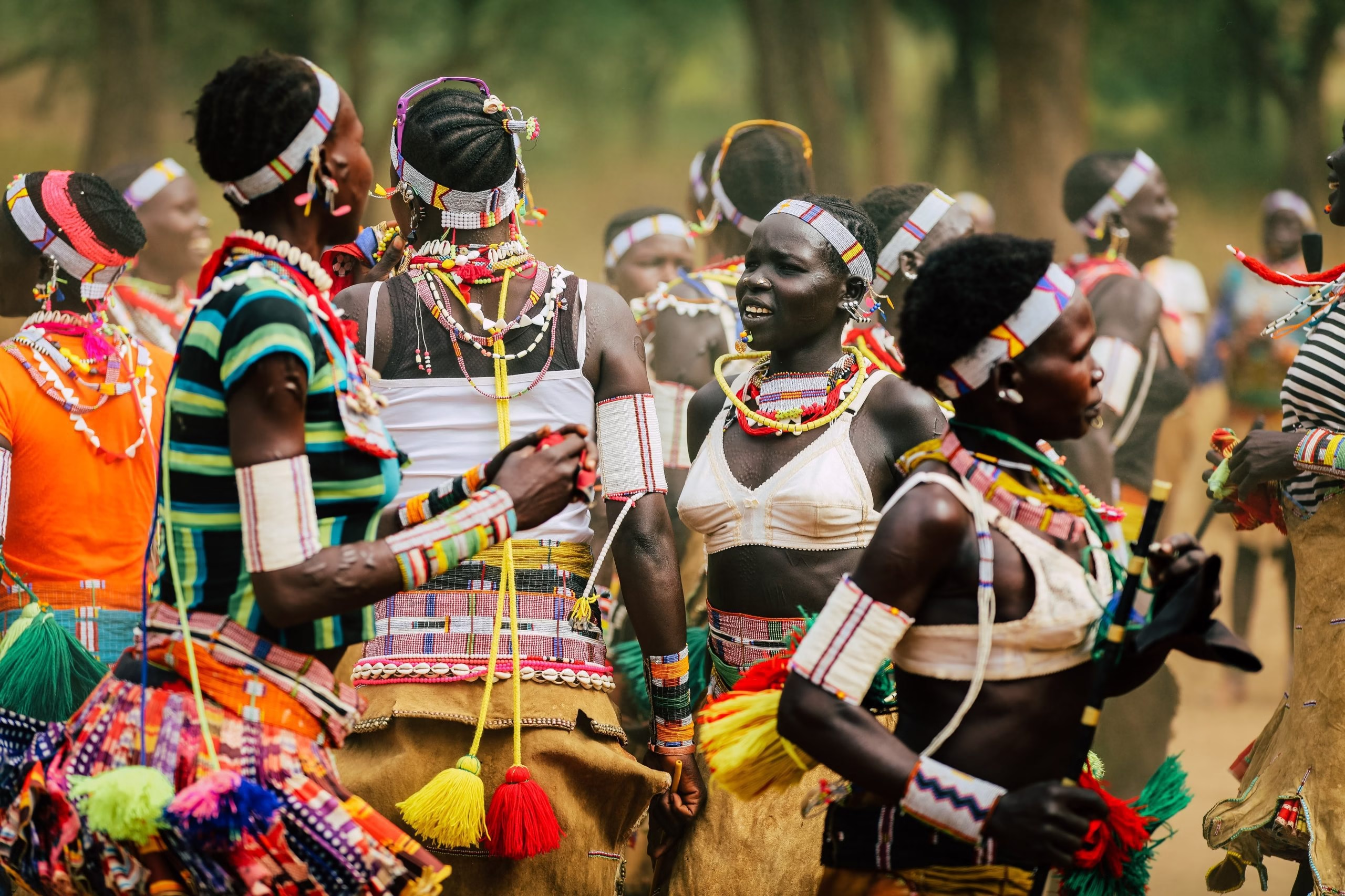
Major Tribes in South Sudan
Dinka
The Dinka form the largest ethnic group in South Sudan. They herd cattle, which play a central role in their economy and culture. Dinka communities organize themselves in clans, and they use cattle to symbolize wealth and social status. They perform rituals, music, and traditional dances as key parts of festivals and celebrations.
Nuer
The Nuer are closely related to the Dinka but maintain distinct traditions. They also herd cattle and practice subsistence farming. Nuer society emphasizes lineage and clan loyalty, and their ceremonies often involve elaborate dances, music, and storytelling.
Shilluk
The Shilluk primarily live along the White Nile. Their society is structured around a monarchy system, with a reigning king playing a spiritual and administrative role. Agriculture, fishing, and cattle herding sustain the Shilluk communities. Their cultural rituals include initiation ceremonies and traditional dances.
Azande
The Azande reside in Western Equatoria and are known for their farming, hunting, and craftsmanship. Historically, they were famous for their magic and oracles, which guided decision-making in the community. Art, beadwork, and storytelling are central to Azande culture.
Bari
The Bari people live near Juba, the capital. They are primarily farmers and fishermen. Their culture features traditional music, dances, and rituals, often performed during harvests and community celebrations. The Bari are also known for elaborate beadwork and colorful clothing.
Other Notable Groups of People
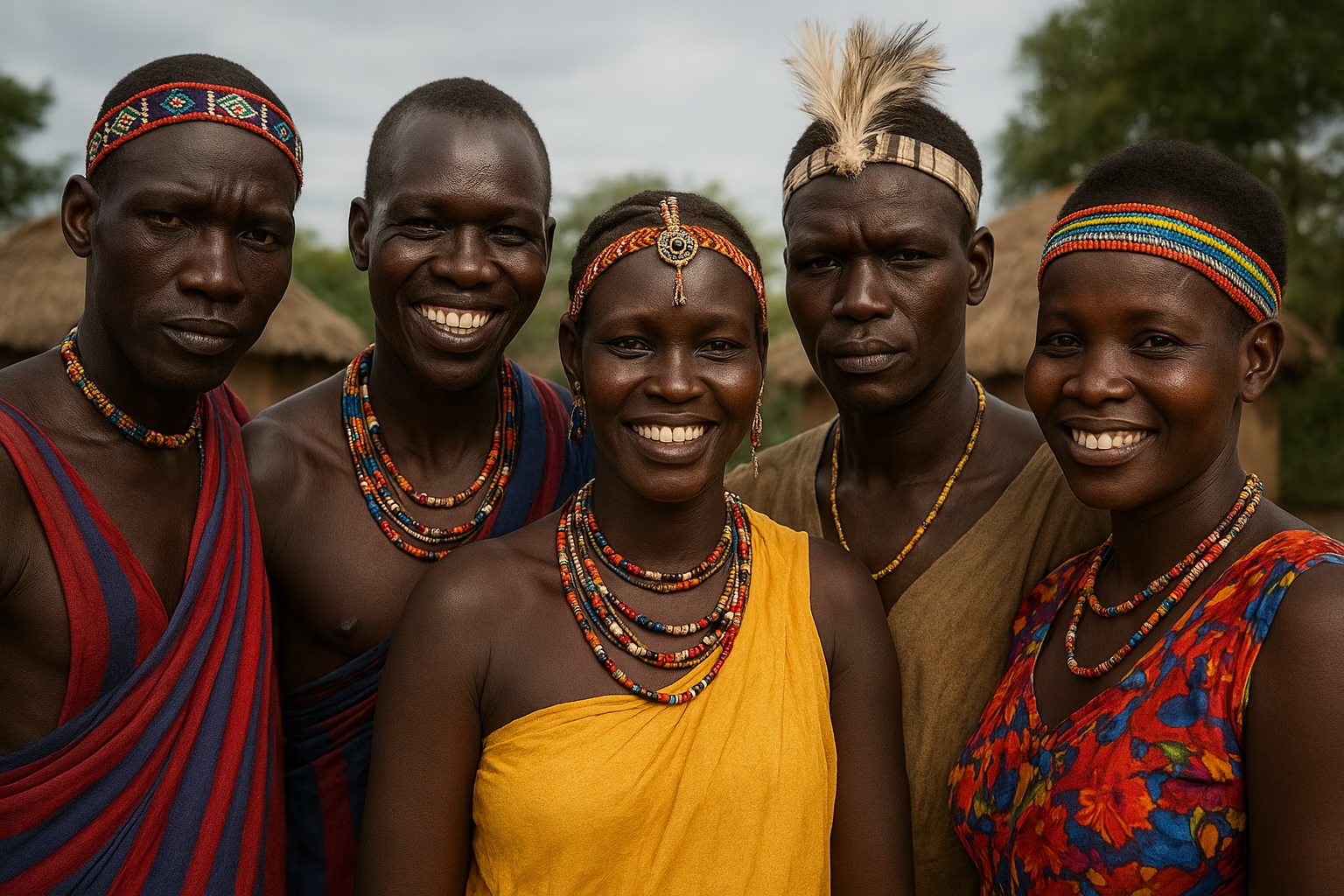
South Sudan is home to smaller groups such as the Fertit, Lotuko, Toposa, Mundari, and Didinga. Each group preserves its own language, customs, and social norms. Festivals, marriage ceremonies, and rites of passage remain essential to maintaining cultural identity.
#
Cultural Significance of South Sudanese people
-
Language and Oral Tradition: Each groups of people has unique languages, proverbs, and oral histories.
-
Social Structures: Clans, lineages, and traditional leadership guide community life.
-
Ceremonies and Rituals: Initiation rites, harvest festivals, and weddings showcase art, music, and dance.
-
Art and Craftsmanship: Beadwork, pottery, and wood carvings reflect each group’s creativity and heritage.
Plan Your Cultural Exploration
Visiting South Sudan offers a unique opportunity to engage with diverse communities. Travelers can experience traditional ceremonies, learn about cattle herding, participate in dances, and explore the country’s rich cultural landscape.
📩 Contact Gecko Safaris Africa today to include a cultural tour of South Sudanese group in your itinerary. Experience the vibrant traditions and heritage of this fascinating country.