Traditional Healing Practices: Exploring Ugandan Medicine
Traditional healing Uganda. Long before hospitals and pharmacies came to Uganda, healing was already a way of life. Communities relied on plants, rituals, and ancestral wisdom to treat illness. These practices were passed down through generations. Today, traditional healing still plays a vital role in many Ugandan households.
Exploring Uganda’s traditional medicine offers a deep look into its culture, beliefs, and connection with nature. It reveals how healing is not just about the body but also the spirit and the community.
A Living Heritage
Traditional healing in Uganda is diverse. It reflects the country’s over 50 ethnic groups, each with its own approach to wellness. From the Baganda in central Uganda to the Bakiga in the southwest, every group has its own knowledge of herbs, roots, and spiritual practices.
These healers — often known as “omusawo w’ekyalo” (village doctor) or “muganga” — are respected figures. They use a mix of herbal remedies, massage, bone setting, spiritual readings, and counseling. Some specialize in specific areas such as fertility, snake bites, or mental health.
Many Ugandans consult both modern and traditional healers. In rural areas, traditional medicine remains more accessible than formal healthcare, and often more affordable.
Herbal Medicine: Nature’s Pharmacy
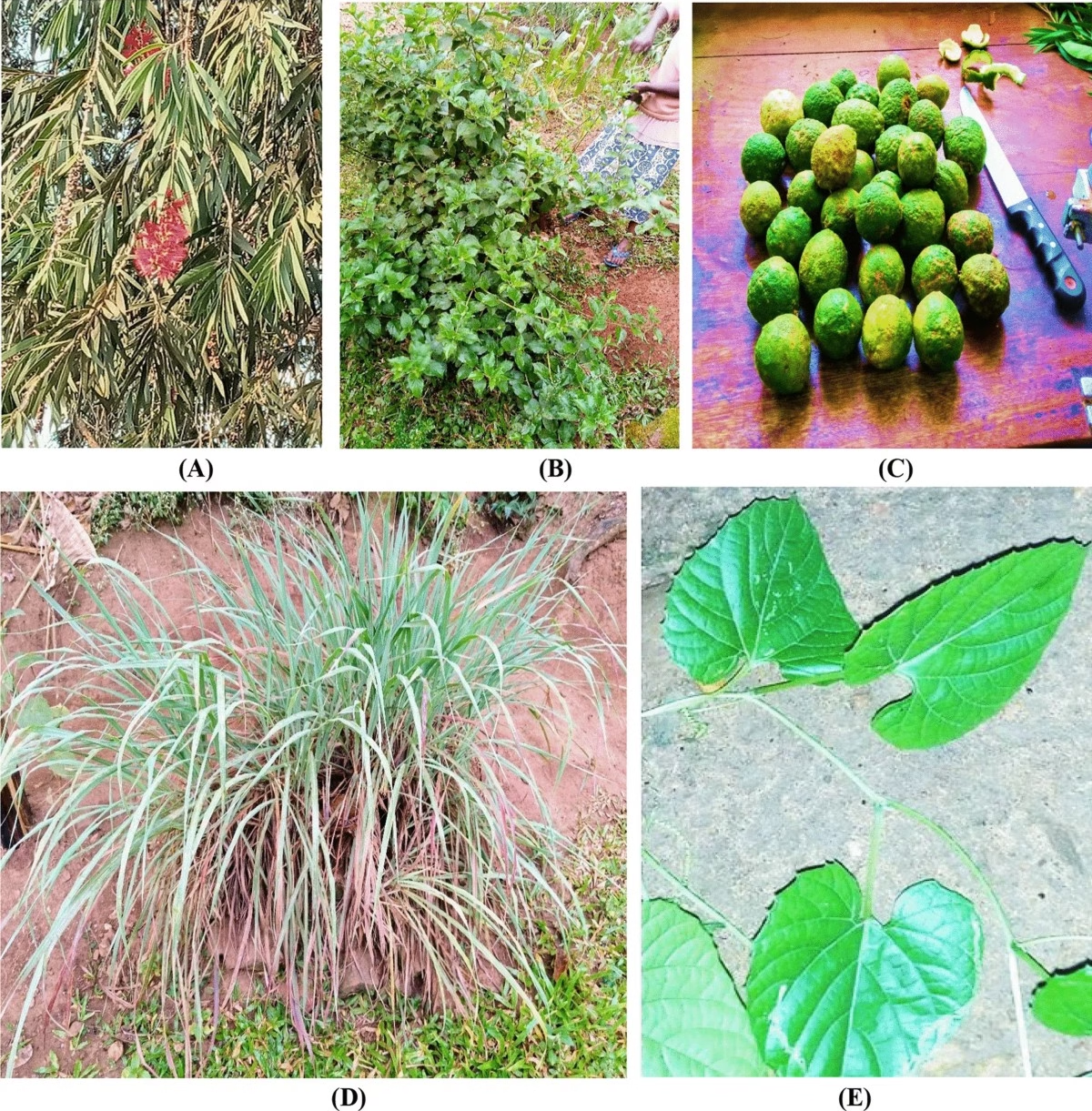
Uganda’s forests and wetlands are rich in medicinal plants. Healers often work closely with nature, harvesting leaves, bark, or roots to prepare remedies. Common plants used include:
- Neem tree (Azadirachta indica): Used for fever, skin infections, and boosting immunity.
- African wormwood (Artemisia afra): Treats malaria and digestive issues.
- Aloe vera: Used for wounds, burns, and internal cleansing.
- Prunus africana: Known for treating prostate issues.
The process is often sacred. Healers may ask permission from spirits or ancestors before harvesting. Remedies are usually prepared with great care, sometimes combined with rituals or prayer.
Spiritual Healing and Divination
Healing in Ugandan tradition goes beyond the physical. Illness may be seen as a sign of spiritual imbalance, ancestral anger, or curses. In such cases, spiritual healers perform rituals to restore harmony.
These may involve chanting, drumming, animal sacrifices, or the use of sacred objects like cowrie shells or herbal smoke. Divination is also common. A healer may read patterns in bones, stones, or water to understand the cause of illness.
Such ceremonies bring together family members, elders, or even the entire village. Healing becomes a communal act — one that reconnects people with their roots and beliefs.
Role in Modern Uganda
Despite the growth of hospitals and clinics, traditional medicine has not disappeared. In fact, it continues to evolve. Some herbalists now work alongside modern doctors. Others package their remedies and sell them in shops or markets.
The Ugandan government, through the Ministry of Health, has recognized the value of traditional medicine. Efforts are underway to regulate healers and document indigenous knowledge. Organizations like PROMETRA Uganda train traditional practitioners in hygiene and safety while protecting their cultural knowledge.
Universities and researchers are also studying these remedies for their medicinal value. Some herbal formulas used in Ugandan villages are now attracting global interest.
Challenges and Misconceptions
Like all systems, traditional healing has challenges. Some fake healers exploit people by making false claims or charging high fees. Others mix dangerous substances or operate in secrecy. This has created fear or mistrust among some Ugandans.
There’s also tension between traditional and modern medicine. Some people view herbal remedies as unscientific, while others fear spiritual practices as superstitious. Bridging this gap requires respect and regulation — not rejection.
Education plays a key role. Many young Ugandans are now working to preserve traditional knowledge while promoting safe and honest practice.
Cultural Experience for Tourists
For visitors to Uganda, exploring traditional healing offers a rich cultural experience. Some cultural centers or eco-lodges offer demonstrations of herbal preparation. Others allow tourists to meet healers, tour medicinal gardens, or participate in storytelling sessions.
These experiences are not only educational — they also promote respect for Uganda’s heritage and support community livelihoods.
If you choose to explore this side of Ugandan life, always do so with permission, cultural sensitivity, and curiosity. Healers are generous with their knowledge but appreciate respect for their practices.
Plan Your Safari
Traveling through Uganda opens your eyes to more than wildlife and scenery. It reveals the wisdom of ancient traditions and the role they play today. Adding a visit to a traditional healer or a herbal garden to your safari gives depth to your experience.
You come away with more than photos — you take home stories, insights, and a new appreciation for nature’s power. Plan your safari with room for cultural discovery. Let Uganda heal your spirit as much as it thrills your senses.