
Things to Do in Mbarara City.
Mbarara City, known as the “Land of Milk,” lies in the heart of southwestern Uganda. Though often seen as a stopover on the way to Bwindi or Queen Elizabeth National Park, this fast-growing city offers plenty to explore on its own. With a mix of culture, history, wildlife, and vibrant urban life, Mbarara welcomes travelers with more than just a friendly face—it offers stories, flavors, and experiences that stay with you.
Start with the City Itself
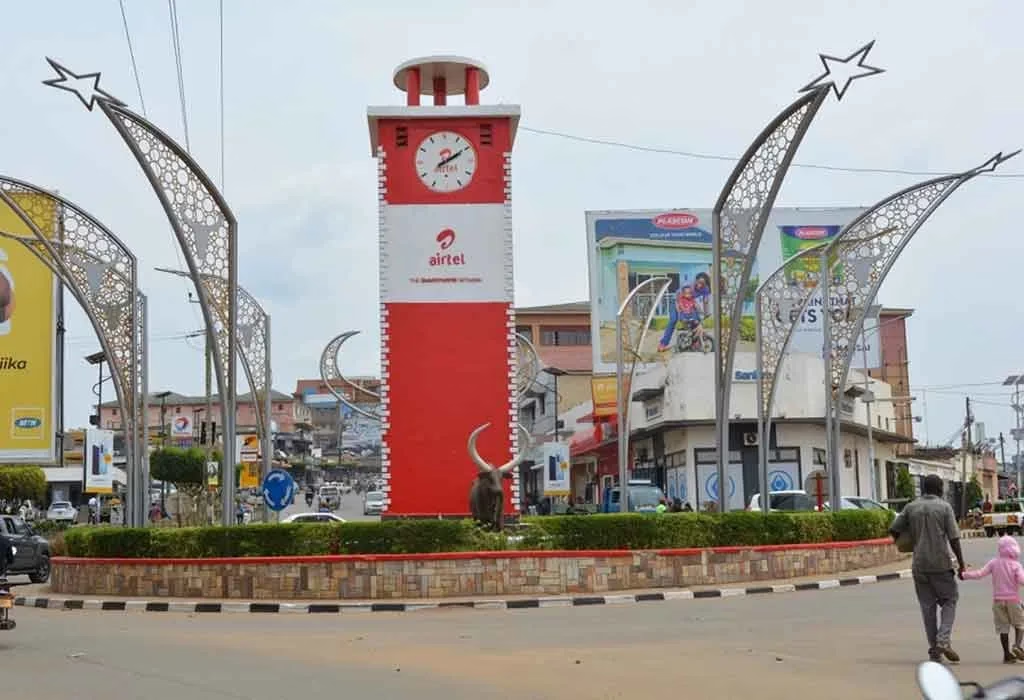
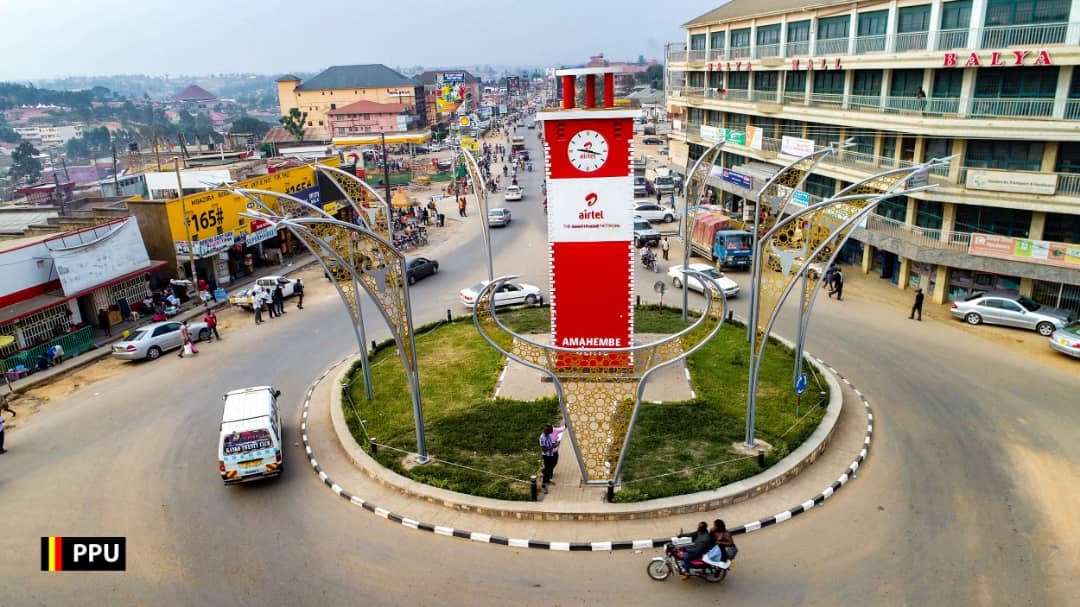
Begin your visit in the city center. The streets hum with activity. Markets bustle with fresh produce, crafts, and local fabrics. The Amahembe G’ente Monument, shaped like longhorn cattle horns, proudly stands as a symbol of the region’s rich cattle heritage. Here, Mbarara shows off its Ankole identity without saying a word.
You can explore the city’s neighborhoods on foot or by boda-boda. Stop for a cold drink at a roadside café. Visit the Country Cinema for an evening movie. Or just take in the urban rhythm—students, farmers, and traders shaping Uganda’s future.
Step into History and Culture
Head east of the city to Igongo Cultural Centre, one of the region’s cultural pillars. This award-winning center sits along the Mbarara–Masaka highway. Inside, the Eriijukiro Museum traces the roots of the Banyankole people. You’ll see traditional homesteads, warrior tools, musical instruments, and cattle regalia.
After the museum, enjoy a meal at Igongo’s restaurant. They serve dishes like eshabwe and smoked beef—simple, hearty meals that define Ankole cuisine.
Nearby, climb the small hill in Biharwe to find the Biharwe Eclipse Monument. This striking structure commemorates a solar eclipse that altered local politics in 1520. It features three pillars, each representing a king affected by the event, and a central sphere to mark the eclipse.
Venture into Nature
While Mbarara is a city, nature surrounds it. Just 30 kilometers away, you’ll find Lake Mburo National Park. This small but beautiful park bursts with wildlife—zebras, giraffes, impalas, and over 300 bird species. It’s one of the few places in Uganda where you can enjoy a horseback safari. You’ll also find boat cruises, walking safaris, and night drives.
If you want something closer, take a short ride to River Rwizi, which meanders through the outskirts of the city. It’s ideal for canoeing and birdwatching, especially in the early morning.
For a more relaxed escape, spend the day by Lake Nakivale. Sandy shores, warm breezes, and wide skies create a perfect picnic spot. You can also engage with locals from the Nakivale Refugee Settlement, which adds a unique human dimension to the landscape.
Meet the People
To truly understand Mbarara, you need to meet its people. In Sanga Cultural Village, not far from Lake Mburo, the Hima people offer cultural demonstrations. You’ll learn about their dress, dance, cattle traditions, and ancient customs. These interactions go beyond photos—they spark conversations that bridge worlds.

In town, join a guided city tour. Some operators offer customized experiences where you can visit local schools, farms, and even participate in cooking sessions.
When to Visit
Mbarara enjoys a warm climate throughout the year. The dry months—from January to March and June to August—make travel easier and more enjoyable. Roads stay dry, and the skies remain clear. Even during the wetter months, rain tends to fall in short bursts, leaving time for exploration.
Plan Your Tour
Whether you are stopping over or staying longer, Mbarara City invites you to dig deeper. Don’t just pass through. Wander its streets, listen to its stories, and feel the heartbeat of western Uganda.
This isn’t just a city of milk. It’s a city of heritage, wildlife, resilience, and opportunity.