
The Vegetarian Guide to African Safaris: Top Tips for Vegetarians
Vegetarian African safari. African safaris offer breathtaking landscapes, extraordinary wildlife, and immersive cultural experiences. Vegetarians often worry about meal options in regions famous for game meat, poultry, and fish. With preparation and planning, a vegetarian safari can be exciting and satisfying. Travelers can enjoy nature and authentic cuisine without compromise.
Choosing Lodges That Cater to Vegetarians
Select lodges that understand vegetarian needs. Many safari lodges in East and Southern Africa prepare meals tailored to plant-based diets. Contact them before arrival and explain your dietary preferences. Luxury lodges often source fresh, local produce, creating diverse and flavorful vegetarian dishes. Choosing the right accommodation ensures that you can enjoy meals without worry, even in remote areas.
Preparing for Meals in Remote Areas
Some safari locations have limited access to fresh vegetables and grains. Bring snacks such as nuts, dried fruits, protein bars, and instant oatmeal. These items provide energy during early morning game drives or long treks. Preparing ahead ensures that you maintain a balanced diet and stay energized throughout your safari.
Exploring Local Vegetarian Cuisine
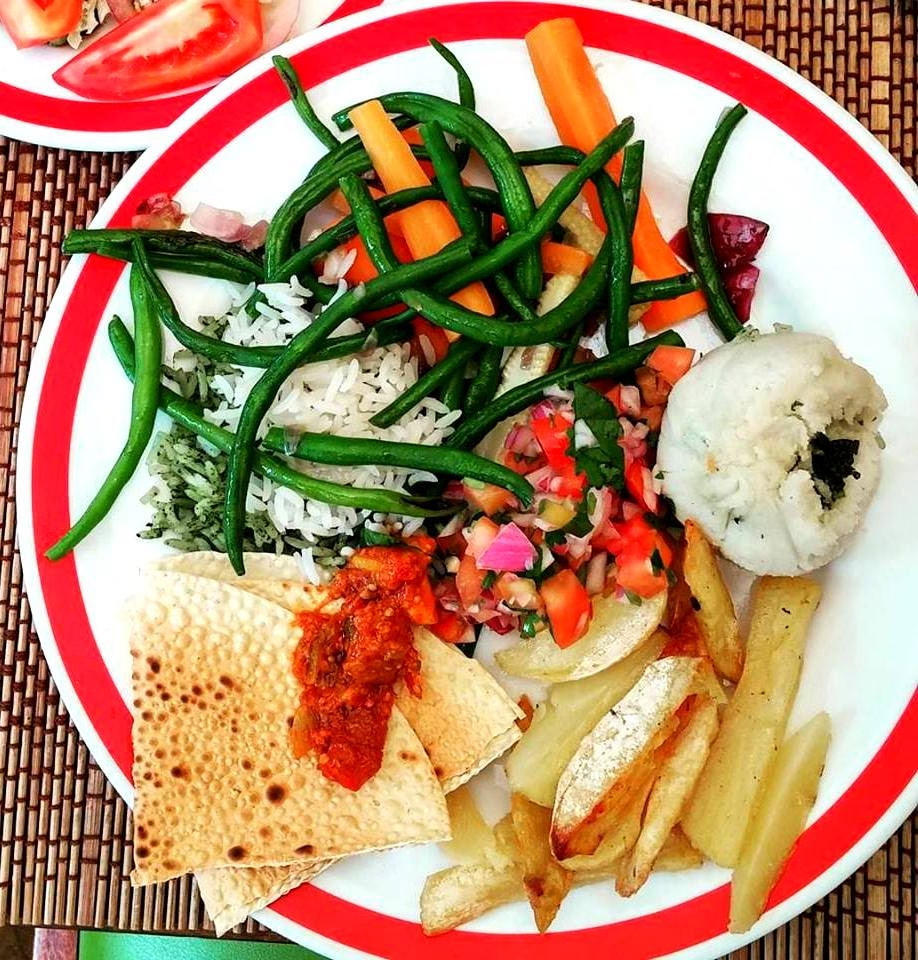
African cuisine offers many vegetarian-friendly options. In East Africa, try sukuma wiki, a nutritious dish made from collard greens, or githeri, a mix of beans and maize. Chapati served with vegetables or legumes provides a filling meal. In Central and Southern Africa, matoke, made from steamed plantains, or chakalaka, a spicy vegetable relish, offers flavorful alternatives. Sampling these dishes allows vegetarians to enjoy authentic local flavors while learning about regional food traditions.
Dining Safely on Safari
Cooked meals are safer than raw salads in remote locations. Always drink filtered or bottled water. Communicate clearly with lodge staff to avoid hidden animal products in your meals. Following these precautions keeps you healthy and ensures a pleasant dining experience.

Planning and Flexibility
Coordinate with lodges to arrange breakfast, packed lunches, and dinner. Seasonal changes may affect the availability of certain vegetables or grains. Work with chefs and staff to create creative dishes using local ingredients. Flexibility allows you to enjoy new flavors while ensuring your meals meet your dietary needs.
Conclusion
Vegetarians can fully enjoy an African safari with preparation, planning, and openness to local dishes. Plant-based travelers can experience wildlife, landscapes, and cultural encounters while maintaining their diet. A vegetarian safari becomes a memorable culinary and adventurous journey in Africa.