
The Role of Porters in Gorilla Trekking – The Heart of Gorilla Trekking
Porters in gorilla trekking. Gorilla trekking is one of Africa’s most breathtaking adventures. Every year, thousands of travelers head to the misty mountains of Uganda, Rwanda, and DR Congo to meet the endangered mountain gorillas. But behind every successful trek, there’s an unsung hero—the porter.
Porters are not just helpers. They are the heart of the gorilla trekking experience.
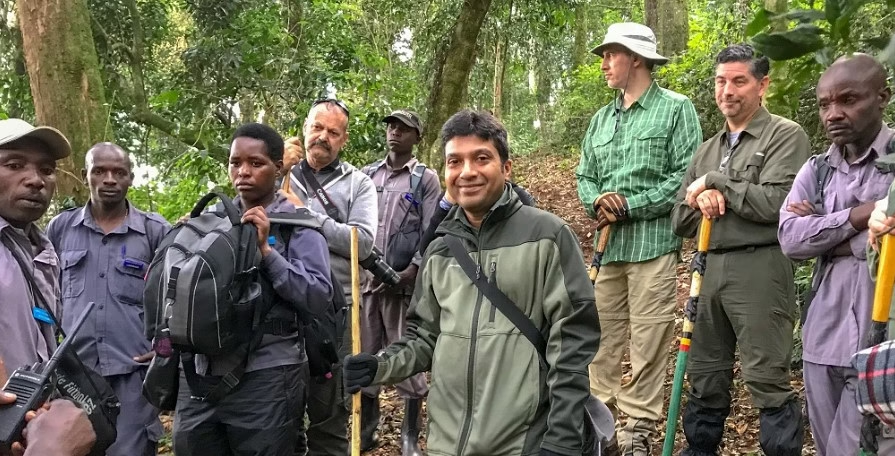
Who Are Porters?
Porters are local of all gender who assist tourists during gorilla treks. Most live near protected areas like Bwindi Impenetrable National Park or Volcanoes National Park. Many are former poachers or unemployed youth who now earn a living by supporting conservation tourism.
They carry backpacks, help with rough trails, and offer encouragement on the steep climbs. Some even lend a strong hand when trekkers need physical support. Without porters, many visitors would struggle to reach the gorilla families.
Why Porters Matter
Porters play several key roles during your trek. They:
- Carry gear such as water, jackets, and cameras.
- Support old or tired trekkers, especially on muddy, hilly trails.
- Help navigate the forest terrain, often using machetes and instinct.
- Assist during slippery or rainy conditions when the trails become hard to walk.
- Offer moral support and friendly conversation, easing the trek’s difficulty.
For many visitors, the porter becomes a trusted companion during a once-in-a-lifetime experience.
Economic Impact
Hiring a porter directly supports local livelihoods. Most porters earn around $15 to $20 per trek—more with tips. This income helps them feed their families, pay school fees, and improve their quality of life.
In places like Bwindi, porters often belong to local cooperatives that ensure fair work conditions and benefits. Gorilla tourism, thanks in part to porters, has turned former poaching communities into champions of conservation.
By hiring a porter, you help reduce unemployment, discourage illegal hunting, and support sustainable tourism.
Conservation Through Empowerment
When local people benefit from wildlife, they work to protect it. That’s the heart of community-based conservation. Porters not only help tourists—they also become defenders of the very gorillas you trek to see.
They understand the forest, the animals, and the risks. Many educate their peers about the value of tourism and wildlife protection. Some later become rangers, guides, or conservation leaders.
Porters help build a future where both communities and gorillas thrive.
Should You Hire a Porter?
Yes—even if you feel strong and fit, hire a porter. It’s not a sign of weakness. It’s a chance to give back. The trail may become harder than expected, especially in high altitudes and thick forests. A porter ensures safety, comfort, and peace of mind.
Most importantly, your decision supports conservation and changes lives in the process.
Plan Your Trek Responsibly
When you book your gorilla permit, plan to hire a porter too. Pack light, carry cash for tips, and treat your porter with respect. Ask questions and listen to their stories. You’ll find they are more than helpers—they are your partners in one of Africa’s greatest adventures.