The Niassa Carnivore Project’s Fight for African Wildlife in Mozambique
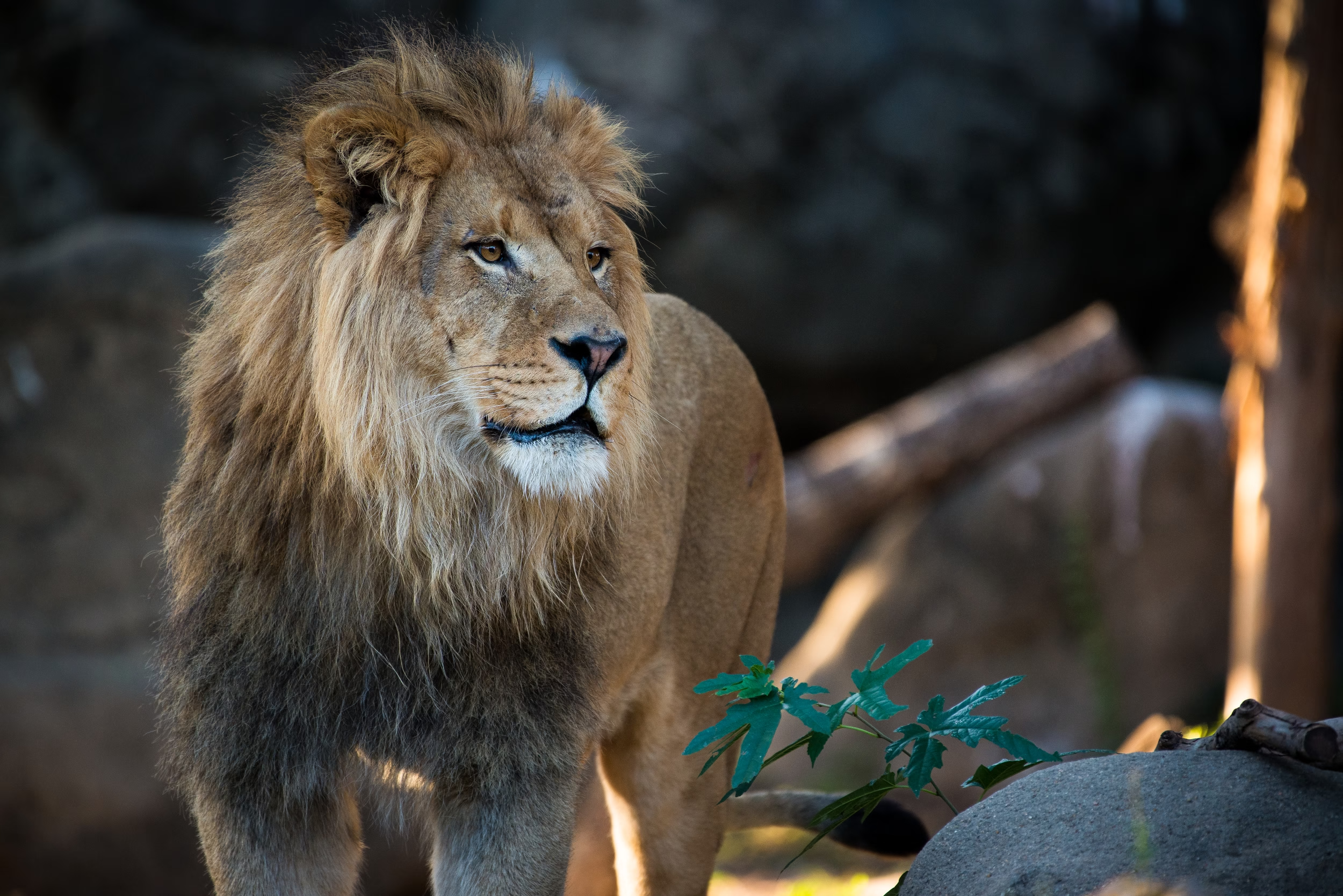
The Niassa Carnivore Project (NCP) in Mozambique works tirelessly to protect Africa’s top predators. Located in the Niassa Reserve, one of Africa’s largest protected areas, the project focuses on lions, leopards, and African wild dogs. These species face threats from poaching, habitat loss, and human-wildlife conflict.
The NCP combines scientific research, conservation strategies, and community engagement. Its mission is to safeguard carnivore populations while supporting local livelihoods, ensuring a sustainable balance between wildlife and people.
Research and Conservation Efforts
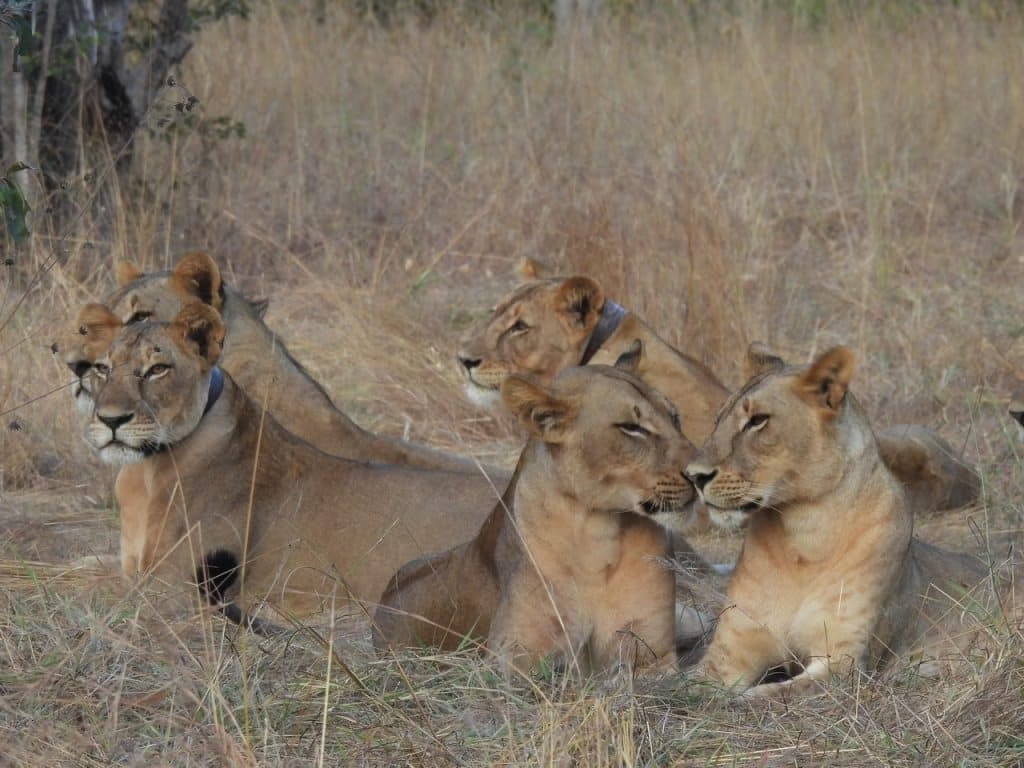
The NCP monitors predator populations using camera traps, GPS collars, and field observations. Data collected helps scientists understand carnivore behavior, habitat use, and interactions with prey species. These insights guide conservation strategies and inform park management decisions.
Anti-poaching initiatives are another key focus. Rangers patrol remote areas to prevent illegal hunting, while the project collaborates with local communities to reduce conflict and raise awareness about the ecological importance of carnivores.
Community Engagement
Niassa Carnivore Project works closely with local communities to create solutions that protect both wildlife and human livelihoods. Programs include educational workshops, sustainable agriculture initiatives, and eco-tourism opportunities. By providing alternative income sources and raising awareness, the project reduces poaching pressure and encourages local participation in conservation.
Community involvement is crucial for long-term success. Villagers who understand the ecological and economic benefits of protecting predators become active partners, rather than adversaries, in conservation efforts.
Safari and Volunteer Opportunities
Visitors and volunteers can participate in research, anti-poaching patrols, and community projects. These programs provide firsthand experience in wildlife conservation while contributing to meaningful initiatives. Safari trips in the Niassa Reserve offer a chance to see lions, leopards, wild dogs, elephants, and other wildlife in a largely untouched wilderness.
Eco-tourism and volunteer involvement create sustainable support for the project, helping fund research, equipment, and local community projects. Visitors gain a deeper understanding of Africa’s predator dynamics and the challenges of conserving large carnivores.
Challenges and Achievements
The Niassa Carnivore Project faces challenges, including limited funding, human-wildlife conflict, and illegal hunting. Despite these obstacles, it has achieved significant successes. Predator populations are monitored and increasingly protected, anti-poaching strategies have reduced illegal activities, and local communities have become active partners in conservation.
These successes highlight the importance of combining science, protection, and education to secure Africa’s wildlife for future generations.
Conclusion
The Niassa Carnivore Project stands as a vital force in Africa’s conservation landscape. By protecting lions, leopards, and wild dogs, engaging communities, and promoting research, it ensures that Mozambique’s wildlife thrives. Visitors, volunteers, and conservationists alike can support the project while experiencing one of Africa’s most pristine wilderness areas.