
The Majestic Black-Maned Lions of the Kalahari
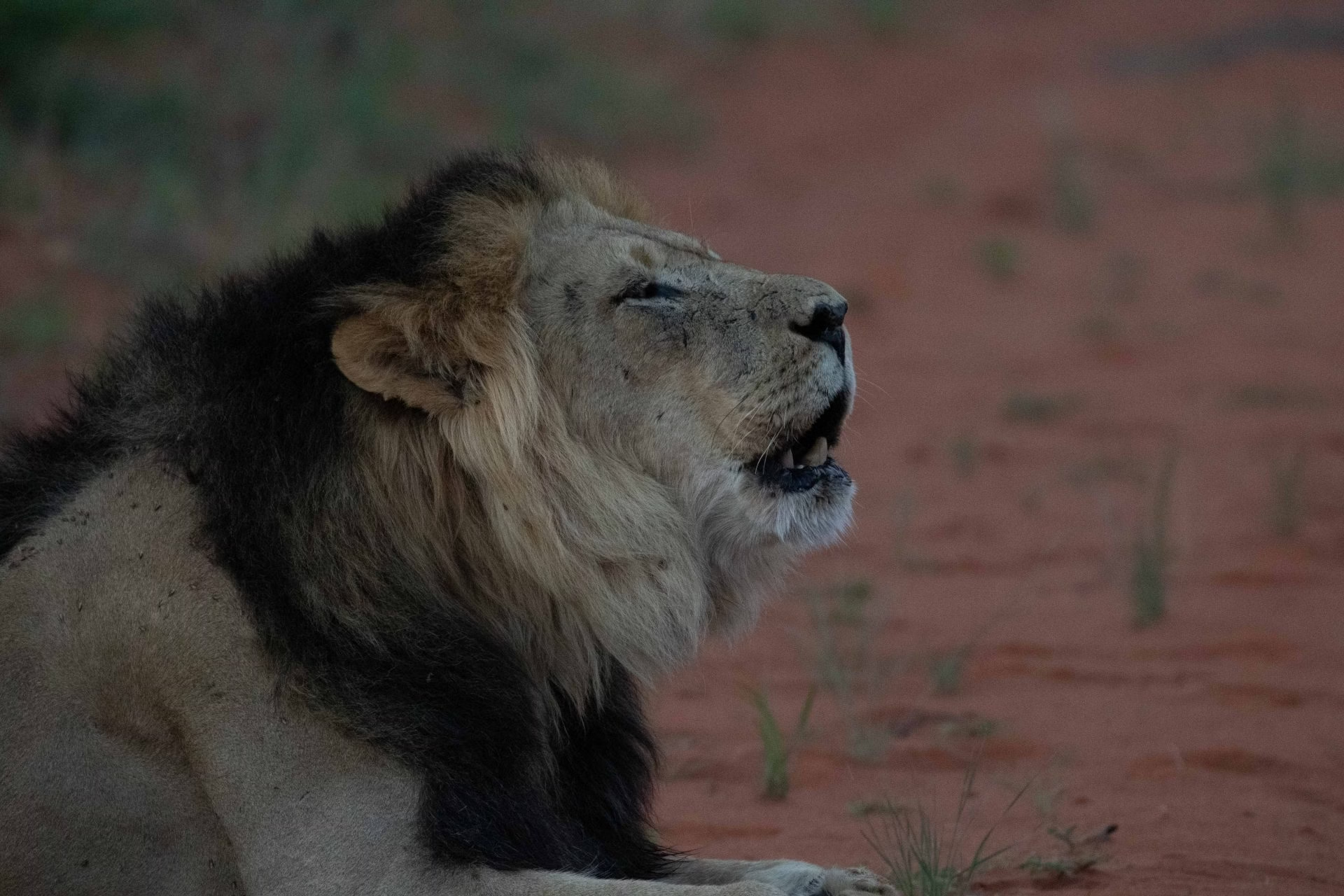
The Kalahari Desert is not just a place of sand and solitude—it is home to one of Africa’s most striking and powerful big cats: the black-maned lion. These lions are not a separate species, but rather a unique population of Panthera leo that have adapted to the arid conditions of the Kalahari ecosystem. Their dark manes, large size, and powerful builds set them apart as one of the most iconic predators of the African wilderness.
-
What Makes the Kalahari Lions Unique?
The black-maned lions of the Kalahari are visually distinct. Their males grow thick, dark manes that may extend over their shoulders and under their bellies. These dark manes are more than just dramatic—they signal genetic fitness, high testosterone levels, and increased dominance.
Kalahari lions are also slightly leaner and longer-legged than their savanna counterparts, an adaptation that helps them travel long distances in search of prey and water. Their coats tend to be paler, blending well with the desert sands.
-
Where Do They Live?
These lions roam across the Kalahari Desert, which spans parts of Botswana, Namibia, and South Africa. They are especially prominent in:
- Kgalagadi Transfrontier Park (Botswana/South Africa)
- Central Kalahari Game Reserve (Botswana)
- Nxai Pan and Makgadikgadi Pans National Parks (Botswana)
These regions offer vast open plains, dry riverbeds, and thorny acacia woodlands—ideal habitats for these adaptable predators.
-
Life in a Harsh Landscape
Survival in the Kalahari requires exceptional resilience. Water sources are scarce, and prey is not always abundant. Kalahari lions often rely on large prey like gemsbok (oryx), red hartebeest, wildebeest, and springbok. When needed, they can go without water for days by drawing moisture from the blood and organs of their kills.
Unlike in denser ecosystems, Kalahari lions must travel greater distances between hunts. They use dry riverbeds like the Auob and Nossob Rivers as hunting corridors and rest under the limited shade of trees and dunes during the day.
-
Social Behavior and Roaring Power
Like other lions, black-maned Kalahari lions live in prides, but due to the sparse environment, their group sizes are usually smaller—often just a few females and one or two dominant males.
Their deep, resonant roars can carry for over five miles, making it easier to communicate across the open desert. These roars help maintain territory and warn rival males to stay away.
-
The Significance of the Black Mane
The black mane is not just a visual marvel—it carries real evolutionary benefits:
- Thermoregulation: Surprisingly, the dark mane may help lions cope with cool desert nights by retaining body heat.
- Mating Advantage: Female lions show a preference for males with darker, fuller manes.
- Dominance Indicator: Other males often avoid fighting a black-maned lion due to the signal of strength and maturity.
-
Conservation Status
The Kalahari lion population is relatively stable within protected areas like Kgalagadi and the Central Kalahari Game Reserve. However, threats still exist:
- Habitat encroachment from human expansion and cattle farming
- Conflict with livestock owners
- Climate pressure, affecting prey availability
Conservation programs aim to protect migration corridors, limit human-wildlife conflict, and monitor lion numbers through GPS tracking and field studies.
-
Where to See Them on Safari
To witness these majestic lions in the wild, consider these safari locations:
- Kgalagadi Transfrontier Park: Best known for sightings of black-maned lions lounging on dunes or patrolling riverbeds.
- Central Kalahari Game Reserve: Remote and wild, with excellent opportunities for predator sightings.
- Deception Valley: A key area for lion activity during the green season when herbivores gather in large numbers.
Safari guides often track lions by looking for fresh paw prints and listening for nighttime roars that echo across the dunes.
Plan Your Safari to See Black-Maned Lions
Seeing a Kalahari black-maned lion in the wild is a rare and unforgettable experience. Their regal appearance, muscular power, and striking coloration make them one of the most sought-after sightings on an African safari.
Plan your trip during the dry winter months (May–September) for the best visibility and predator activity. Book guided safaris through reputable operators who work closely with conservation authorities and local communities.