
The Ethics of Animal Encounters in Uganda
Ethical animal encounters in Uganda. Uganda is known for its rich biodiversity—from mountain gorillas in misty forests to lions on the open savannah. For many travelers, getting close to these wild animals is the highlight of their trip. But how close is too close?
As wildlife tourism grows, so does the need to consider the ethics of animal encounters. How we interact with animals matters. It affects not only their survival but also the future of Uganda’s natural heritage.
Understanding Responsible Wildlife Tourism
Responsible tourism puts the well-being of animals first. It avoids stress, injury, or disruption to wildlife. It also respects natural behavior and habitats.
In Uganda, this approach is vital. The country is home to endangered species like mountain gorillas, chimpanzees, shoebill storks, and rhinos. Protecting these animals means managing how tourists interact with them.
Not every animal experience is ethical. Some may seem harmless or exciting but can harm animals in ways we don’t see.
Gorilla Trekking: A Model of Ethical Practice
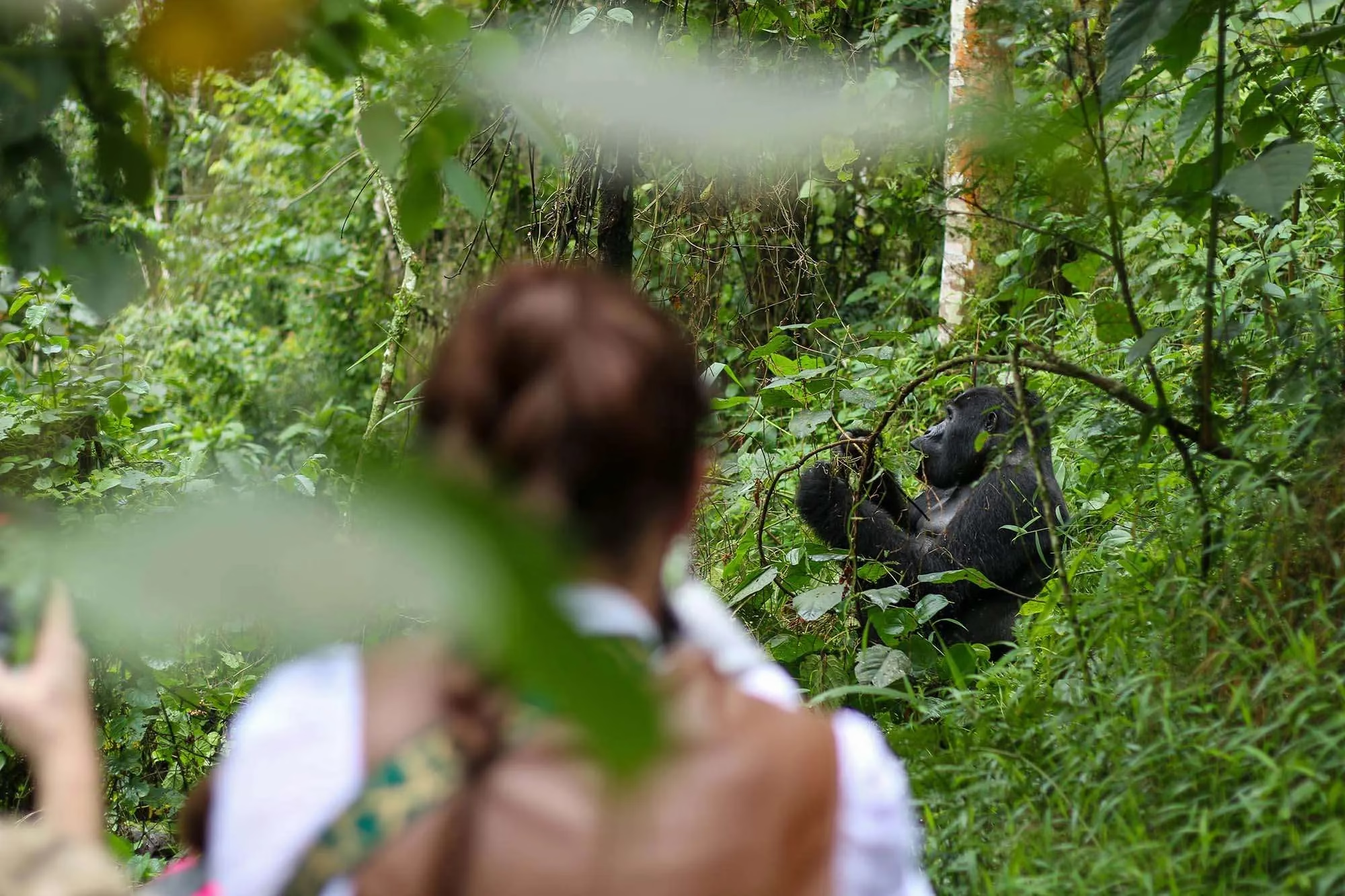
Uganda’s gorilla trekking program is one of the best examples of ethical wildlife tourism in Africa. Strict rules control how many people visit each gorilla family per day. Visitors must keep a 7-meter distance, avoid direct contact, and stay for only one hour.
If you’re sick, you can’t trek. This protects gorillas from catching human diseases, which can be deadly to them.
The program is managed by the Uganda Wildlife Authority (UWA) and funds go directly to conservation, ranger salaries, and local communities. This structure helps gorillas and humans coexist peacefully.
Avoiding Hands-On Animal Encounters
In some places, tourists are offered experiences like feeding baby animals, walking with predators, or touching reptiles. While these may seem fun or harmless, they often put animals under stress or remove them from the wild.
Uganda promotes non-contact wildlife viewing. This approach respects the natural instincts of animals and avoids encouraging captivity or human dependence.
Even well-meaning travelers can support harmful practices without knowing it. If an animal is unusually tame, always ask why.
Visiting Sanctuaries and Rescue Centers
Ethical sanctuaries in Uganda give injured or orphaned animals a second chance. For example, the Uganda Wildlife Education Centre (UWEC) in Entebbe cares for rescued lions, chimps, and shoebills. Some were taken from poachers or illegal wildlife trade.
At places like Ziwa Rhino Sanctuary, tourists can track rhinos on foot with trained rangers. These animals live in a semi-wild environment and are being bred for eventual release into the wild.
When visiting any sanctuary, look for signs of good care: space to roam, proper food, limited handling, and knowledgeable staff.
Watching Without Disturbing
Whether you’re on a game drive in Queen Elizabeth National Park or tracking chimpanzees in Kibale Forest, how you behave matters.
Turn off your engine when watching wildlife. Stay quiet. Don’t play music or try to get too close. Avoid littering or feeding animals — it changes their behavior and puts them at risk.
Bring binoculars and a zoom lens so you can observe from a distance. Always follow the ranger’s instructions. Their job is to protect both you and the animals.
Supporting Local Conservation
Ethical animal encounters don’t end in the field. You can also support conservation through your choices:
- Book tours with responsible operators who follow park rules.
- Stay in eco-lodges that reduce environmental impact.
- Avoid buying wildlife products like animal skins, feathers, or ivory.
- Share your experience in a way that educates others—not just for likes.
Every choice you make helps shape the future of Uganda’s wildlife.
Plan Your Safari
Uganda offers wild encounters that are both thrilling and ethical. Watching a gorilla family from a safe distance or listening to a chimp call deep in the forest is unforgettable — and even more meaningful when done responsibly.
Respect the animals. Respect their home. Let your journey support conservation, not just consumption.