
The El Molo People – Kenya’s Smallest and Rarest Community
Kenya is home to dozens of unique ethnic communities, but few are as rare and fascinating as the El Molo group. Nestled along the southeastern shores of Lake Turkana, the El Molo are Kenya’s smallest ethnic group, with only a few hundred members remaining. Despite their small numbers, their culture, traditions, and connection to the lake offer travelers a unique window into Kenya’s diverse heritage.
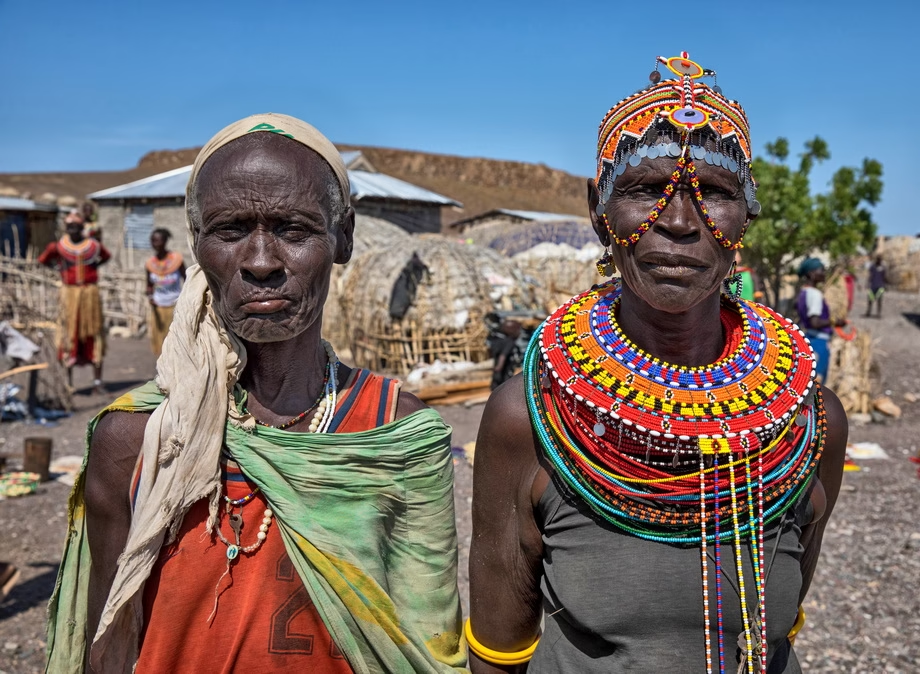
Origins and History
The El Molo are believed to be of Cushitic origin, migrating from Ethiopia centuries ago. Settling along Lake Turkana, they adapted to the harsh semi-desert environment, relying almost entirely on fishing for survival. Unlike neighboring pastoralist groups, the El Molo’s livelihood depended on the lake, shaping their customs, diet, and social organization.
Over time, intermarriage with other groups of people, especially the Samburu, has influenced their culture and language. Today, the El Molo face a risk of cultural extinction, making their preservation a priority for anthropologists and travelers alike.
Daily Life and Livelihood
Fishing is central to El Molo life. They catch Nile perch, tilapia, and sometimes crocodiles, using traditional methods passed down through generations. Huts made of reeds and palm leaves line the lakeshore, forming small, tight-knit villages.
Despite their modest means, the El Molo are resilient. Their daily routines revolve around fishing, repairing nets, cooking, and communal gatherings. Visitors may witness elders sharing stories or teaching younger generations about survival techniques.
Cultural Practices and Traditions
Music, dance, and storytelling remain vital for preserving El Molo identity. Traditional songs often recount lake legends, ancestral tales, and historical events. While some hunting rituals have faded, the El Molo still maintain unique ceremonies, including rites of passage and community gatherings.
Interaction with neighboring communities has introduced new elements into their culture, creating a blend of old and modern practices. Respecting these traditions is key when visiting—always ask permission before photographing people or joining ceremonies.
Challenges and Preservation
The El Molo face significant challenges, including population decline, assimilation, and environmental pressures on Lake Turkana. Overfishing, drought, and climate change threaten their primary food source. Language loss and intermarriage have diluted their distinct cultural identity.
Several initiatives aim to document and preserve El Molo traditions, language, and crafts. Visitors can support these efforts by engaging in ethical cultural tours, buying locally made crafts, and learning about their heritage firsthand.
Visiting the El Molo
Travelers to Lake Turkana can experience El Molo culture through guided tours, fishing demonstrations, and cultural exchanges. These visits offer insight into their unique way of life while promoting sustainable tourism.
Tip: Visiting with a knowledgeable local guide ensures respect for the community and a deeper understanding of their customs.
Conclusion
The El Molo people may be small in number, but their cultural legacy is immense. Visiting them offers a rare opportunity to witness resilience, tradition, and the intimate connection between people and nature. For travelers seeking authentic cultural encounters in Kenya, the El Molo are a living treasure worth exploring.