
Shoulder Season: The Sweet Spot for African Safaris
If you want great wildlife experiences without the crowds or peak-season prices, the shoulder season may be perfect for you. Falling between the high and low seasons, it offers travelers a beautiful balance—good weather, fewer tourists, and more value for money.
Whether you’re visiting East Africa for gorilla trekking or heading to Southern Africa for game drives, shoulder season provides a more relaxed and rewarding safari.
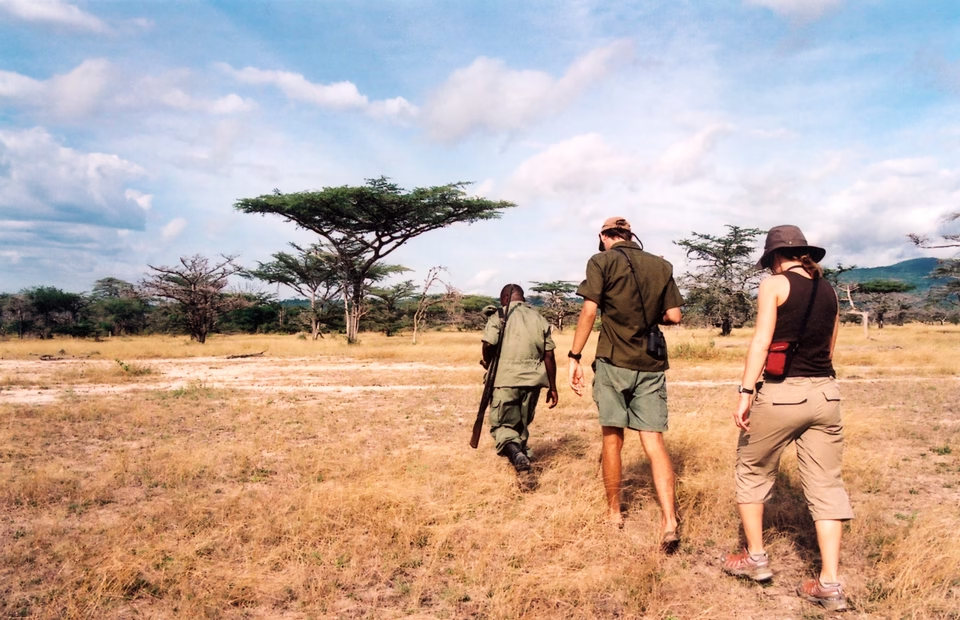
What Is Shoulder Season?
The shoulder season is the period just before or after peak season. In most African safari destinations, this falls between:
- March to early June (end of rainy season)
- Mid-October to early December (start of short rains)
These months transition between wet and dry seasons, offering decent weather and fewer visitors.
Why Travel During Shoulder Season?
- Fewer tourists in lodges and parks
- Lower prices on accommodation and tours
- Lush green landscapes, perfect for photography
- Good wildlife visibility as animals begin to move around again
- Flexible availability for last-minute planners
Though rain may still be present, it’s usually short and refreshing—not enough to ruin your safari.
Shoulder Season by Country
-
Rwanda & Uganda
- Best Shoulder Months: March–May & October–November
- Great for gorilla trekking with permit discounts
- Fewer crowds in Volcanoes, Bwindi, and Kibale
- Some trails may be muddy, but gorillas are easier to reach
-
Kenya & Tanzania
- Best Shoulder Months: March and November
- Excellent birdwatching after short rains
- Fewer safari vehicles in popular parks like Maasai Mara or Serengeti
- Good chance to catch migrating herds or early calving
-
Botswana
- Best Shoulder Months: April–May and November
- Start or end of flood season in Okavango Delta
- Less competition for campsites or lodge rooms
- Wildlife slowly concentrates, especially around water sources
-
South Africa
- Best Shoulder Months: April–May and September–October
- Kruger offers great game viewing before the summer heat
- Whale watching begins along the coast
- Ideal for combining safari and Cape Town sightseeing
Drawbacks to Consider
- Rain can affect some remote roads or walking safaris
- Photography may be tricky under overcast skies
- Wildlife visibility is not as concentrated as in peak dry season
- Some camps may operate limited services or maintenance during this time
However, for most travelers, these are minor trade-offs compared to the peace, price, and scenery offered.
Who Should Travel in Shoulder Season?
- Budget-conscious travelers looking for value
- Photographers seeking green landscapes and unique light
- Families and couples wanting quieter safari experiences
- Repeat safari-goers who prefer slower, immersive travel
The shoulder season is Africa’s best-kept secret. It offers rewarding safari experiences with fewer crowds and better deals. Whether you’re trekking gorillas or chasing sunsets over the savannah, these months provide a more personal and peaceful journey.
Call to Action
Want to experience Africa when it’s lush, quiet, and more affordable?
Gecko Safaris Africa offers tailor-made trips during shoulder season with expert planning and local insight.
👉 Start planning your off-peak safari adventure today!